Books & Literature
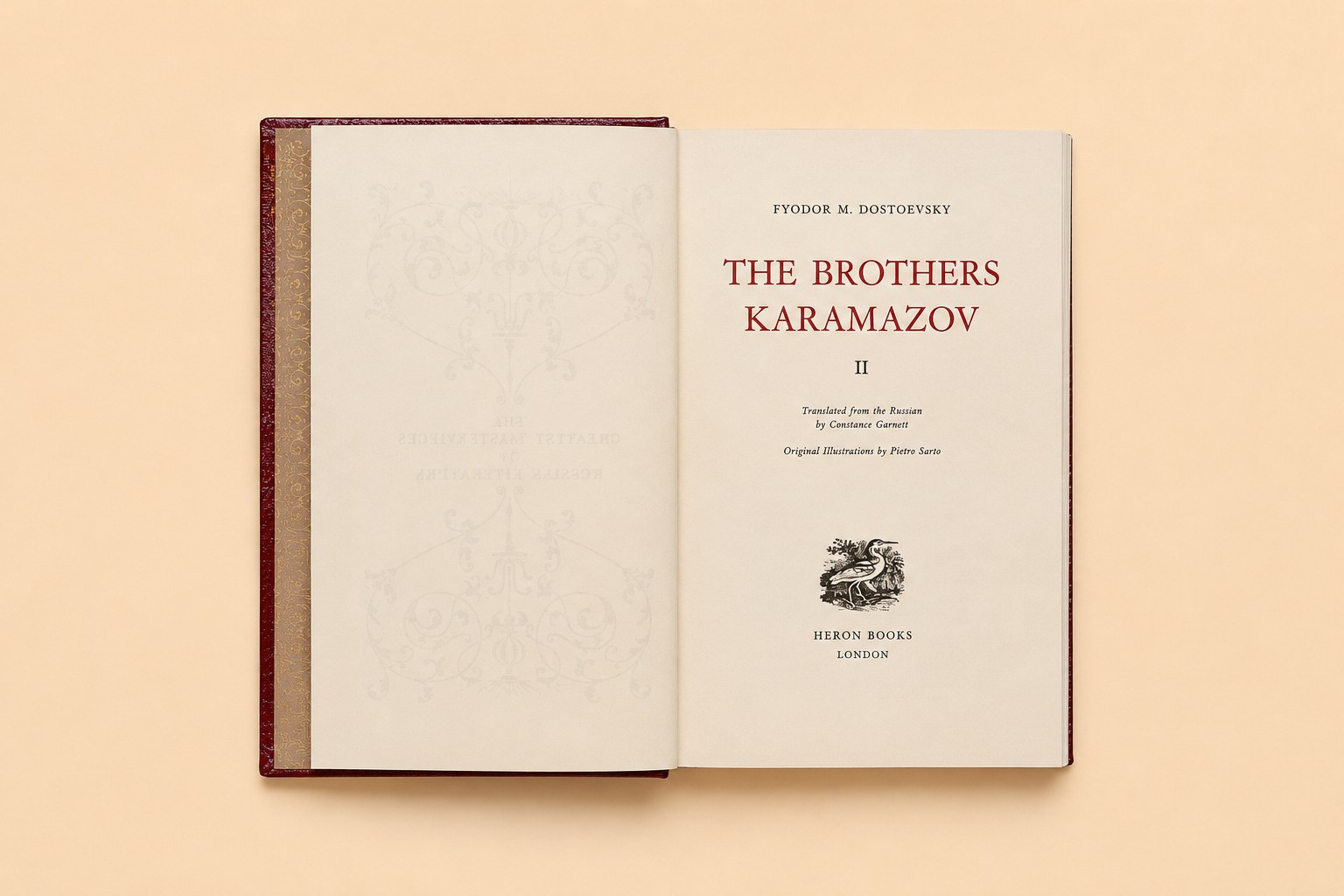
The Brothers Karamazov, Vol. II
The trial, the devil, and Dostoevsky's last written word of hope: the concluding volume of his final masterpiece in the 1968 Heron gilt edition, completing the set with Volume I.
A Private Archive of Antiques & Historical Objects
Books & Literature
The trial, the devil, and Dostoevsky's last written word of hope: the concluding volume of his final masterpiece in the 1968 Heron gilt edition, completing the set with Volume I.
This is the volume where everything breaks. Old Karamazov is dead, the wrong brother stands accused, and Dostoevsky stages, in Book XII, what is widely held to be the greatest courtroom drama in world literature: a trial in which the evidence all points one way, the truth lies another, and the jury of "our peasants" must decide. Dostoevsky knew courts; he had stood before one himself and been sentenced to death before a last-minute reprieve sent him to Siberia instead. He saved that knowledge for forty years and spent it here.
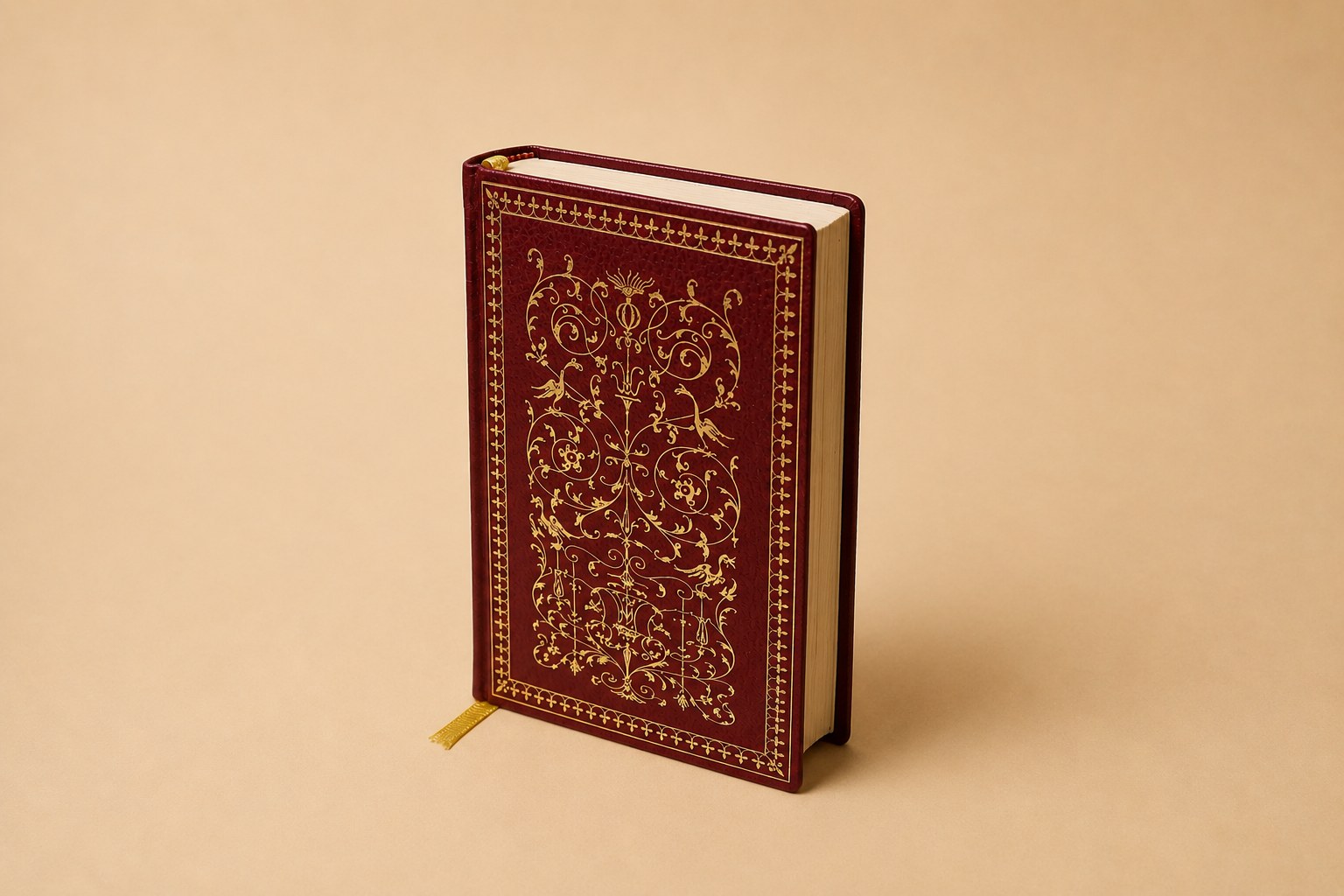
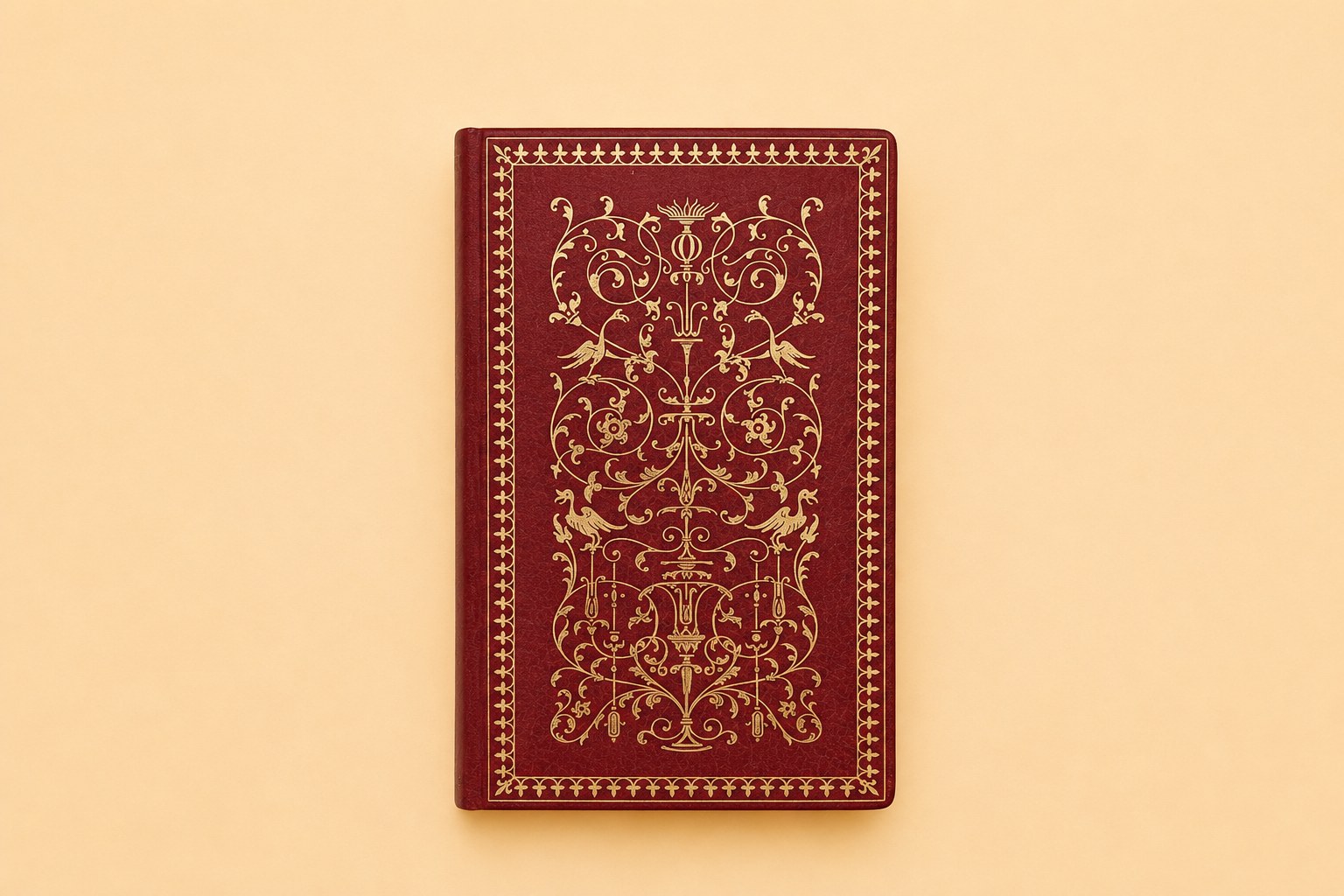
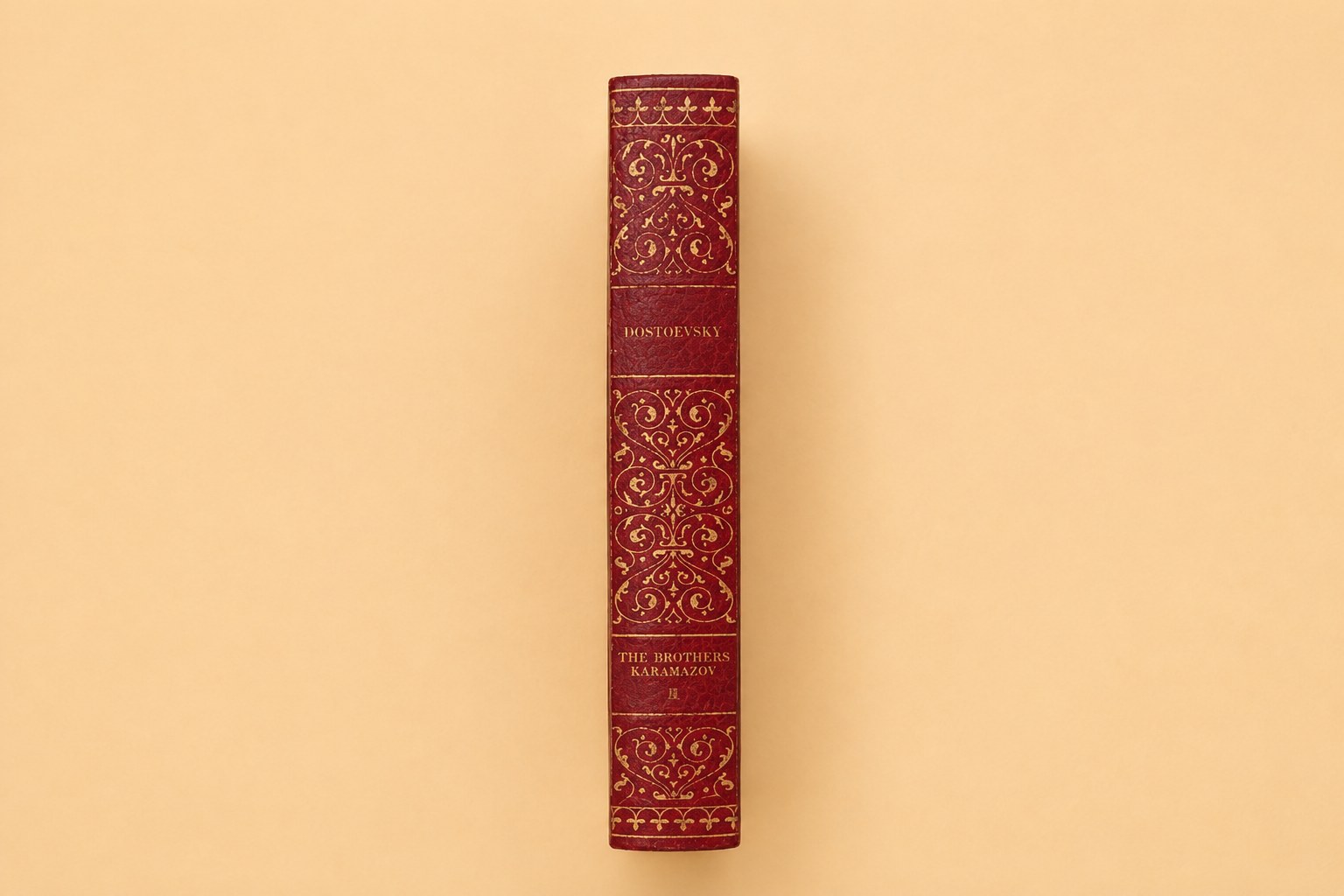
This is Volume II of The Brothers Karamazov in the 1968 Heron Books edition: The Greatest Masterpieces of Russian Literature series, red leatherette with gilt-blocked boards, tooled spine, and built-in yellow ribbon bookmark, produced in Switzerland by Edito-Service of Geneva under licence from William Heinemann. It contains Parts III and IV (Books VII–XII) and the Epilogue: Dmitri's frenzied night at Mokroe, the arrest, Ivan's three conversations with Smerdyakov and his hallucinated devil, the trial, and the famous closing speech at the stone. Illustrations are by Pietro Sarto; the translation is Constance Garnett's of 1912, the version through which the English-speaking world first read the novel.
Dostoevsky completed the novel in November 1880 and was dead by February 1881; this volume's closing pages are, in effect, his final published words as a novelist. The Epilogue's speech to the boys at Ilyusha's stone, ending in shouts of "Hurrah for Karamazov!", is as close to a last testament as literature provides. Garnett's translation carried that testament into English; her seventy-volume life's work, accomplished against failing eyesight, made her the single most important conduit of Russian literature into the Anglophone world.
Book XII is the novel's machinery of justice grinding against its theology: the prosecutor constructs a perfectly logical case that is perfectly wrong, the defence attorney dazzles and cynically misses the point, and the verdict turns on everything except the truth. Generations of lawyers and novelists have studied the trial as both warning and masterclass. The 1968 Heron series packaged this, and the rest of the Russian canon, for ordinary late-sixties households: Switzerland's subscription-library industry meeting the Cold War West's fascination with the Russian soul, one gilt spine at a time.
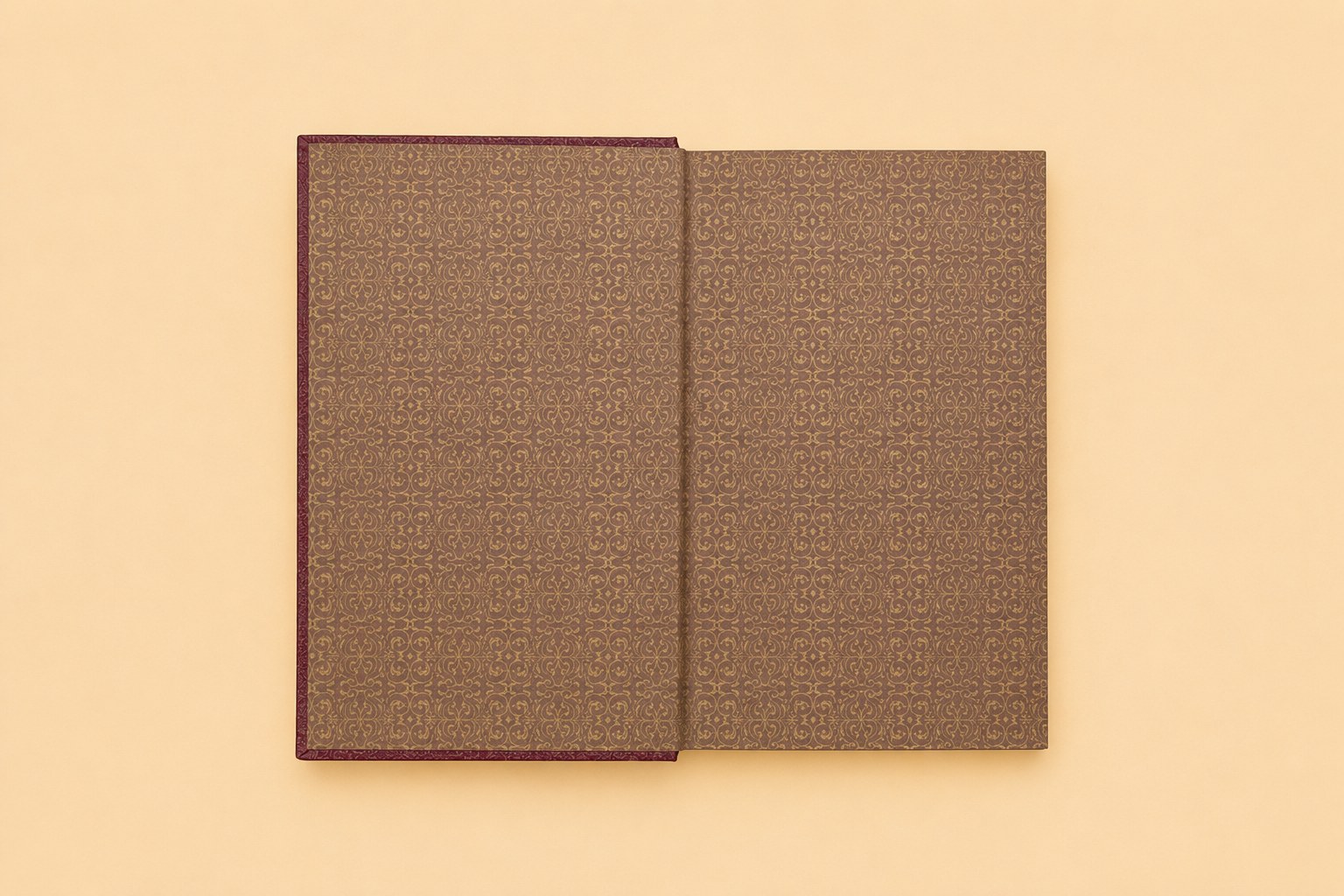
Excellent condition throughout: spine unbroken, no foxing, clean internally, yellow ribbon intact. The endpaper carries a partial pencil price mark consistent with the £1.25 notation in Volume I; the two volumes evidently travelled together through the same bookseller's hands, decimal currency dating that stage of the journey to after February 1971. Together with Volume I, this completes the novel as a set in this collection.
Volume II completes Dostoevsky's final masterpiece and his career: trial, judgment, and a closing word of hope delivered to children at a funeral. As a physical pair, these Heron volumes also document something gentler: a mid-century publishing dream that every home could shelve the greatest books in uniform gilt, ribbon-marked for the slow readers the novels deserve. The set survived intact. The dream, mostly, did too.
Provenance
Partial pencil price mark matching the £1.25 in Volume I; the pair evidently travelled together (post-February 1971 decimal pricing). Edition self-identifying: Heron Books 1968.
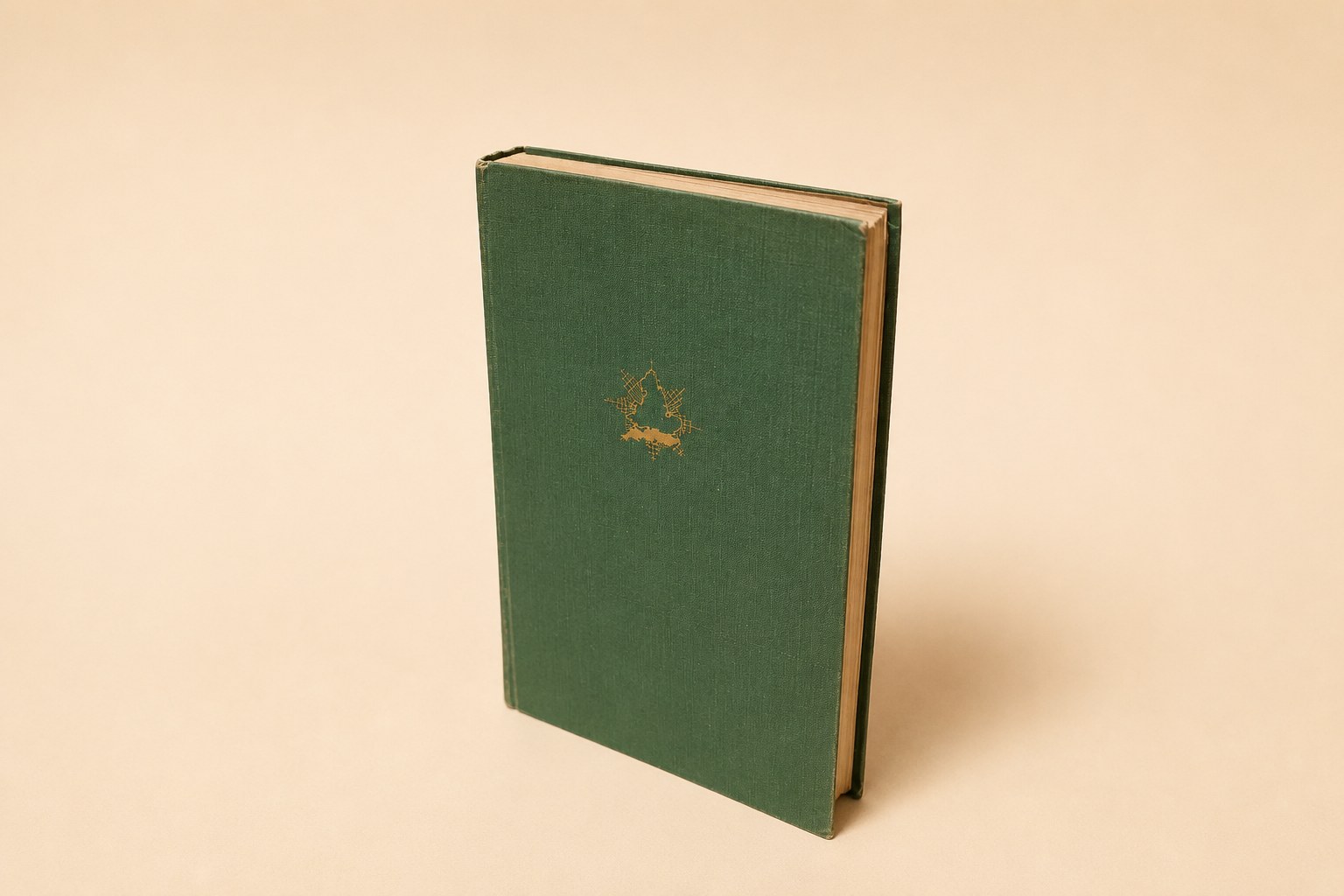
England South
Forty years of sketch-books opened in the year England needed them most: the first volume of Sydney R. Jones's illustrated journey through the southern counties, from London to the very end of Cornwall (1948).
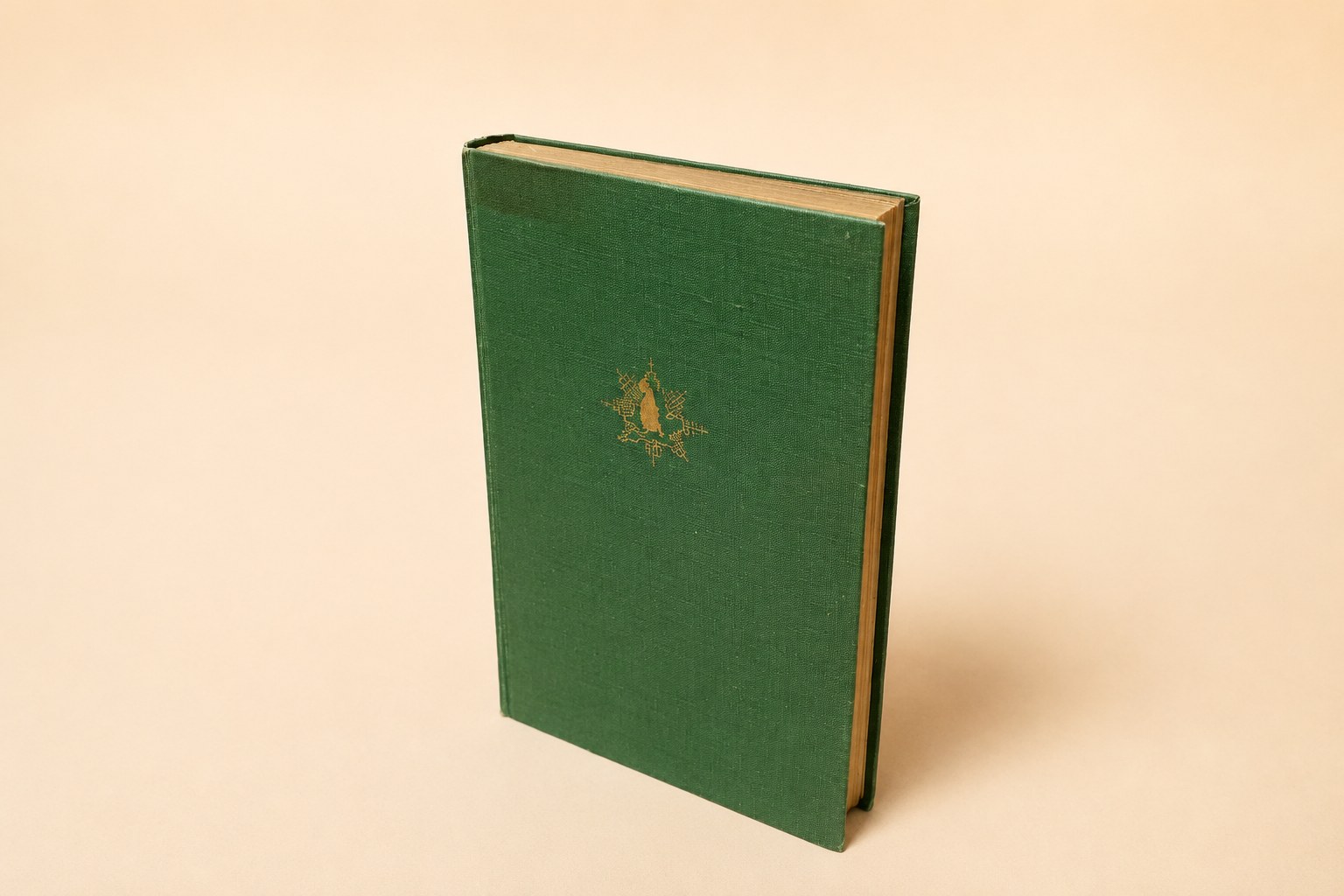
England West
The trilogy's longest journey: Thames to Hadrian's Wall through Cotswold wool churches, Shakespeare country, the Marches, and the industrial North. The richest of the three volumes in architectural range (1950).
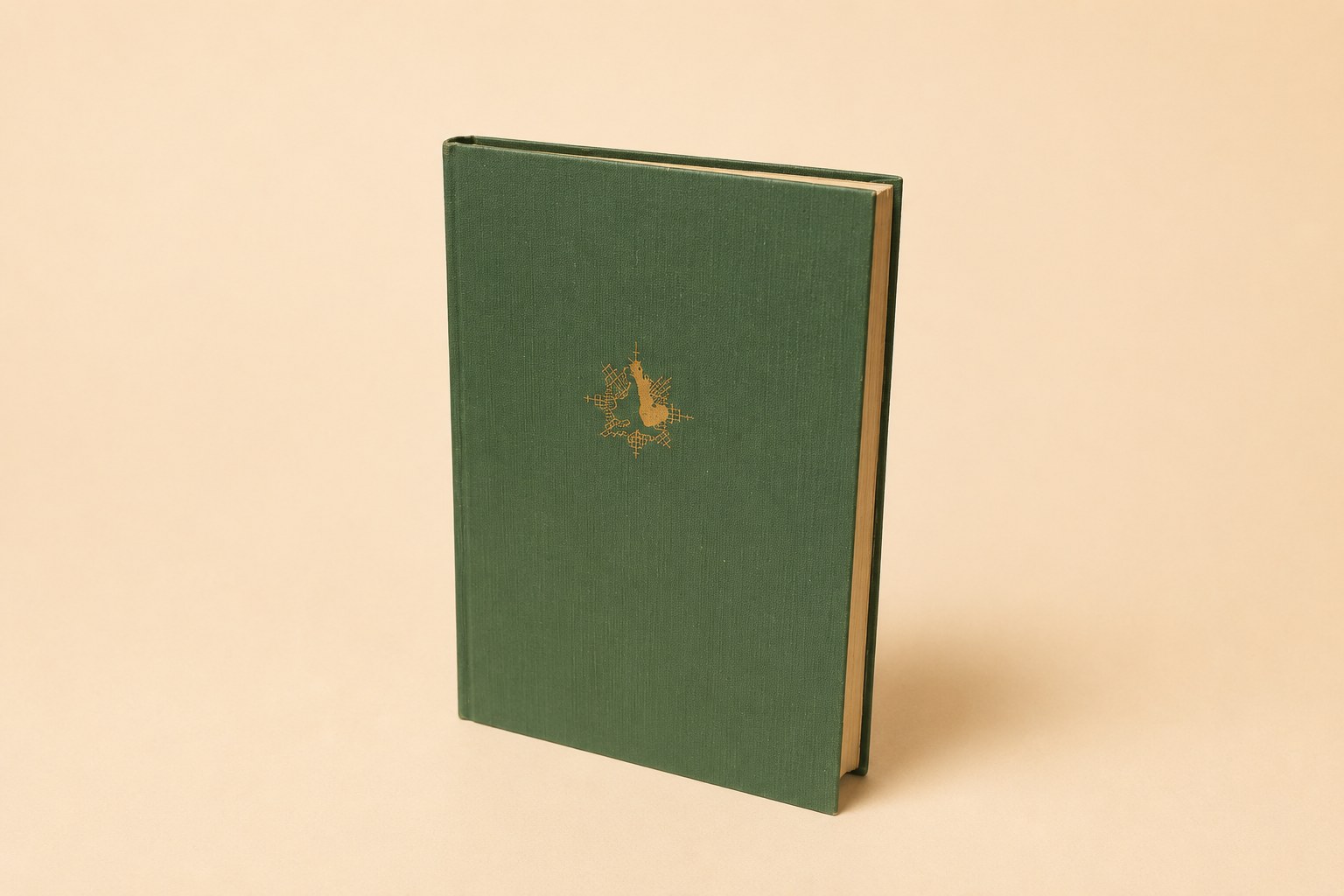
England East
The farewell volume: Jones closes his life's work with a journey from the Thames to the Scottish border, saluting Durham coalminers alongside Northumbrian castles, under an epigraph about ashes and graves (1954).