Books & Literature
The Canterbury Tales
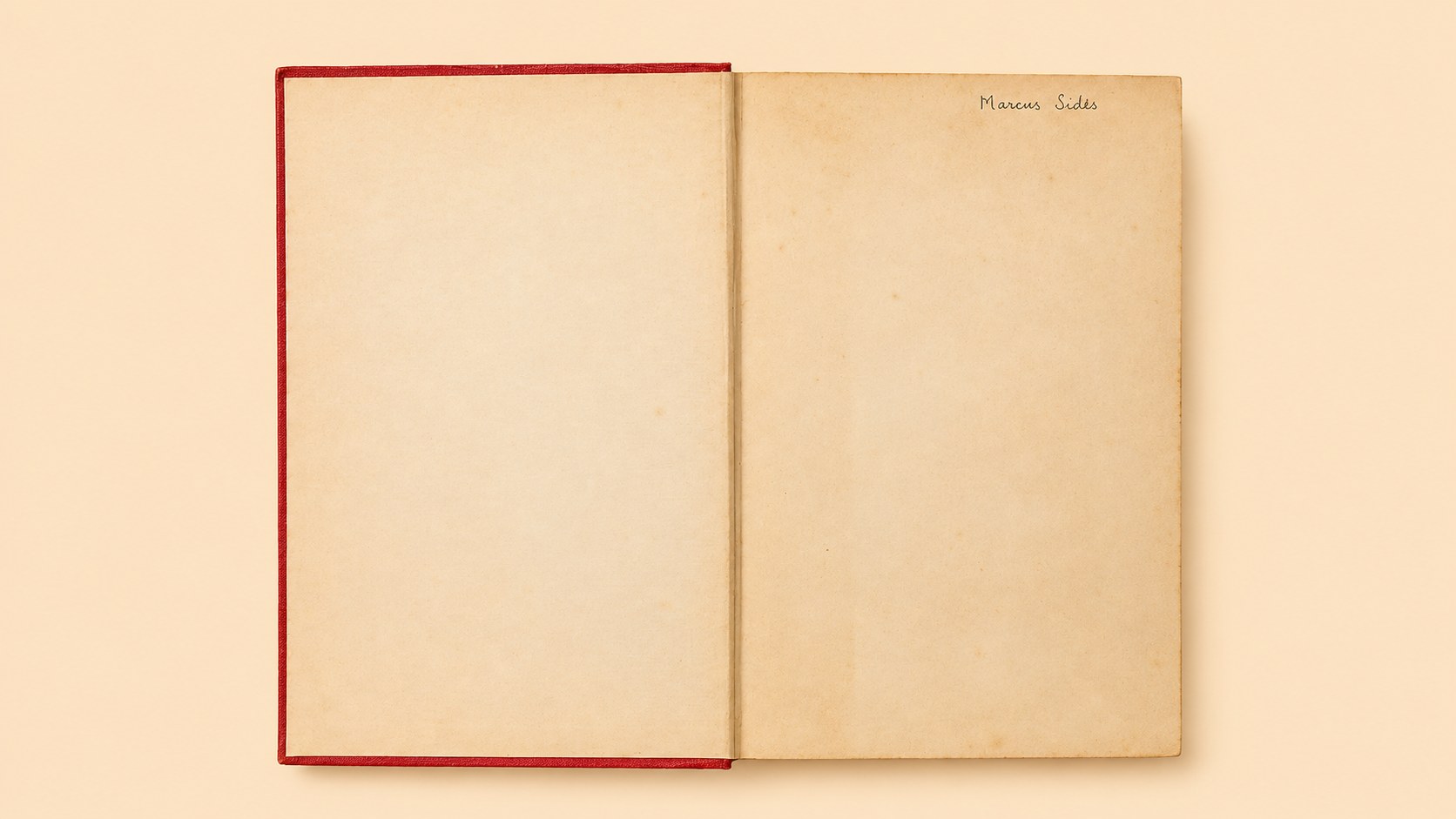
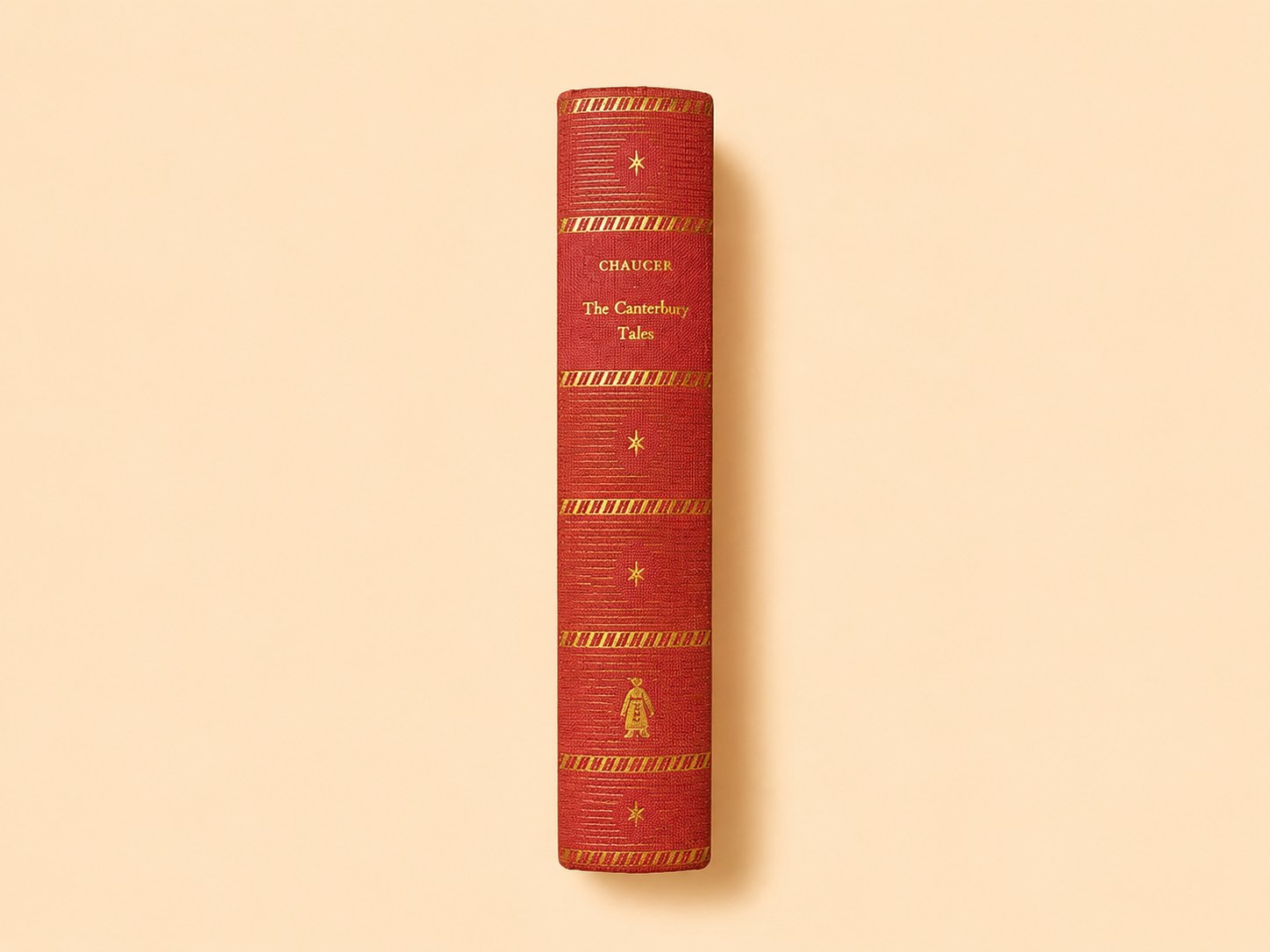
Nevill Coghill's landmark modern-verse Canterbury Tales — Penguin Classics L22, the 1952 reprint of the 1951 translation that later became a West End musical — signed by an owner, 'Marion Sills'.
A Private Archive of Antiques & Historical Objects
Books & Literature
Nevill Coghill's landmark modern-verse Canterbury Tales — Penguin Classics L22, the 1952 reprint of the 1951 translation that later became a West End musical — signed by an owner, 'Marion Sills'.
This is the book that handed Chaucer back to the ordinary reader. Nevill Coghill's modern-verse rendering of The Canterbury Tales began as readings broadcast on BBC radio just after the war, was published in 1951 as one of the early Penguin Classics, and went on selling by the million. This copy is the 1952 reprint — series number L22 — and it carries, in pencil on the flyleaf, the name of one of those million readers: Marion Sills.
The title page reads Geoffrey Chaucer: The Canterbury Tales, translated into modern English by Nevill Coghill, published by Penguin Books of Harmondsworth, Middlesex. The series leaf identifies it as The Penguin Classics, edited by E. V. Rieu, L22, under the little upright Penguin colophon; the copyright page records First published 1951, Reprinted 1952, made and printed in Great Britain by William Clowes & Sons of London and Beccles. The front matter is pure mid-century Penguin: a dedication to five friends (among them the theatre historian Glynne Wickham), and two epigraphs on the art of translation — Dryden on translating Chaucer (1700) and Pope's line “And such as Chaucer is, shall Dryden be” (1711). The contents lay out the full pilgrimage, the tales grouped A to I as scholars order them, from the Prologue and the Knight's Tale to the Parson's Tale and Chaucer's Retractions.
Nevill Coghill (1899–1980) was an Oxford English don of rare public reach. A celebrated university stage director — he later directed his former pupil Richard Burton (with Elizabeth Taylor) in Doctor Faustus — and a friend of the Oxford literary circle around C. S. Lewis and Tolkien, he was elected Merton Professor of English Literature at Oxford in 1957. His Chaucer translation was his most popular achievement by far: it made the Tales readable for a general audience without flattening their music, and in 1968 he reworked it with Martin Starkie into the stage musical Canterbury Tales, which ran in the West End into the 1970s. Few academic translations have travelled so far into popular culture.
Penguin Classics was launched in January 1946 by E. V. Rieu, whose plain-prose translation of Homer's Odyssey opened the list and became Penguin's best-selling title for sixteen years. Rieu edited the series until 1964, and his guiding idea — that the great books of the world should be available to everyone in living modern English, cheaply — is exactly what Coghill's Chaucer embodies. To find the Canterbury Tales sitting at L22 in that list is to see a medieval masterpiece absorbed into one of the twentieth century's great democratic publishing projects.
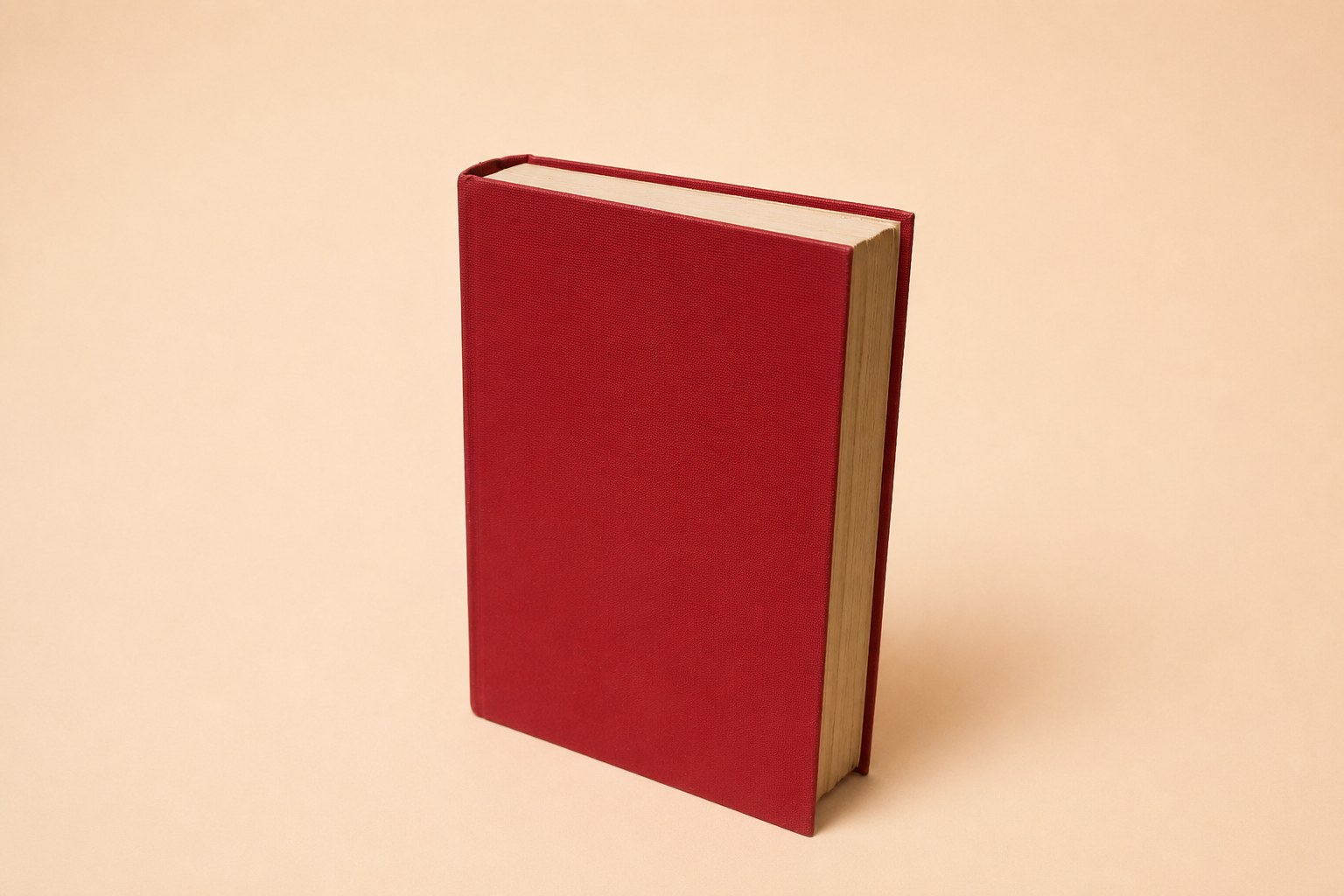
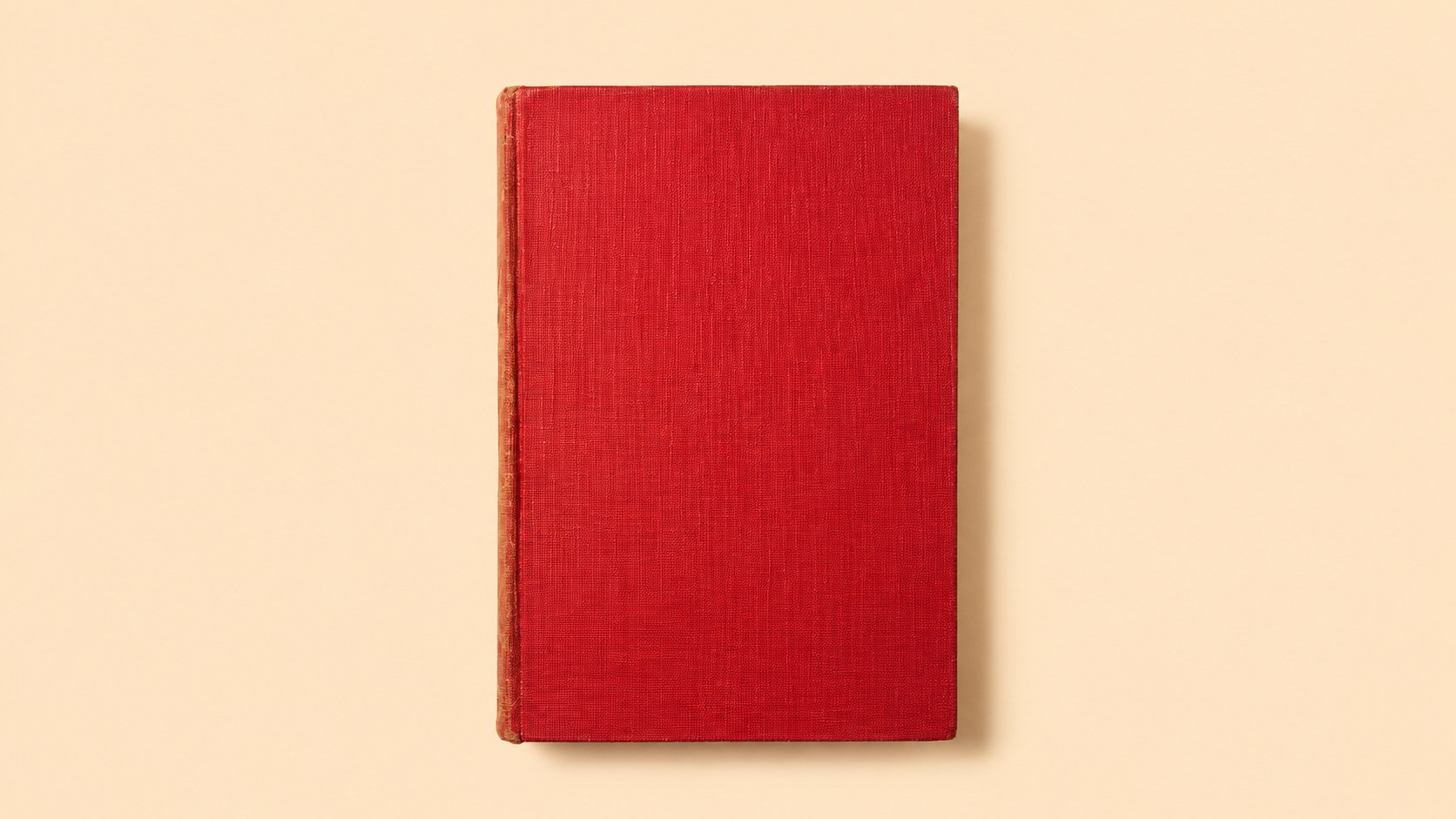
The book is in good condition, the text-block toned with age as mid-century paper tends to be, and the binding sound with a red-stained top edge. One point to confirm: the Penguin Classics were issued chiefly as paperbacks, so this cased/hardback copy is either a publisher's hardback issue or a later binding-up — worth checking against the standard L22 paperback. The chief mark of individuality is the pencilled owner's name, Marion Sills, on the front flyleaf; no other identification has been traced.
The text is anything but rare — that is rather the point. This is a mass-market classic at the moment of its widest reach: the translation, the series, and the price that together carried Chaucer from the medieval manuscript and the university syllabus onto the bedside tables of post-war Britain. As an object it documents how the canon was popularised in the twentieth century, and the small inked name on the flyleaf gives that abstraction a single human owner. It sits naturally beside the collection's other printed milestones of reading for the many rather than the few.
Provenance
The Penguin Classics L22, edited by E. V. Rieu; Penguin Books, Harmondsworth, Middlesex. Coghill's translation first published 1951, this the 1952 reprint (copyright page: 'First published 1951 / Reprinted 1952'; printed by William Clowes & Sons). Pencil ownership name on the front flyleaf: 'Marion Sills' (unidentified). One of a group of 27 books acquired together in February 2026 (same lot as the Robert Bridges Oxford Edition); acquisition cost in the Ledger.
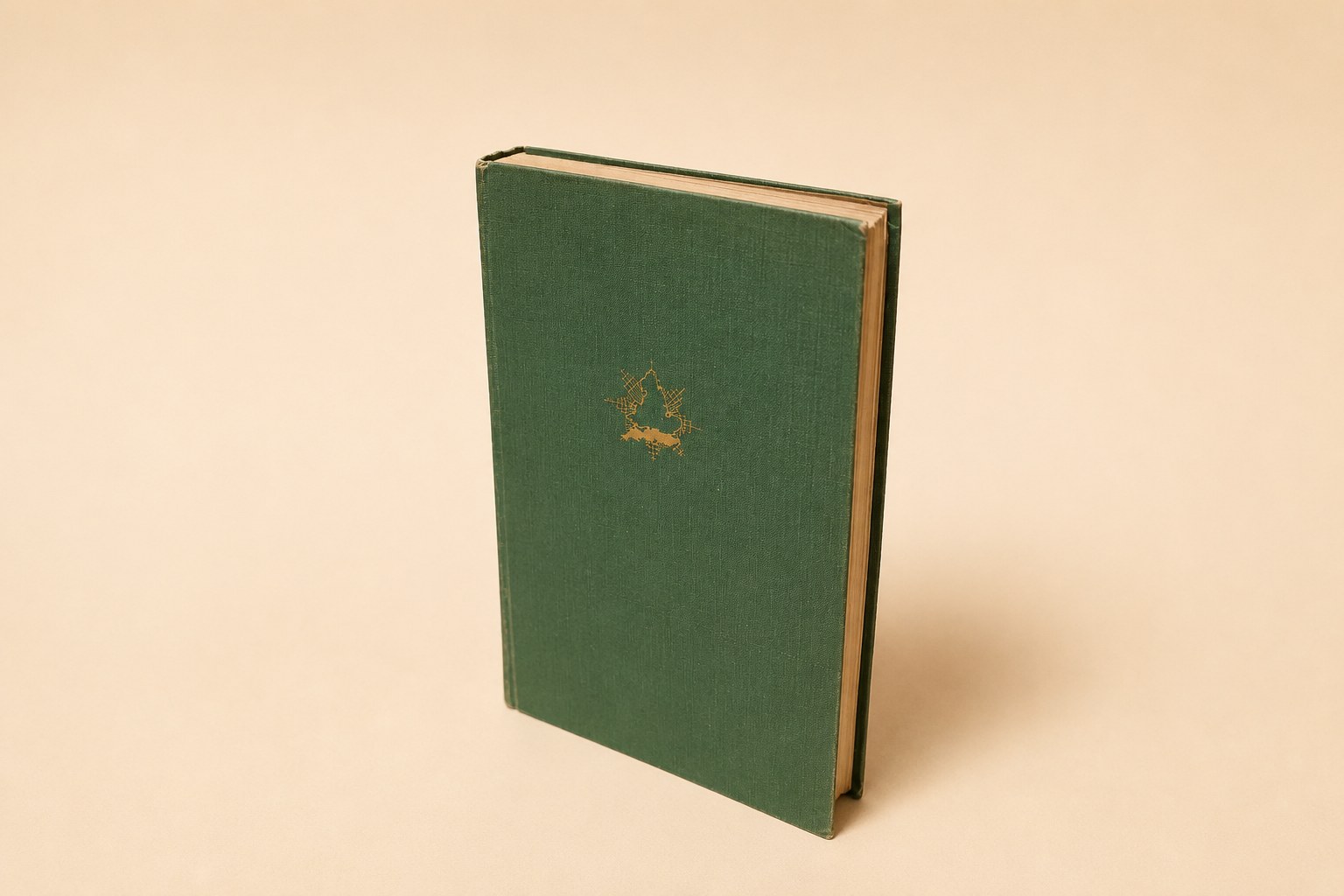
England South
Forty years of sketch-books opened in the year England needed them most: the first volume of Sydney R. Jones's illustrated journey through the southern counties, from London to the very end of Cornwall (1948).
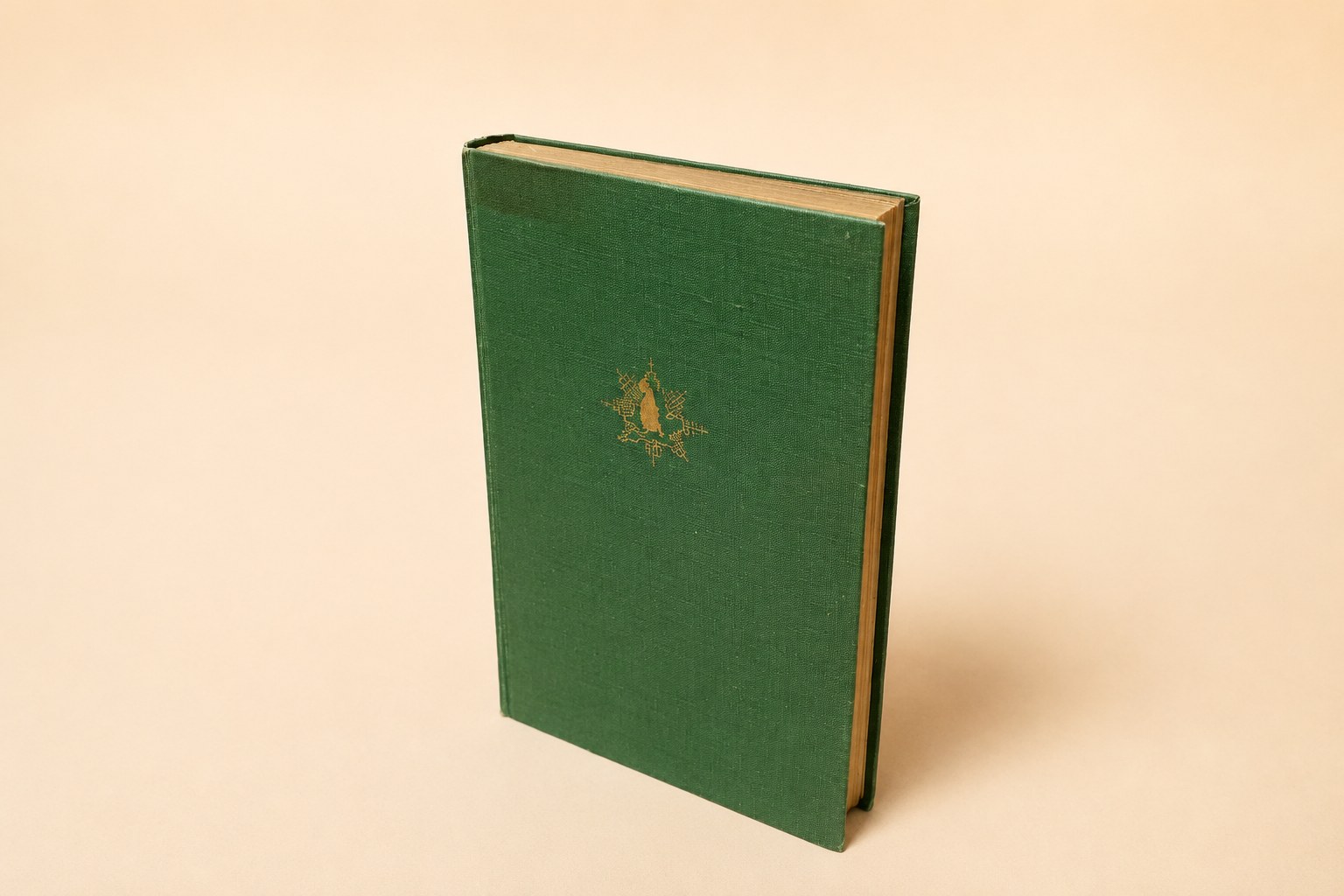
England West
The trilogy's longest journey: Thames to Hadrian's Wall through Cotswold wool churches, Shakespeare country, the Marches, and the industrial North. The richest of the three volumes in architectural range (1950).
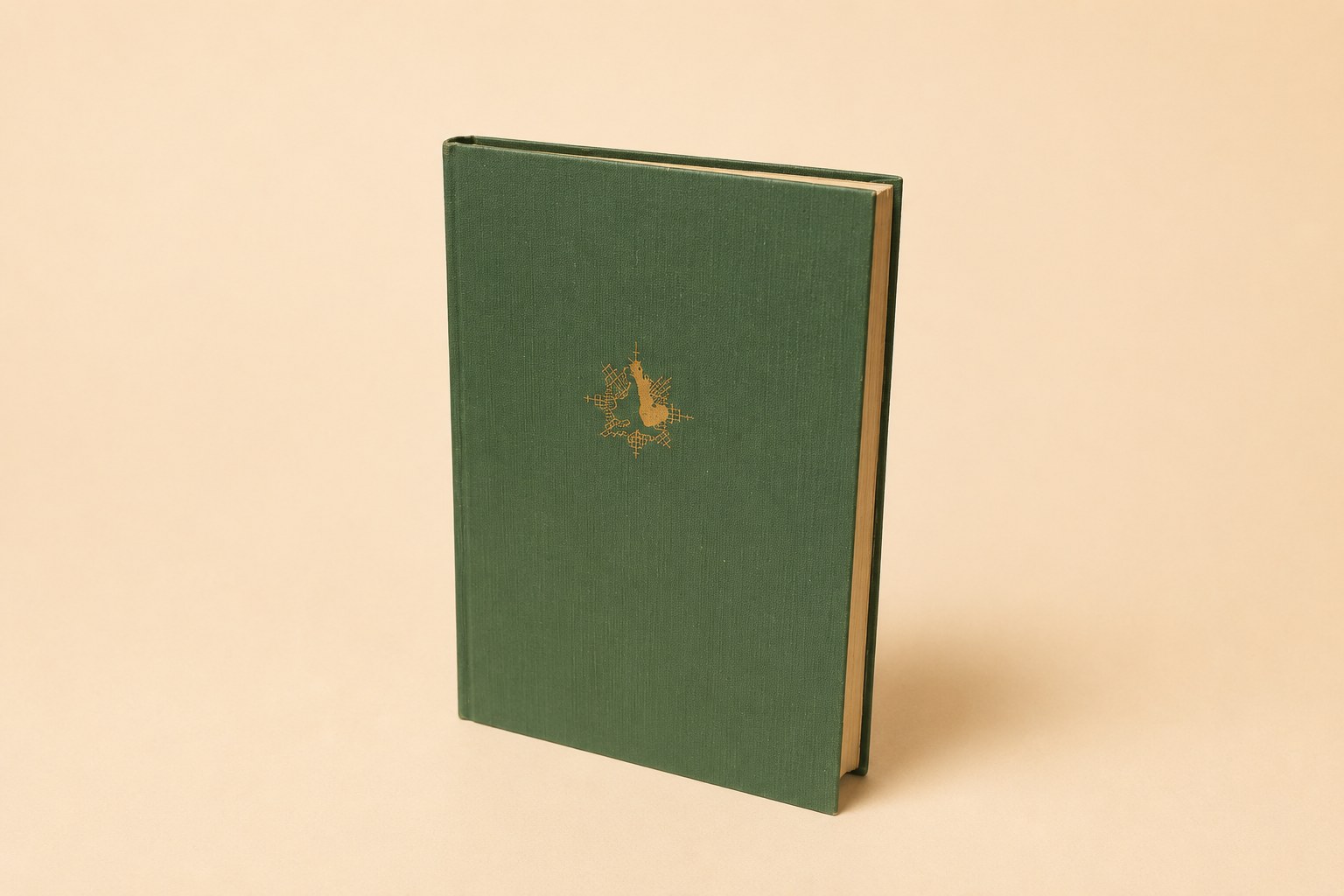
England East
The farewell volume: Jones closes his life's work with a journey from the Thames to the Scottish border, saluting Durham coalminers alongside Northumbrian castles, under an epigraph about ashes and graves (1954).