

Opening
The title is the sales pitch: fifty tales chosen for the single quality that no novelist can manufacture — they are true. Published by Odhams Press in 1936, this omnibus runs from a future Prime Minister to a Victorian circus proprietor to a deposed Afghan king, and it bottles the interwar British appetite for the astonishing-but-real.
The Object
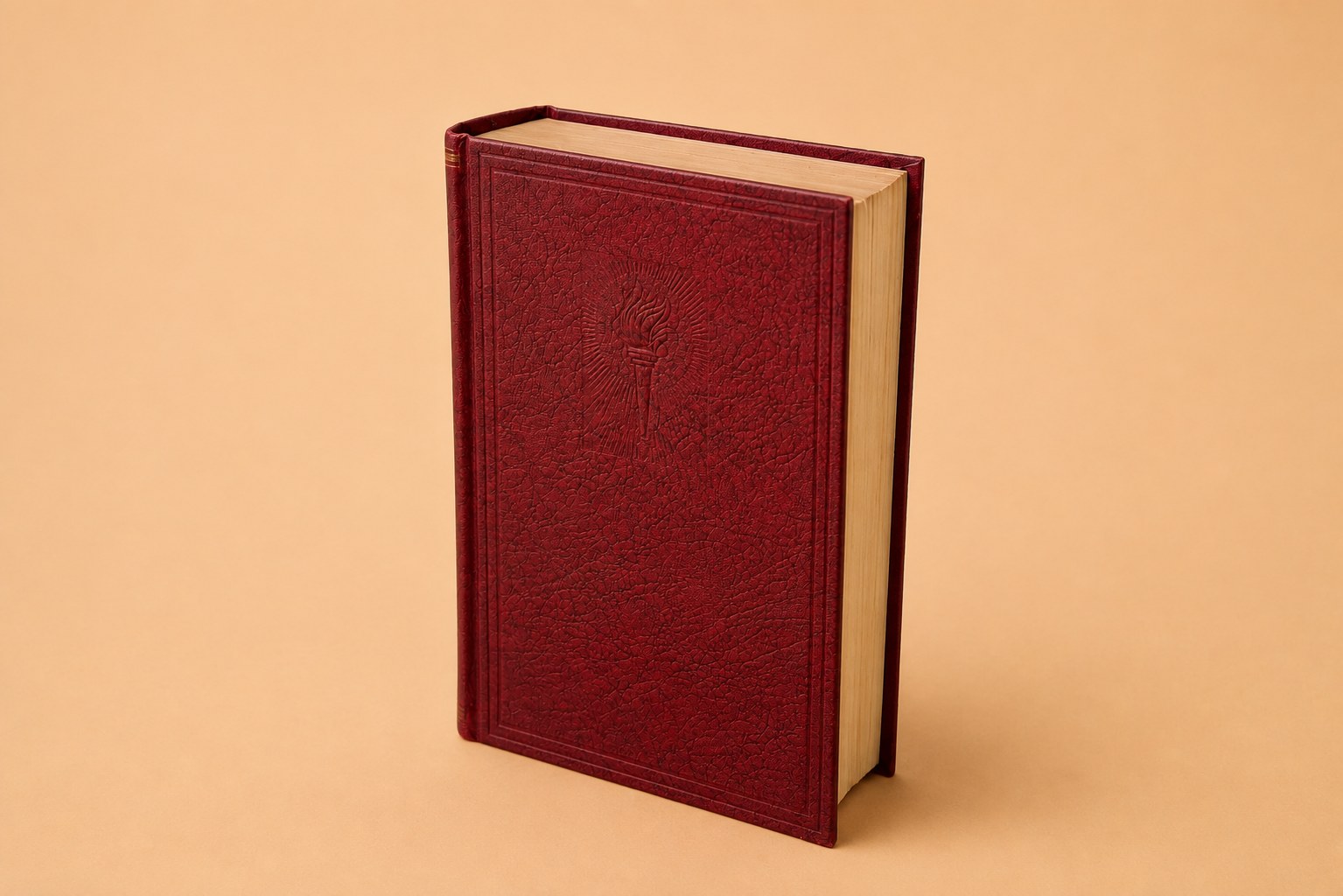
A heavy omnibus volume in the standard livery of the Odhams 'Fifty' series: flexible maroon rexine boards, gilt spine title, and a gilt- and blind-embossed figure on the front cover. The format is identical to its shelf-mates, the Great War and Wild West volumes — a deliberately uniform 'instant library' look.
The Series
Like its companions, this is one of the Odhams 'Fifty' omnibus volumes produced at Long Acre, London WC2, mostly between 1936 and 1938 and sold largely by subscription. Each gathered around fifty stories on a theme into a single fat, affordable, leather-look book aimed squarely at the middlebrow family market that Odhams — publisher of John Bull, the Daily Herald and countless part-works — understood better than almost anyone.
The Contents
The roll-call of contributors is the surprise. Alongside the adventure-writers sit some genuinely eminent names: the Rt. Hon. Winston Churchill (then in his political wilderness years and writing prolifically for the popular press), the King Solomon's Mines novelist H. Rider Haggard, and the crime-writer Mrs Belloc Lowndes. The opener is Twenty-Four Hours in the Foreign Legion by P. C. Wren, author of Beau Geste; other pieces include the memoirs of the Victorian circus king 'Lord' George Sanger taking his revenge on hecklers, an earthquake survival, and the closing The Man Who Snatched a Throne by the former Afghan amir Habibullah. Truth, in this volume, is a broad church.
This Copy
Good condition, the flexible binding firm and the gilt crisp, with light shelf-wear consistent with age. No dated title page — the 1936 first publication is established from bibliographic records rather than from the book, as is normal for the series.
Why It Matters
It is a near-perfect specimen of 1930s middlebrow print culture: a mass publisher monetising the public hunger for true sensation, and — strikingly — doing it with a contents page that could place a sitting-room-magazine adventurer next to a future war-leader. Held beside its Great War and Wild West siblings, it shows the Odhams 'Fifty' machine working a single formula across history, true crime and pulp fiction alike. A small, tangible piece of how Britain read between the wars.