Books & Literature
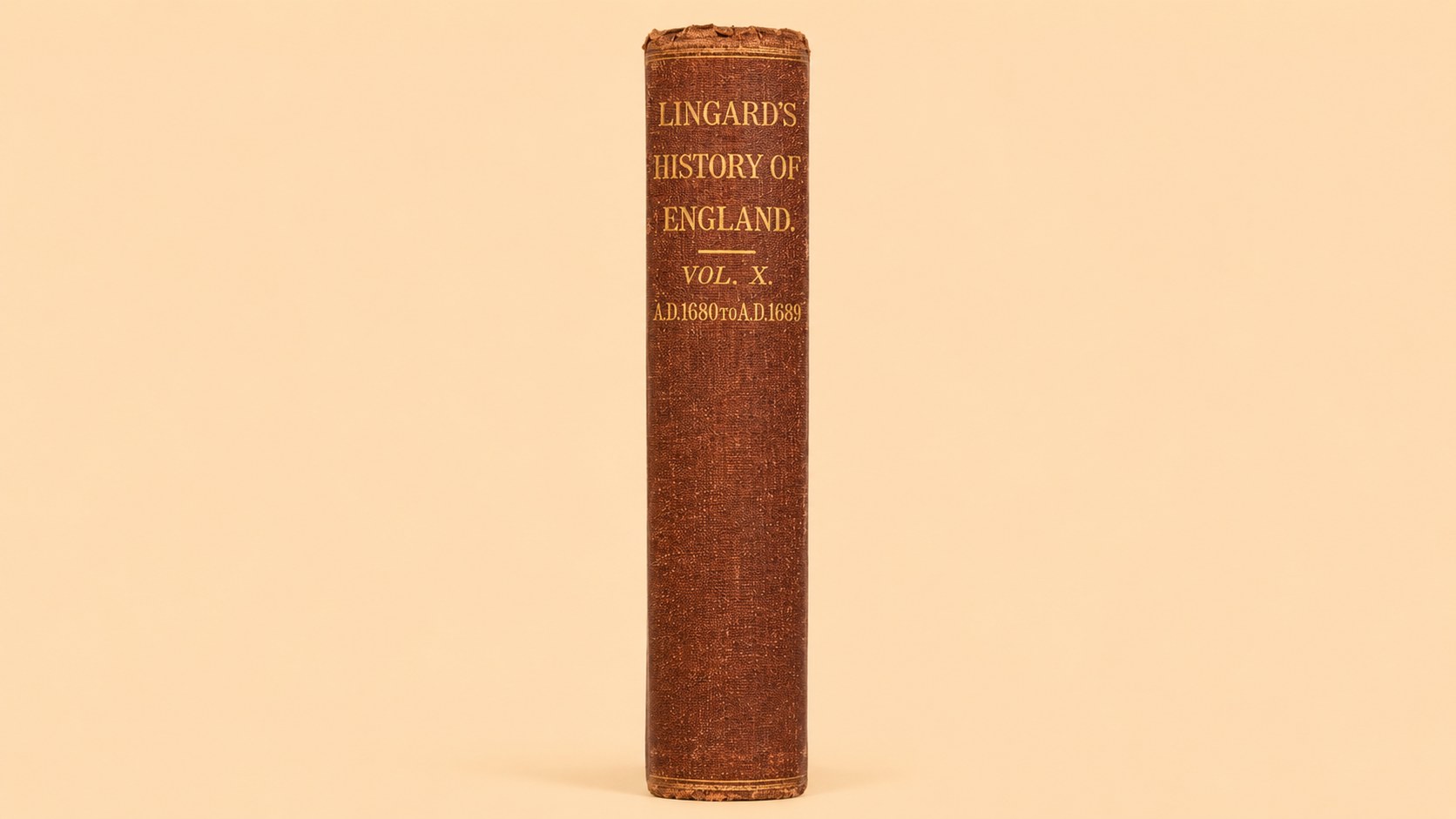
Lingard's History of England, Vol. X
Volume X, the last of Lingard's history — the fall of England's last Catholic king and the 1688 revolution the Whigs called Glorious.
A Private Archive of Antiques & Historical Objects
Books & Literature
Volume X, the last of Lingard's history — the fall of England's last Catholic king and the 1688 revolution the Whigs called Glorious.
The last volume, and the destination of the whole journey: the fall of England's last Catholic king and the revolution the Whigs called Glorious. Lingard chose to end his History exactly here, at the settlement of 1688–89 — the moment when, on the Protestant reading, English liberty was secured for ever.
The closing years of Charles II: the aftermath of the anti-Catholic Popish Plot hysteria, the Exclusion Crisis and the birth of the Whig and Tory parties, and the king's deathbed reception into the Catholic Church; the accession of the openly Catholic James II, the crushing of Monmouth's Rebellion and the "Bloody Assizes", James's Declaration of Indulgence and the trial of the Seven Bishops; and the Glorious Revolution of 1688 — the invitation to William of Orange, James's flight, and the offer of the crown to William and Mary under the Declaration (Bill) of Rights, where the History closes in 1689.
This was the supreme test of Lingard's impartiality, and he knew it. The Revolution of 1688 was the founding myth of the Whig interpretation of history — Protestant liberty delivered from popish tyranny — and its villain was a Catholic king. Lingard neither defends James II's blunders nor accepts the triumphalist gloss; he narrates the king's misjudgements and the nation's fears alike from the record, ending not on a note of celebration or lament but on the documents of the settlement. That a Catholic priest could close his great history at the Protestant tradition's holiest moment, with neither special pleading nor surrender, is the final proof of the method the whole work had advanced.
As the last volume it is the History's destination and its boldest stroke: the Catholic counter-narrative carried right up to, and through, the event the Whig story was built upon. It is also the end of this collection's nine-volume run — and a standing reminder of the single absent volume, IX (A.D. 1660–1680), which alone would make the set whole.
Provenance
Sixth Edition; Charles Dolman, London, 1854–55. One of nine volumes held of the ten-volume set (the set lacks only Vol. IX, A.D. 1660–1680). No ownership inscription noted. Part of a 27-book lot acquired February 2026; cost in the Ledger.
England South
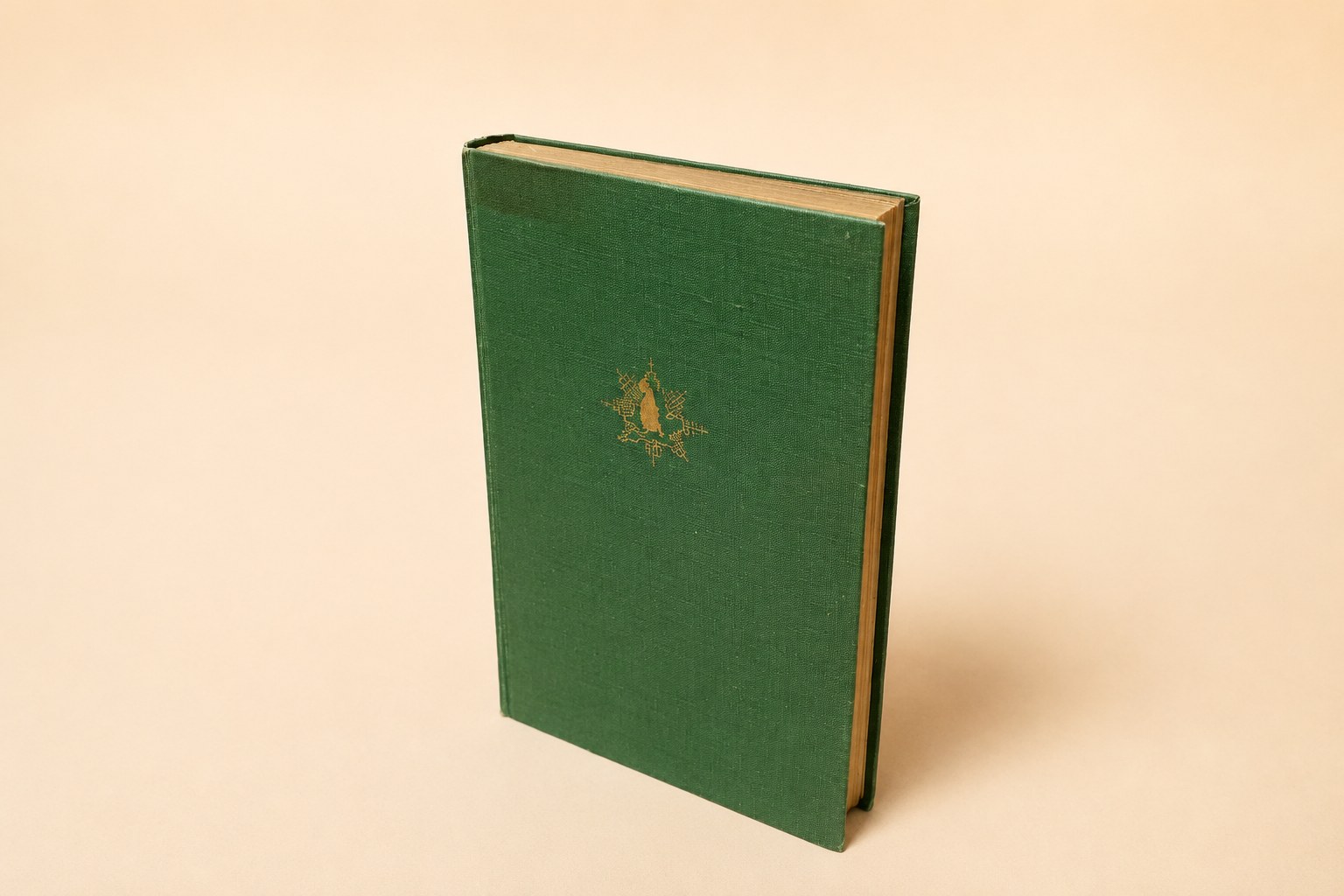
Forty years of sketch-books opened in the year England needed them most: the first volume of Sydney R. Jones's illustrated journey through the southern counties, from London to the very end of Cornwall (1948).
England West
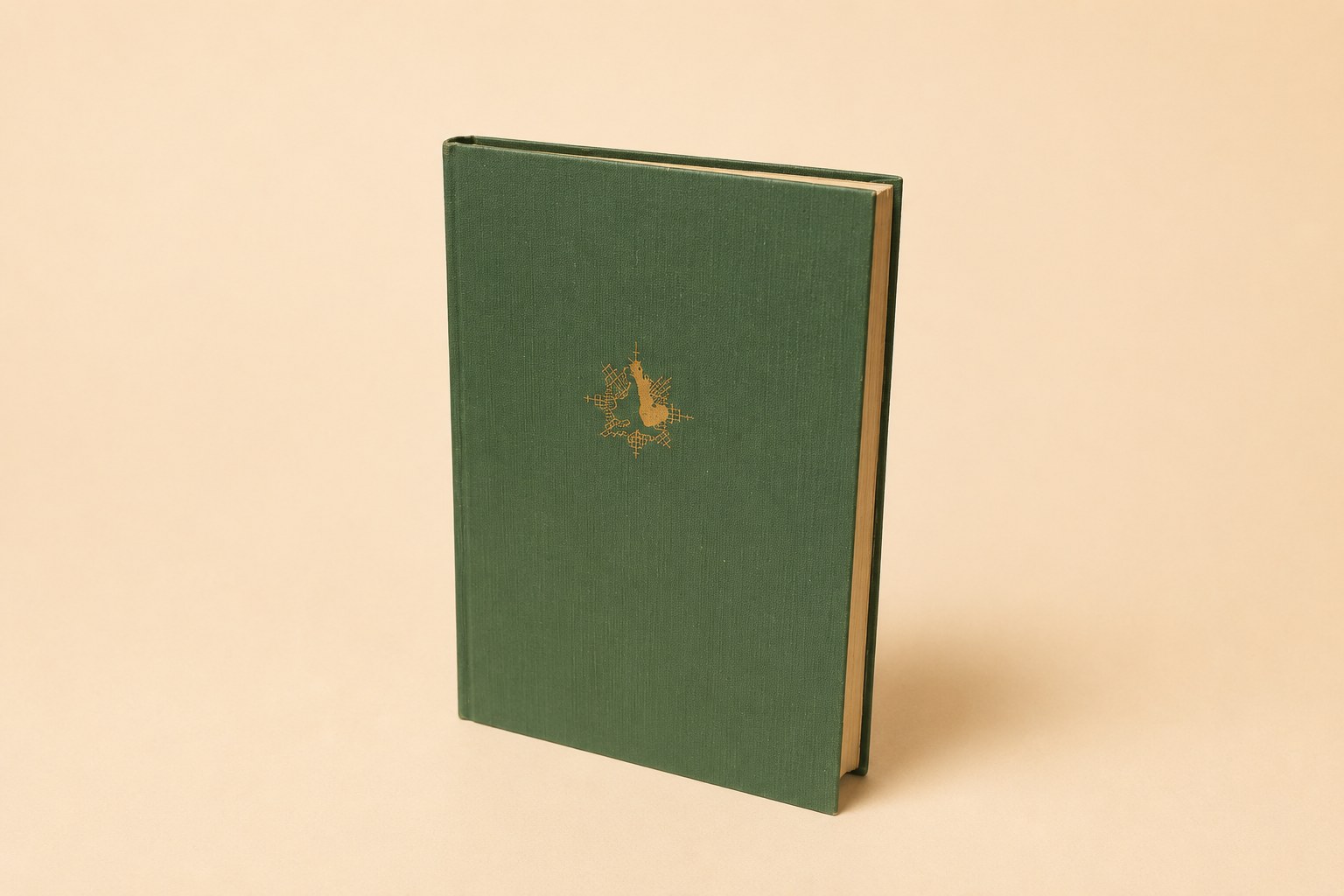
The trilogy's longest journey: Thames to Hadrian's Wall through Cotswold wool churches, Shakespeare country, the Marches, and the industrial North. The richest of the three volumes in architectural range (1950).
England East
The farewell volume: Jones closes his life's work with a journey from the Thames to the Scottish border, saluting Durham coalminers alongside Northumbrian castles, under an epigraph about ashes and graves (1954).