Books & Literature
The Idiot
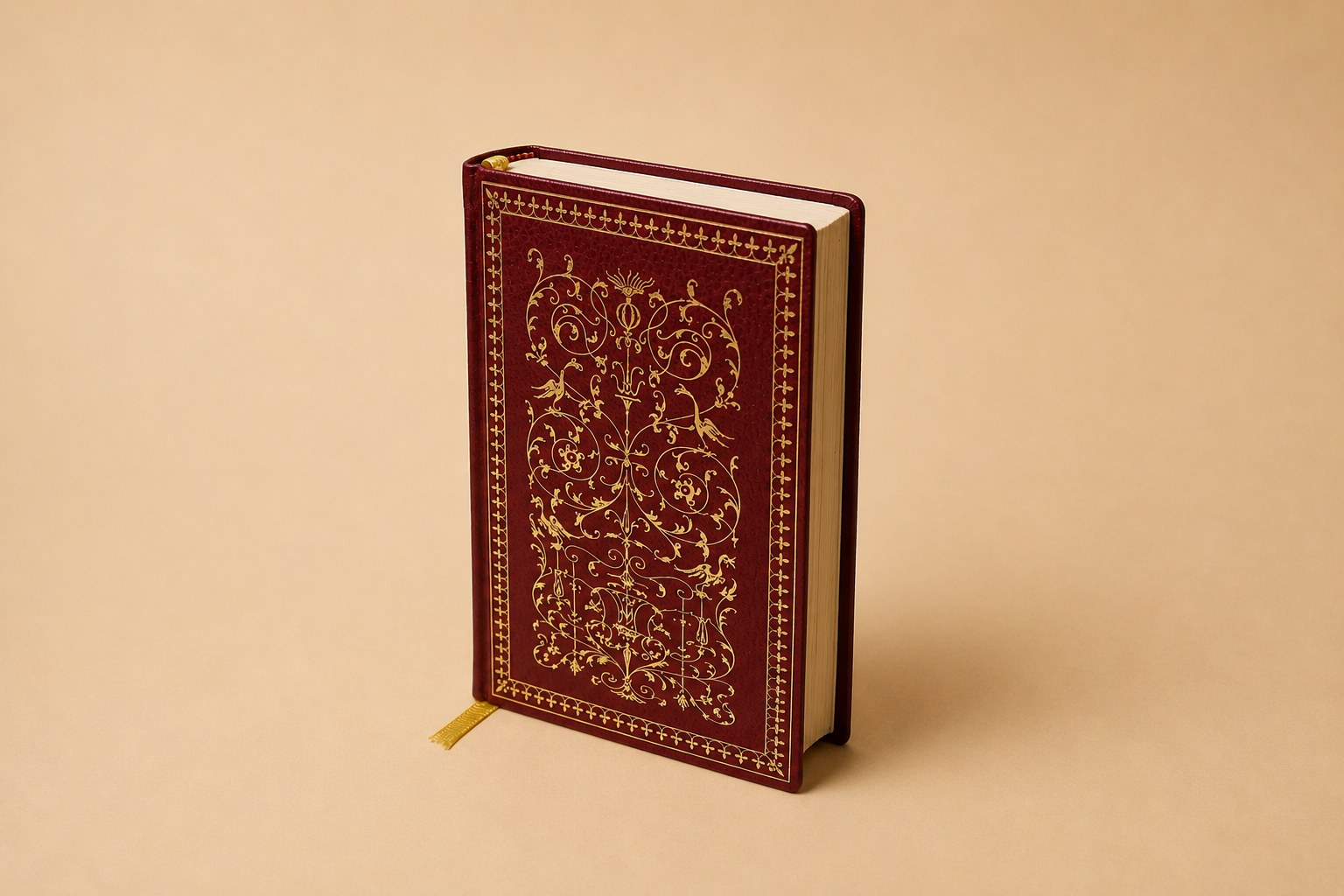
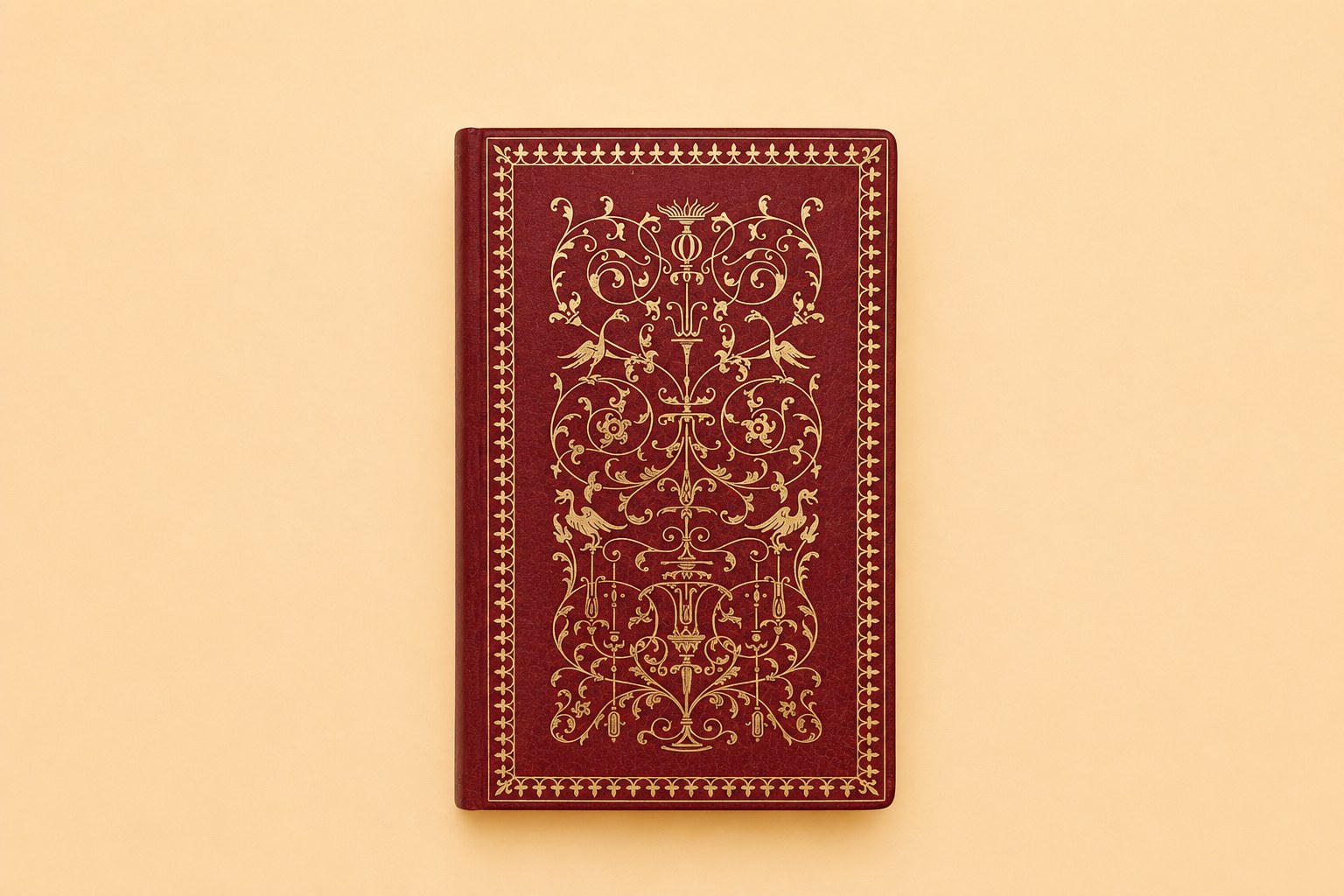
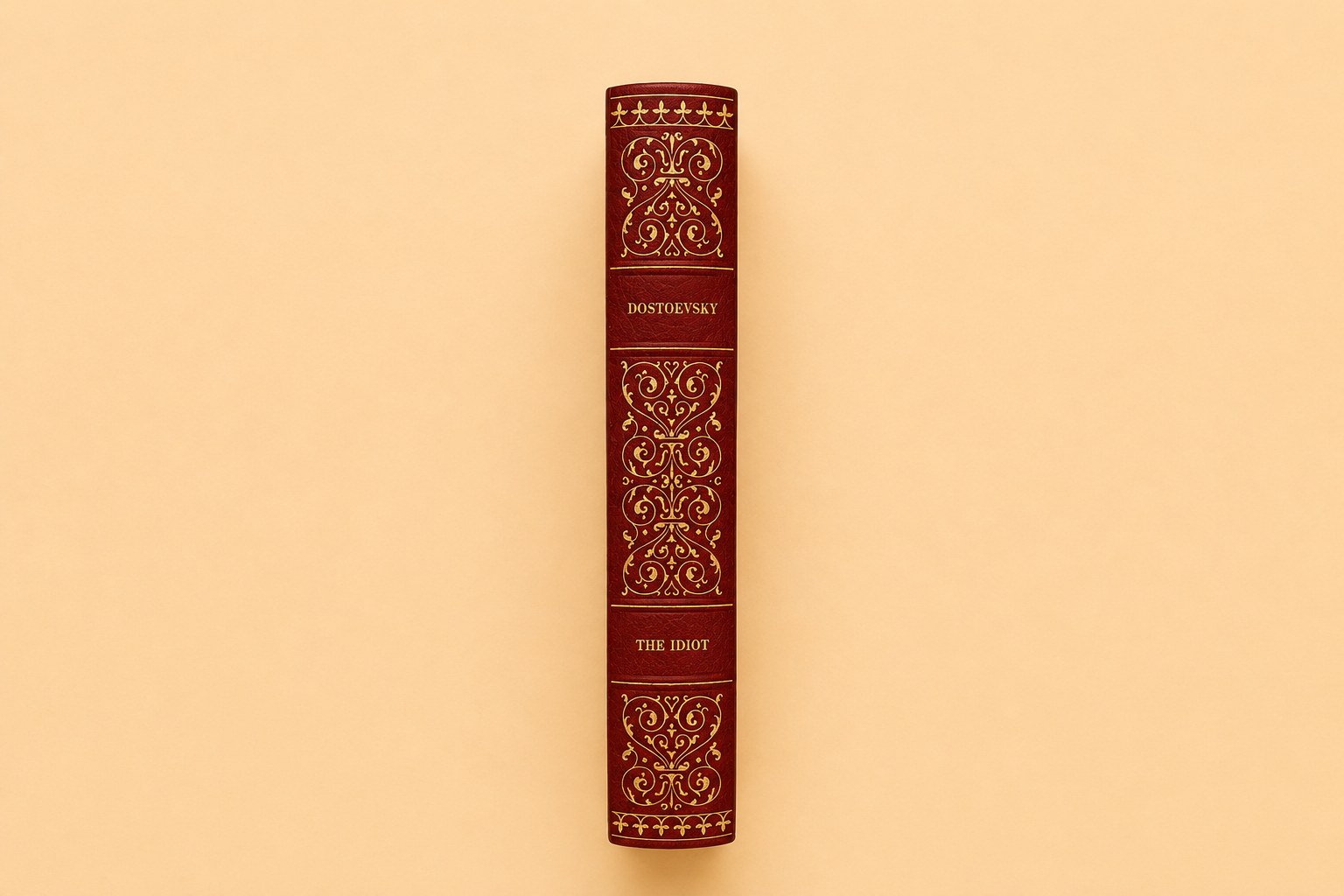
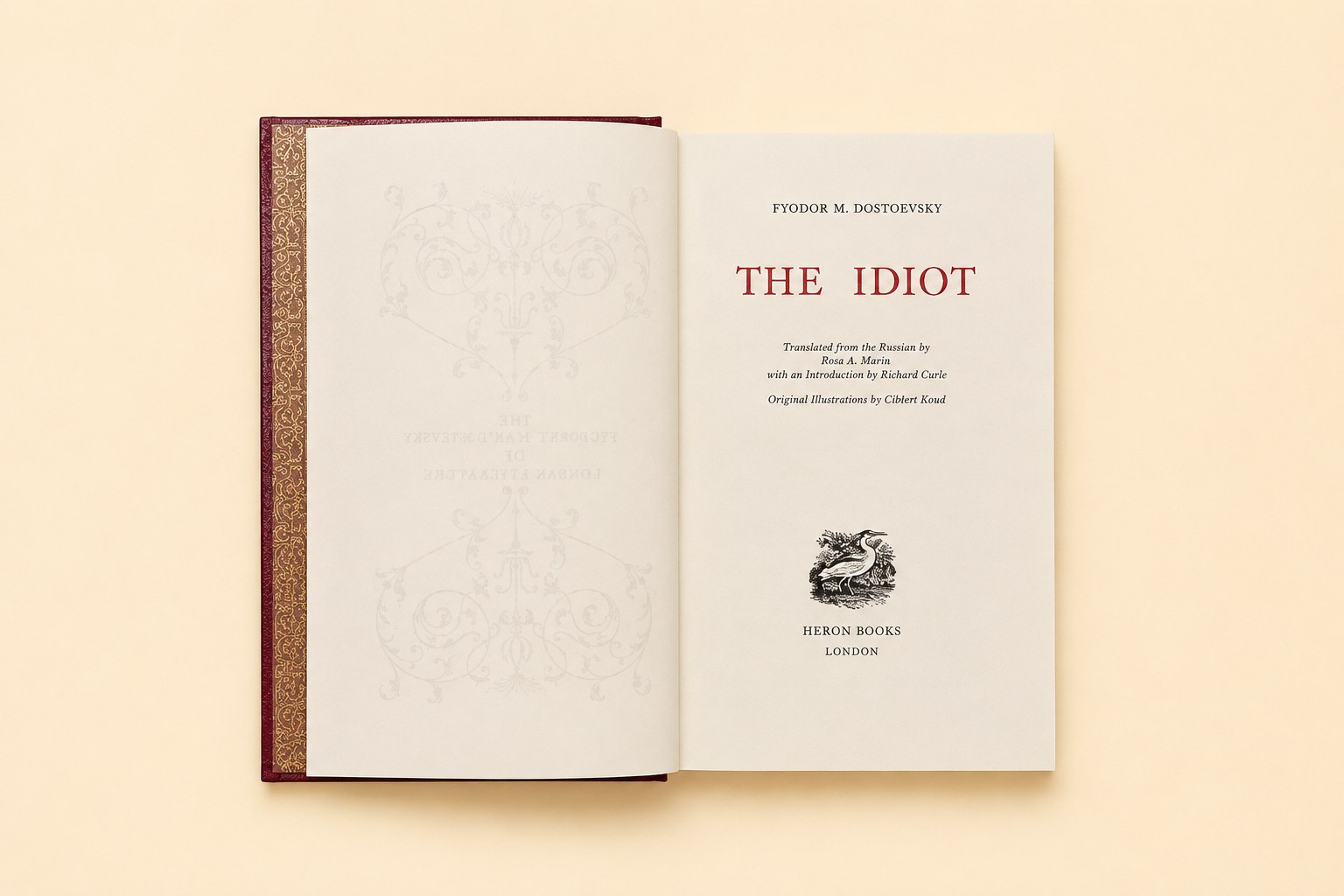
Dostoevsky's experiment in dropping a genuinely good man into society: the 1968 Heron Books gilt-and-leatherette edition, ribbon bookmark intact, spine spelled 'DOSTOEVSKI'.
A Private Archive of Antiques & Historical Objects
Books & Literature
Dostoevsky's experiment in dropping a genuinely good man into society: the 1968 Heron Books gilt-and-leatherette edition, ribbon bookmark intact, spine spelled 'DOSTOEVSKI'.
Dostoevsky set himself what he called an almost impossible task: to portray "a positively beautiful man", a genuinely good human being, and then drop him into the drawing rooms of St Petersburg to see what society would do to him. The result was Prince Myshkin, the "idiot" of the title: epileptic, guileless, incapable of malice, and catastrophic to everyone who loves him. The epilepsy was not invented. Dostoevsky suffered from it all his life, and Myshkin's radiant pre-seizure moments are among the few first-hand literary descriptions of the condition ever written from inside.
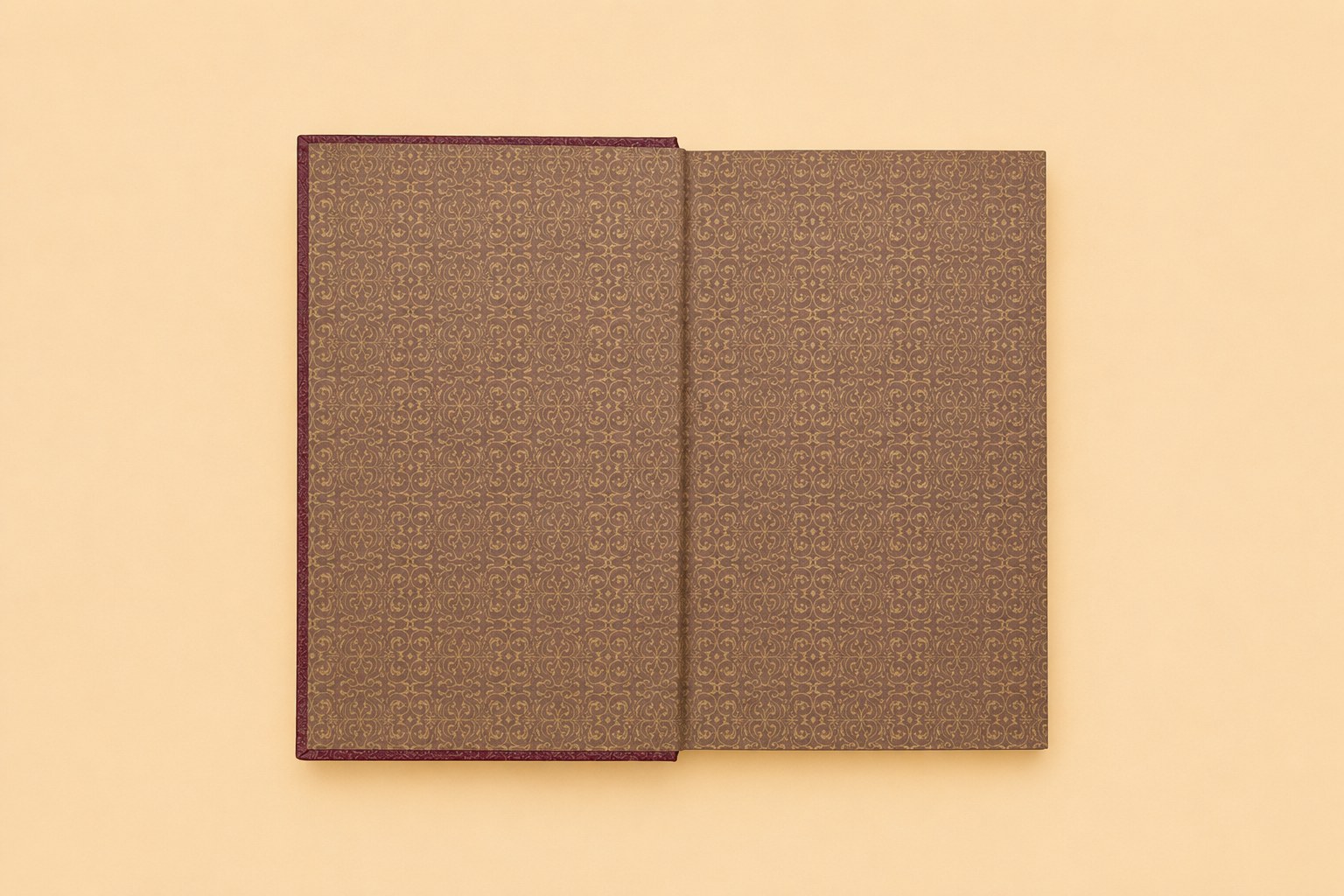
This is The Idiot in the 1968 Heron Books edition, from the series The Greatest Masterpieces of Russian Literature: a handsome uniform library of Russian classics in red leatherette, the boards blocked in gilt, the spines richly tooled, each volume fitted with a built-in yellow ribbon bookmark. The series was produced by Edito-Service S.A. of Geneva, printed in Switzerland, and issued in Britain under the Heron imprint; this volume was published by arrangement with J. M. Dent & Sons, whose Everyman's Library owned the translation. The text is Eva M. Martin's translation, with an introduction by Richard Curle and illustrations by Gilbert Koull. One small idiosyncrasy: the spine spells the author DOSTOEVSKI, a perfectly respectable alternative transliteration that now reads as a fingerprint of its era.
Fyodor Dostoevsky (1821–1881) wrote The Idiot in serial instalments in 1868–69, abroad, broke, newly married, gambling disastrously, and grieving his infant daughter, circumstances that bleed visibly into the book. He regarded the novel with particular tenderness among his works. The introduction-writer of this edition has his own story: Richard Curle was one of Joseph Conrad's closest friends and his literary executor, a small thread of Edwardian literary history stitched into a 1968 Swiss-printed book.
This edition belongs to a distinctive late-1960s publishing phenomenon: the subscription "fine library": uniform, gilt-stamped classics sold as complete home libraries, produced to a high standard in Switzerland and distributed across Europe under imprints like Heron. The Russian series ran to around 31 volumes, spanning Pushkin to Gorky. They were furniture and literature at once, and they put genuinely good translations into tens of thousands of ordinary homes at the exact moment Russian literature's prestige in the West, sharpened by the Cold War, was at its height.
This copy is in excellent condition: spine unbroken, no wear or foxing, internally clean, and the yellow ribbon bookmark intact. It sits in this collection alongside the same series' two-volume Brothers Karamazov, making a small reunited family of the Heron Russian library.
The Idiot is the most autobiographically charged of Dostoevsky's great novels: his own illness, his own financial chaos, his own question about whether pure goodness can survive contact with the world (his answer is not comforting). This edition represents the book's later life as a democratic object: the masterpiece as mass-produced heirloom, ribbon-marked and gilt-stamped, built so that a family that owned no other Russian literature would own this. Fifty years on, the gilt has outlasted the marketing scheme, and the novel is still asking its question.
Provenance
No ownership marks. Edition self-identifying: Heron Books / Edito-Service S.A. 1968, by arrangement with J. M. Dent.
England South
Forty years of sketch-books opened in the year England needed them most: the first volume of Sydney R. Jones's illustrated journey through the southern counties, from London to the very end of Cornwall (1948).
England West
The trilogy's longest journey: Thames to Hadrian's Wall through Cotswold wool churches, Shakespeare country, the Marches, and the industrial North. The richest of the three volumes in architectural range (1950).
England East
The farewell volume: Jones closes his life's work with a journey from the Thames to the Scottish border, saluting Durham coalminers alongside Northumbrian castles, under an epigraph about ashes and graves (1954).