Category
Books & Literature
Antique volumes, first editions, manuscripts, and the written word.
46 objects
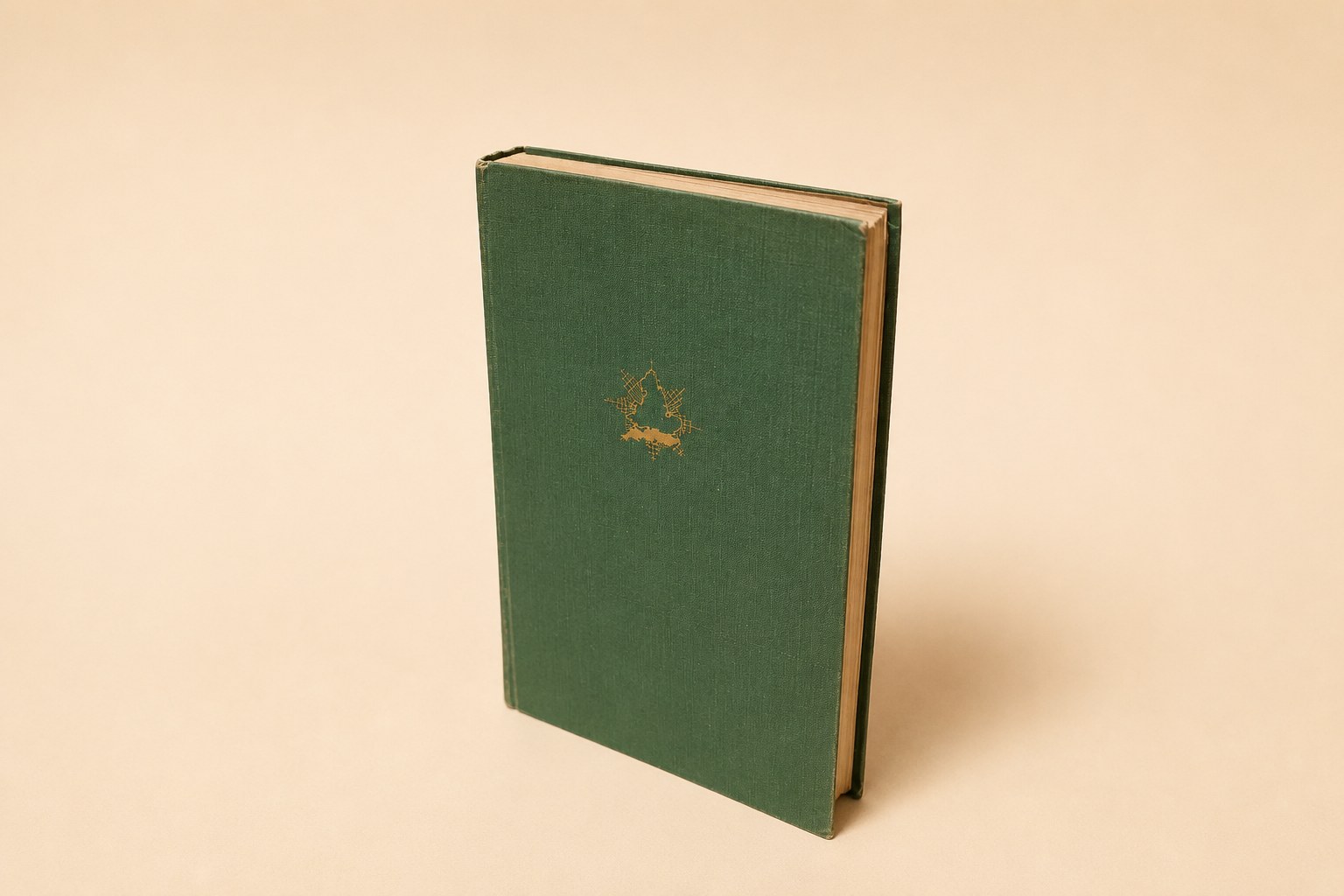
England South
Forty years of sketch-books opened in the year England needed them most: the first volume of Sydney R. Jones's illustrated journey through the southern counties, from London to the very end of Cornwall (1948).
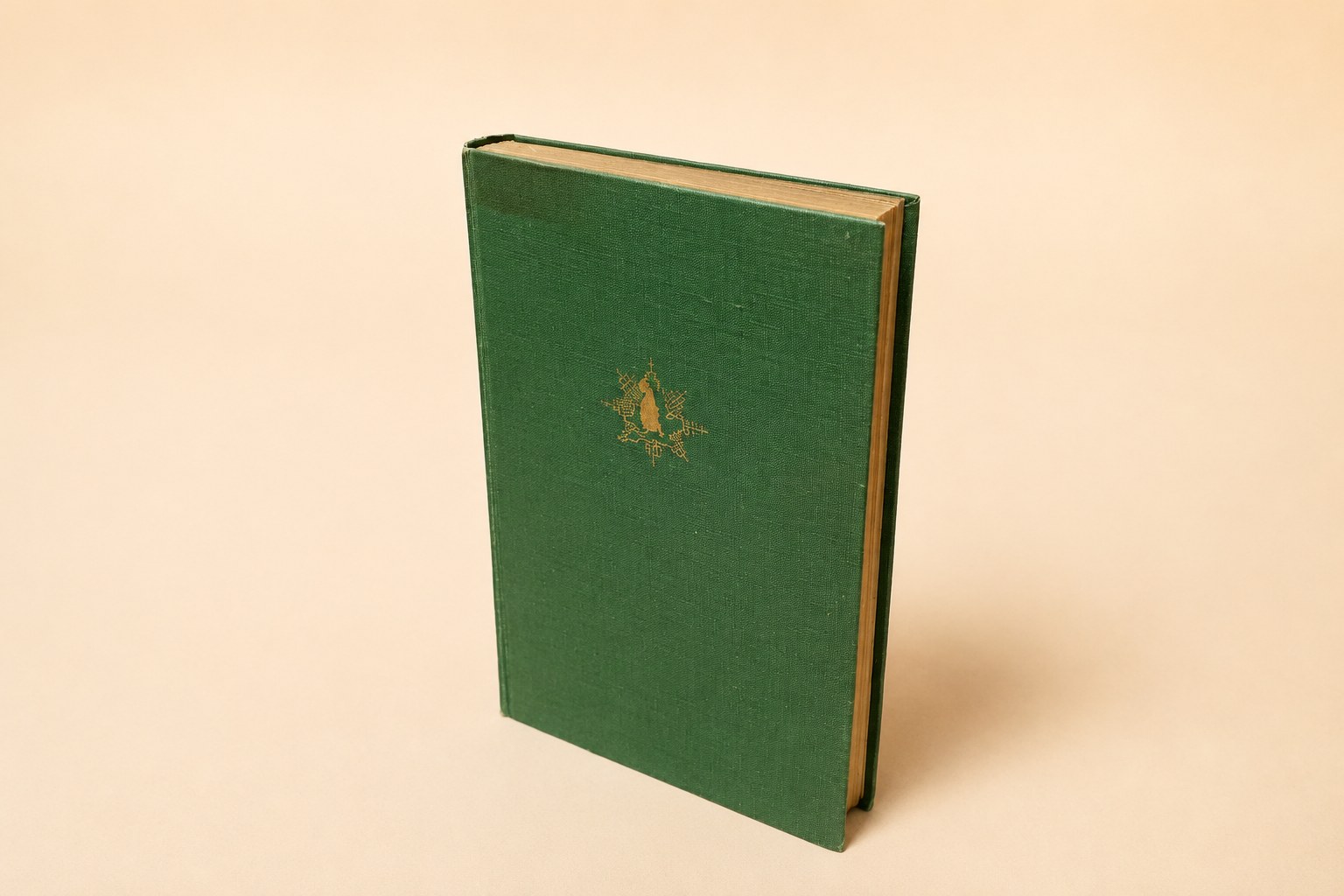
England West
The trilogy's longest journey: Thames to Hadrian's Wall through Cotswold wool churches, Shakespeare country, the Marches, and the industrial North. The richest of the three volumes in architectural range (1950).
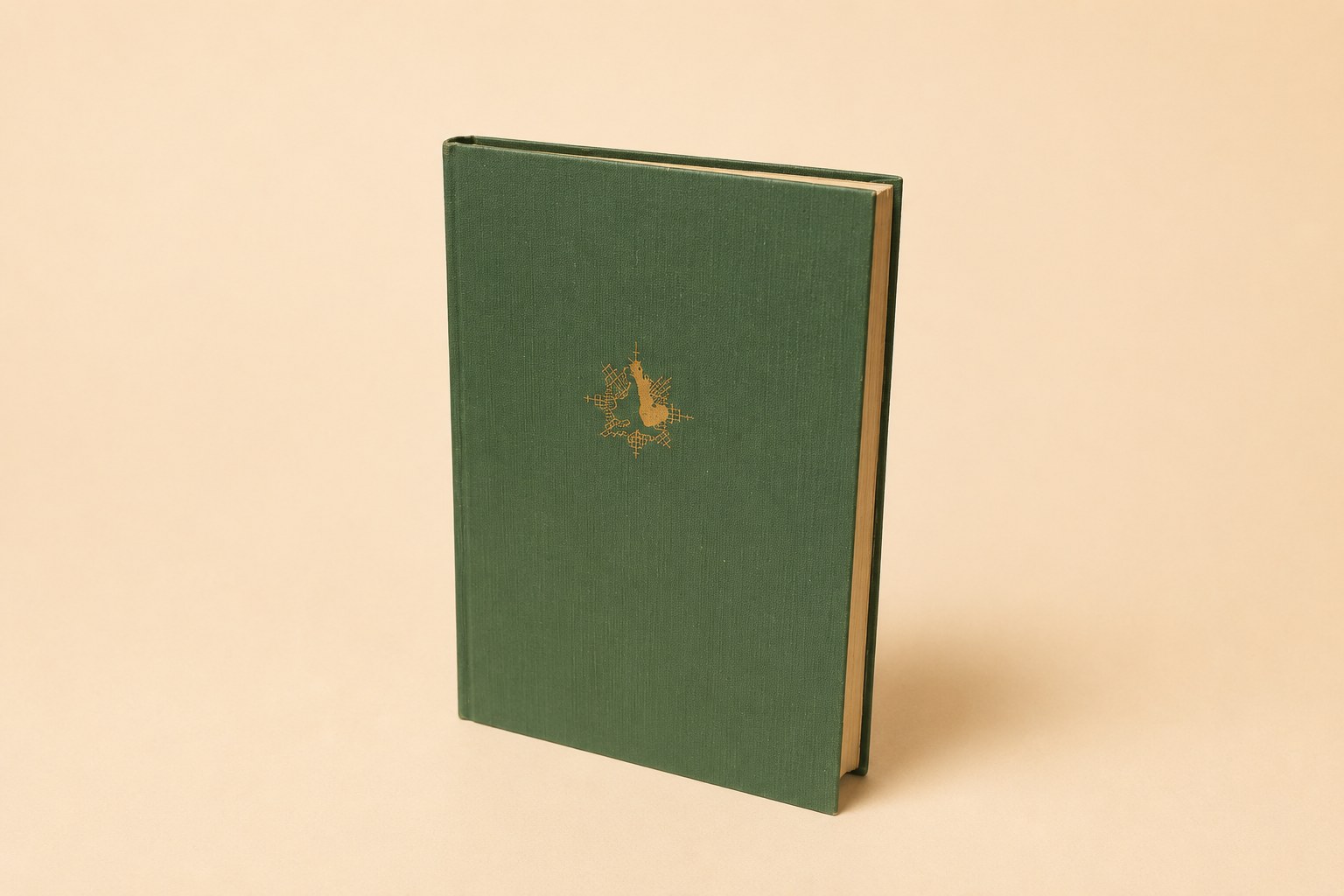
England East
The farewell volume: Jones closes his life's work with a journey from the Thames to the Scottish border, saluting Durham coalminers alongside Northumbrian castles, under an epigraph about ashes and graves (1954).
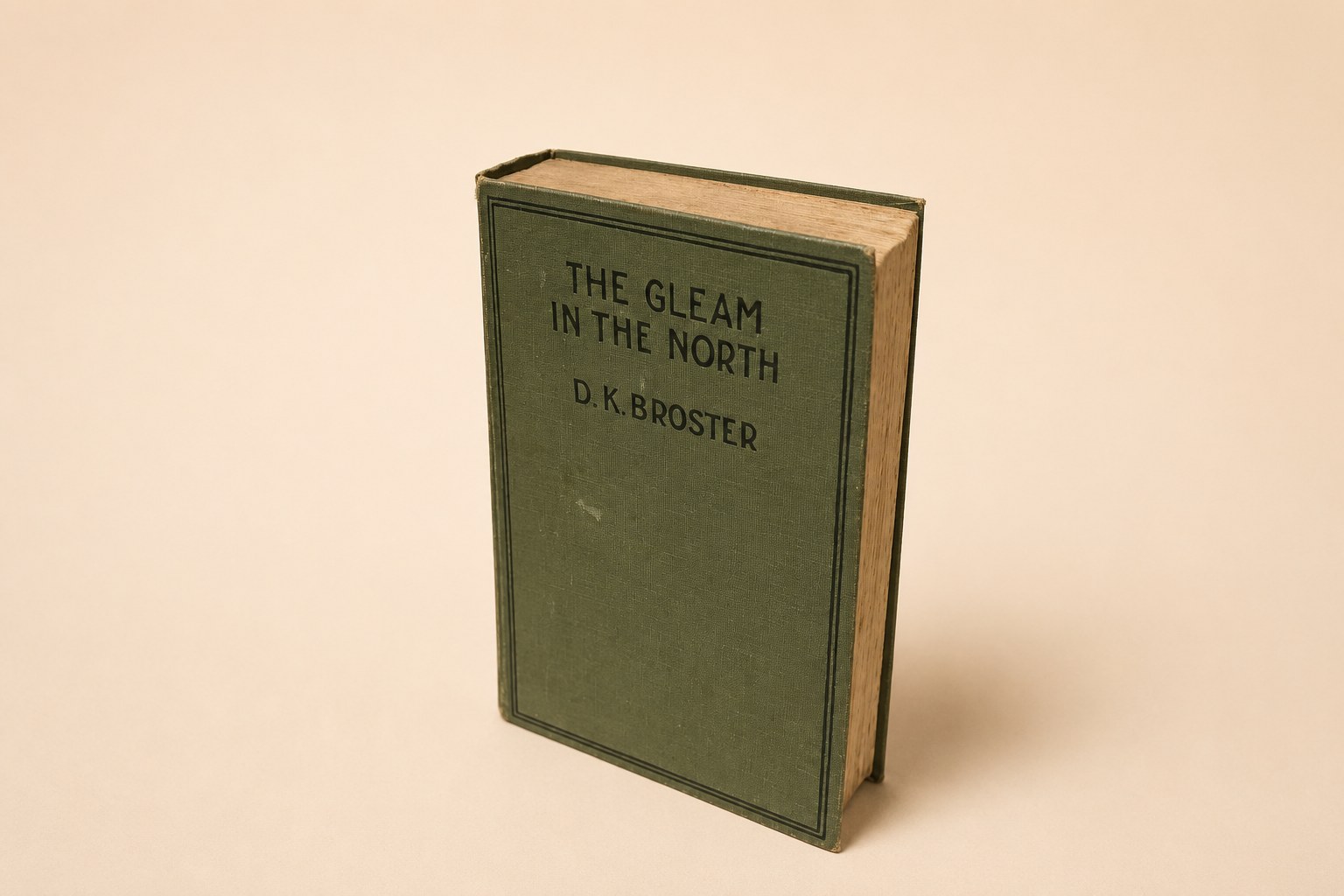
The Gleam in the North
A novel that keeps a promise: its final scenes use the actual last words of Dr Archibald Cameron, the last Jacobite executed for treason. Heinemann, 1930 impression, the trilogy's fifth printing in three years.
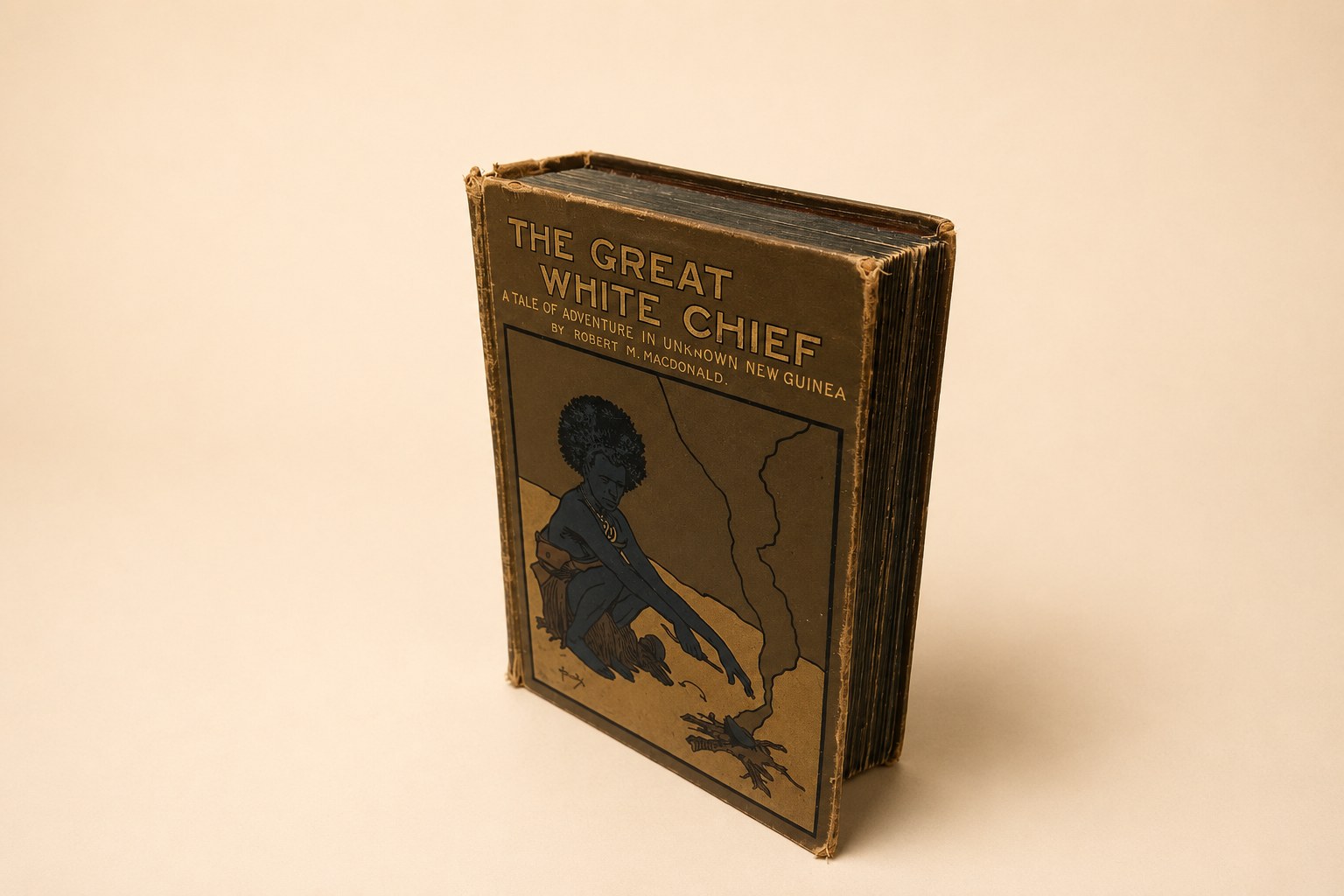
The Great White Chief
'The characters are real, and the incidents not imaginary': an Edwardian New Guinea adventure that reads like a prospector's disguised memoir, with eight Rainey plates, a folding map, and a Christmas 1918 inscription.
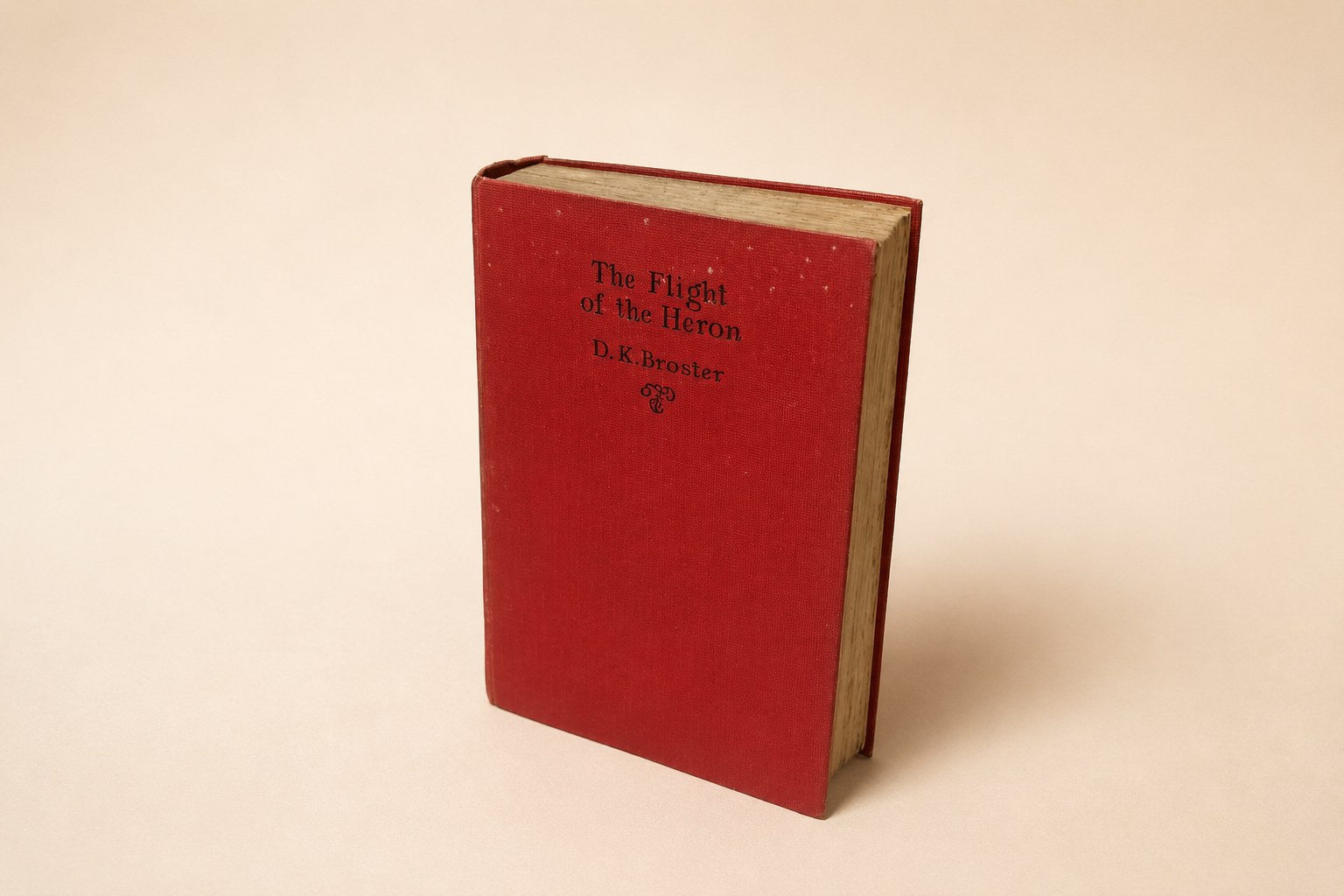
The Flight of the Heron
The defining Jacobite novel of the 20th century, built on a heron prophecy and an impossible friendship across enemy lines; this copy from the 1927 cheaper edition, inscribed by its first owner, Dickie Mackenzie.
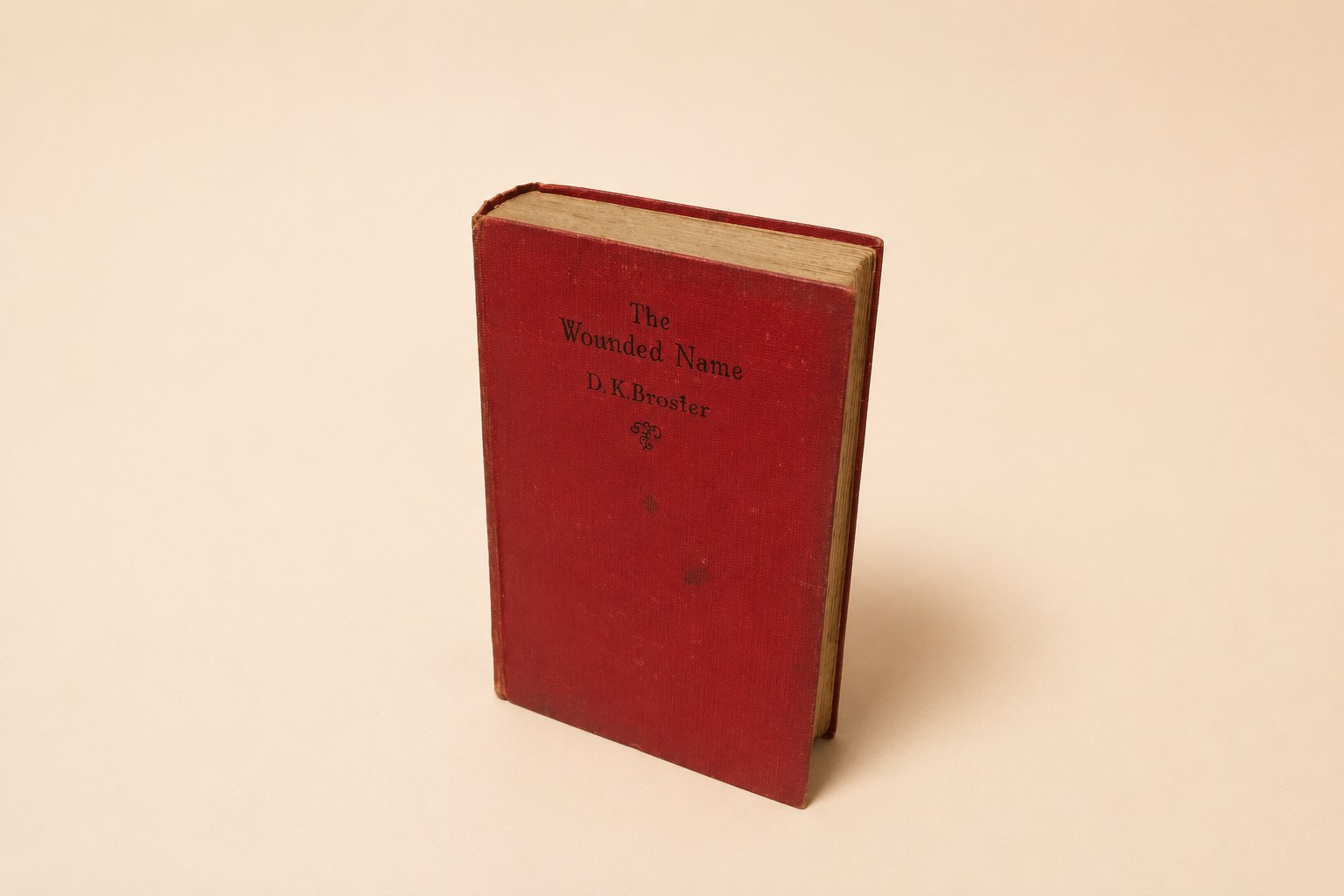
The Wounded Name
Dedicated 'to friendship' and titled from Hamlet's dying words: Broster's 1815-set novel of a hero falsely disgraced, here in two Heinemann impressions (1926–27 and 1928–29) from the Windmill Press.
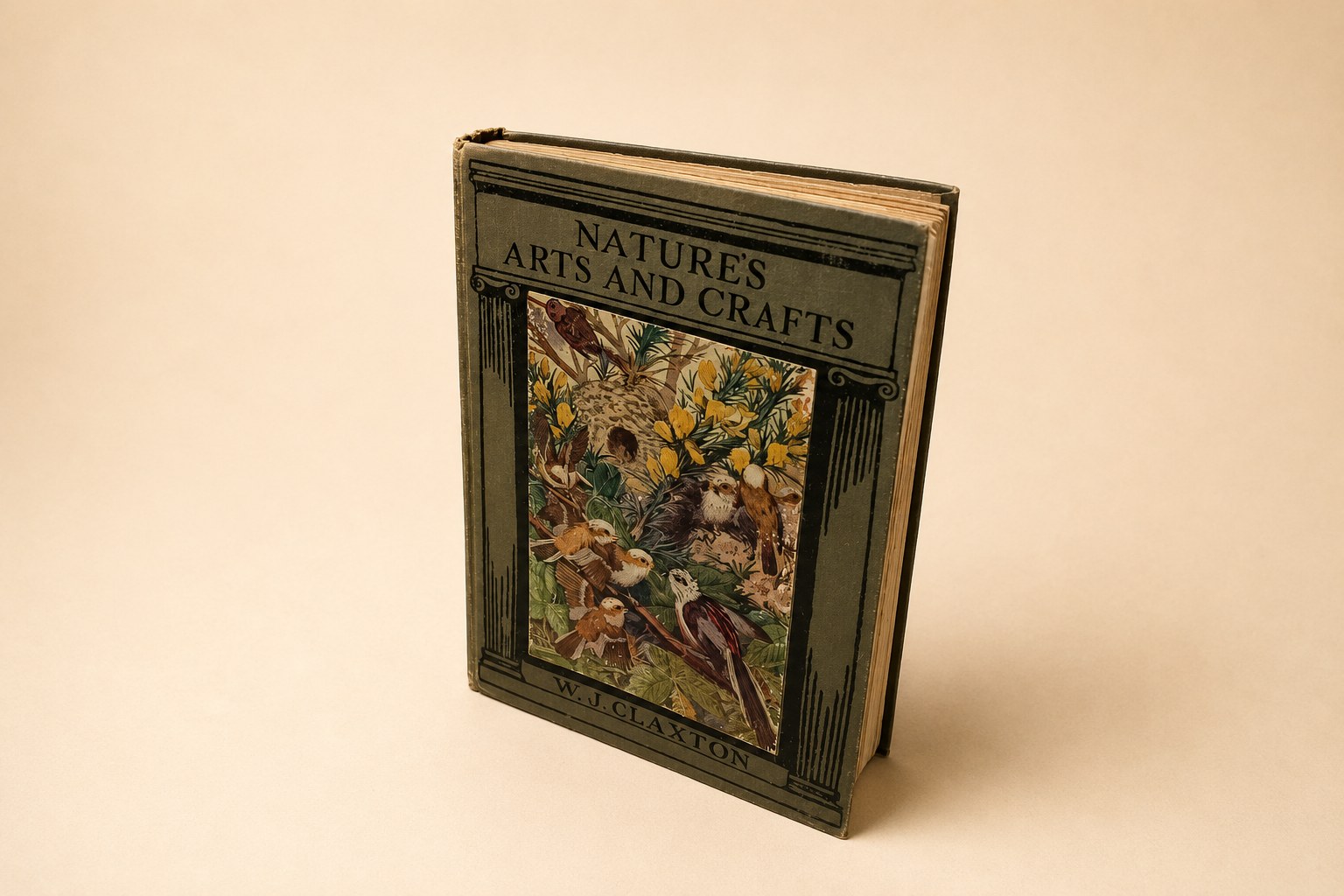
Nature's Arts and Crafts
Spiders as architects, squirrels as bankers, bower birds as upholsterers: an Edwardian nature book for children, awarded as an LCC school prize to Osmond Hollington of Tooting for English, July 1937.
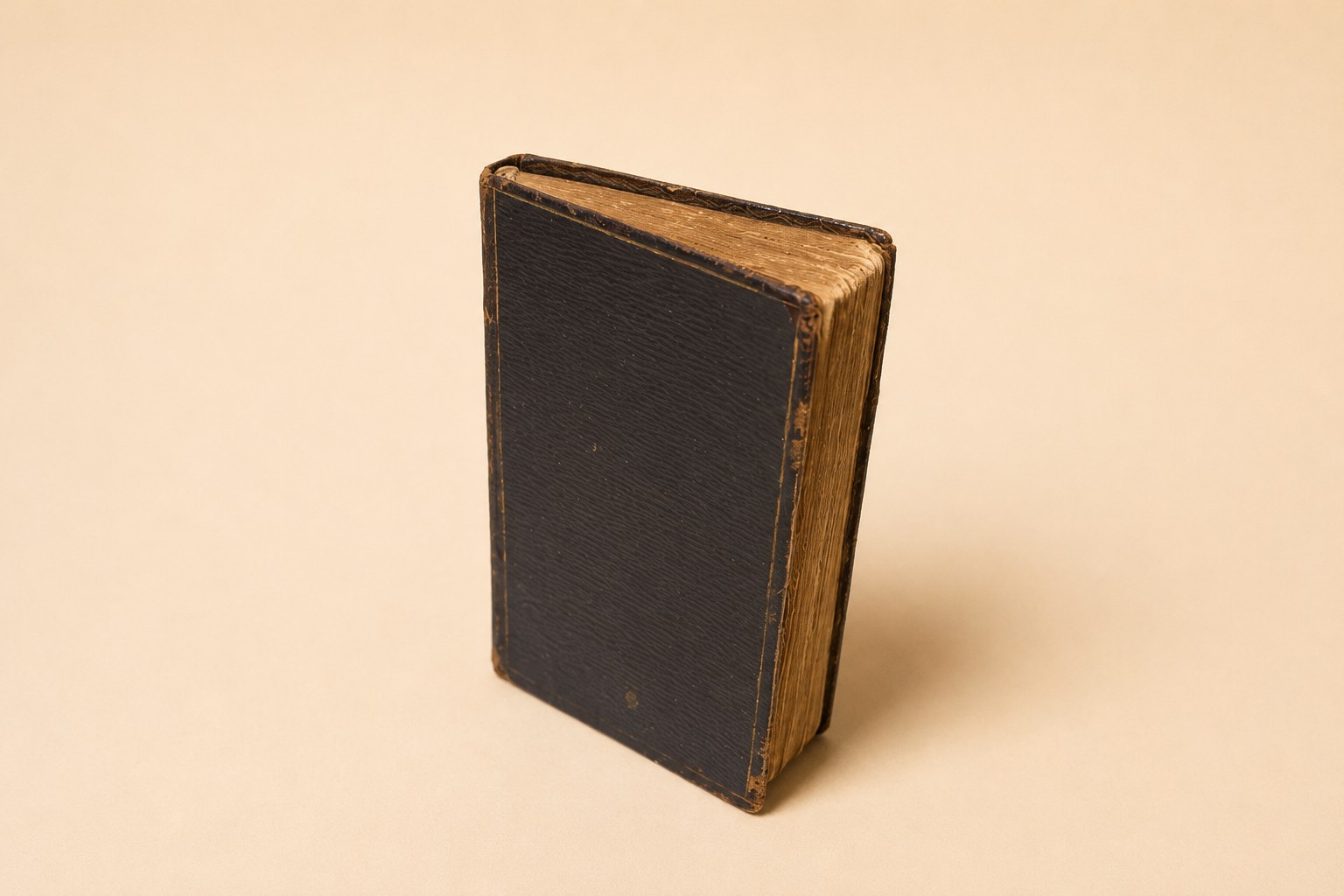
Pietas Quotidiana: Prayers & Meditations
A Georgian pocket prayer book with no title on its spine and a deathbed angel for a frontispiece: daily piety in navy leather and gilt, London c.1826–1840, with a prayer by a guillotined French princess inside.
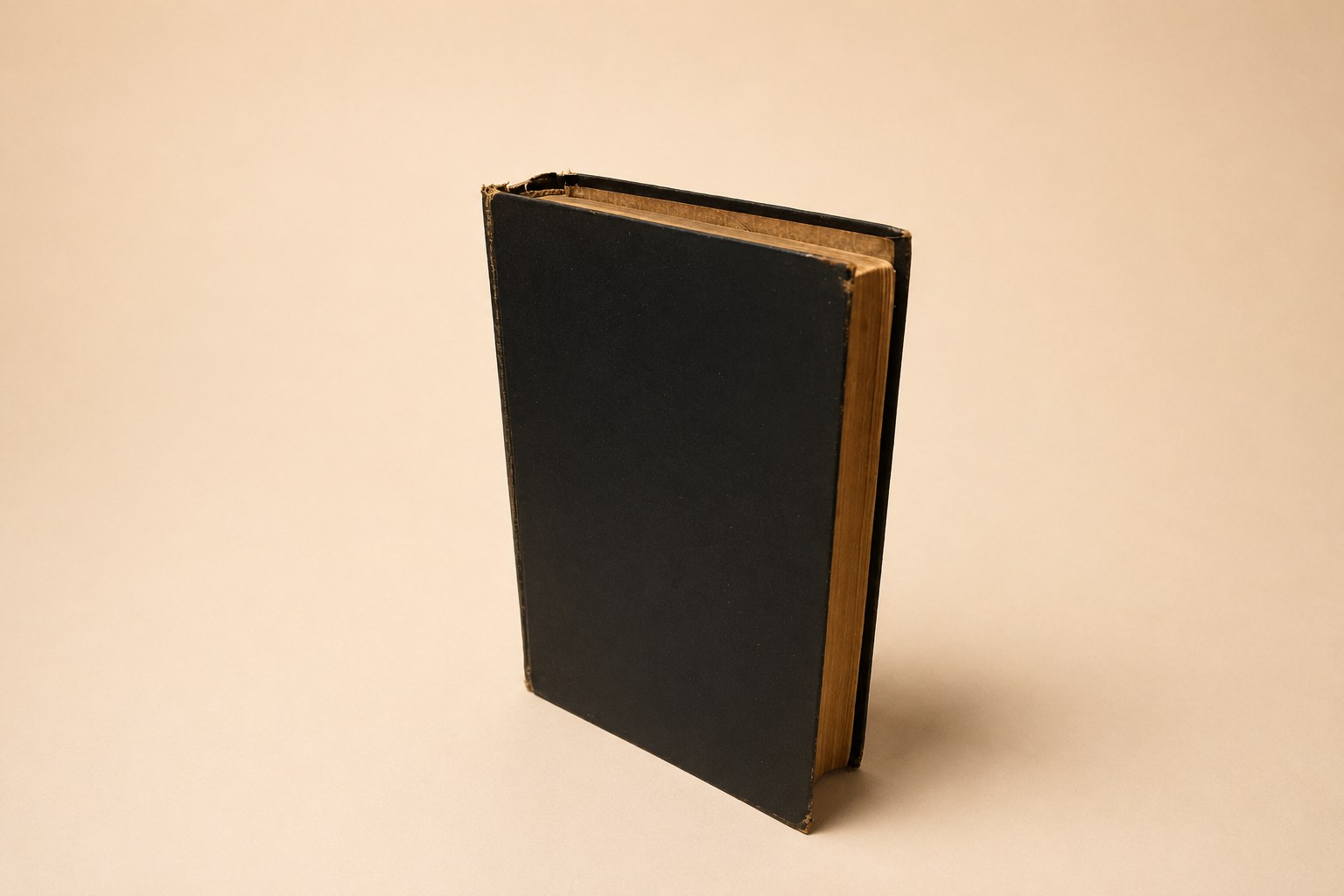
The Works of William Shakspeare
The complete Shakespeare, spelled 'Shakspeare' defiantly, squeezed onto 921 india-paper pages for ordinary Victorian households. One of 340,000 copies that put the national poet in the parlour (Warne, c.1879–1900).
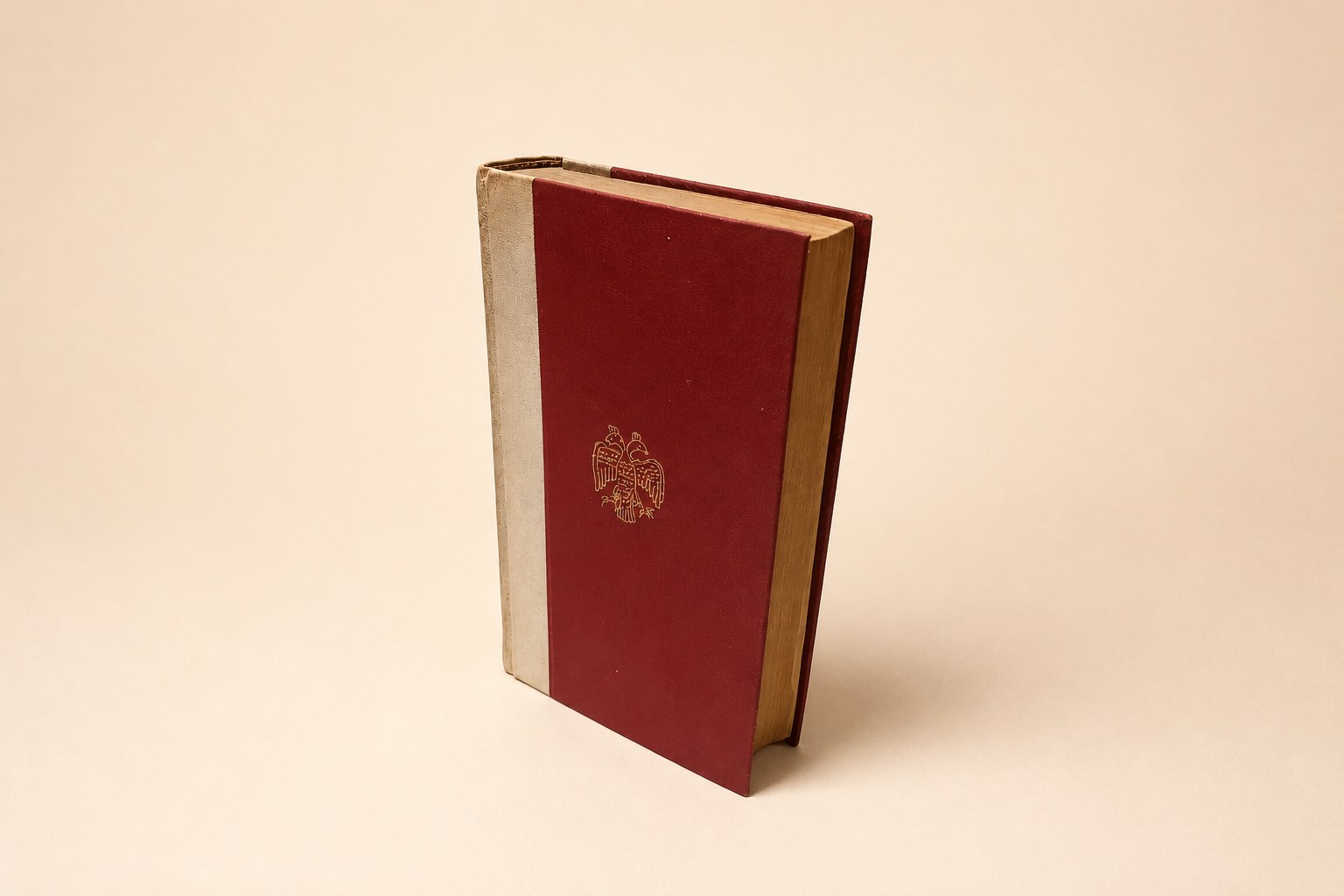
War and Peace
Tolstoy's epic of the 1812 invasion, printed in Britain in 1943, while history repeated itself outside Moscow. The Tolstoy-endorsed Maude translation on wartime paper, with the invasion fold-out map intact.
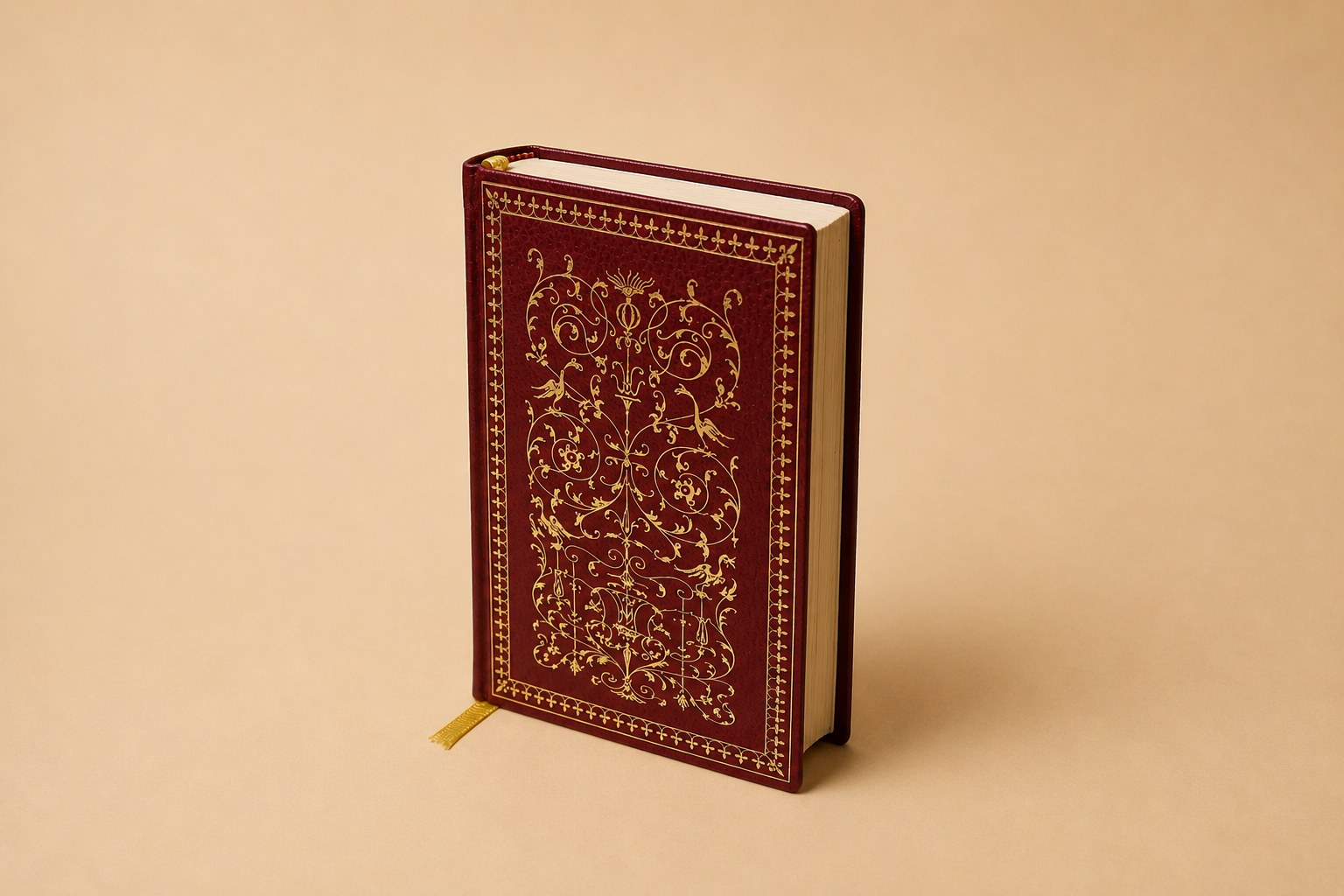
The Idiot
Dostoevsky's experiment in dropping a genuinely good man into society: the 1968 Heron Books gilt-and-leatherette edition, ribbon bookmark intact, spine spelled 'DOSTOEVSKI'.
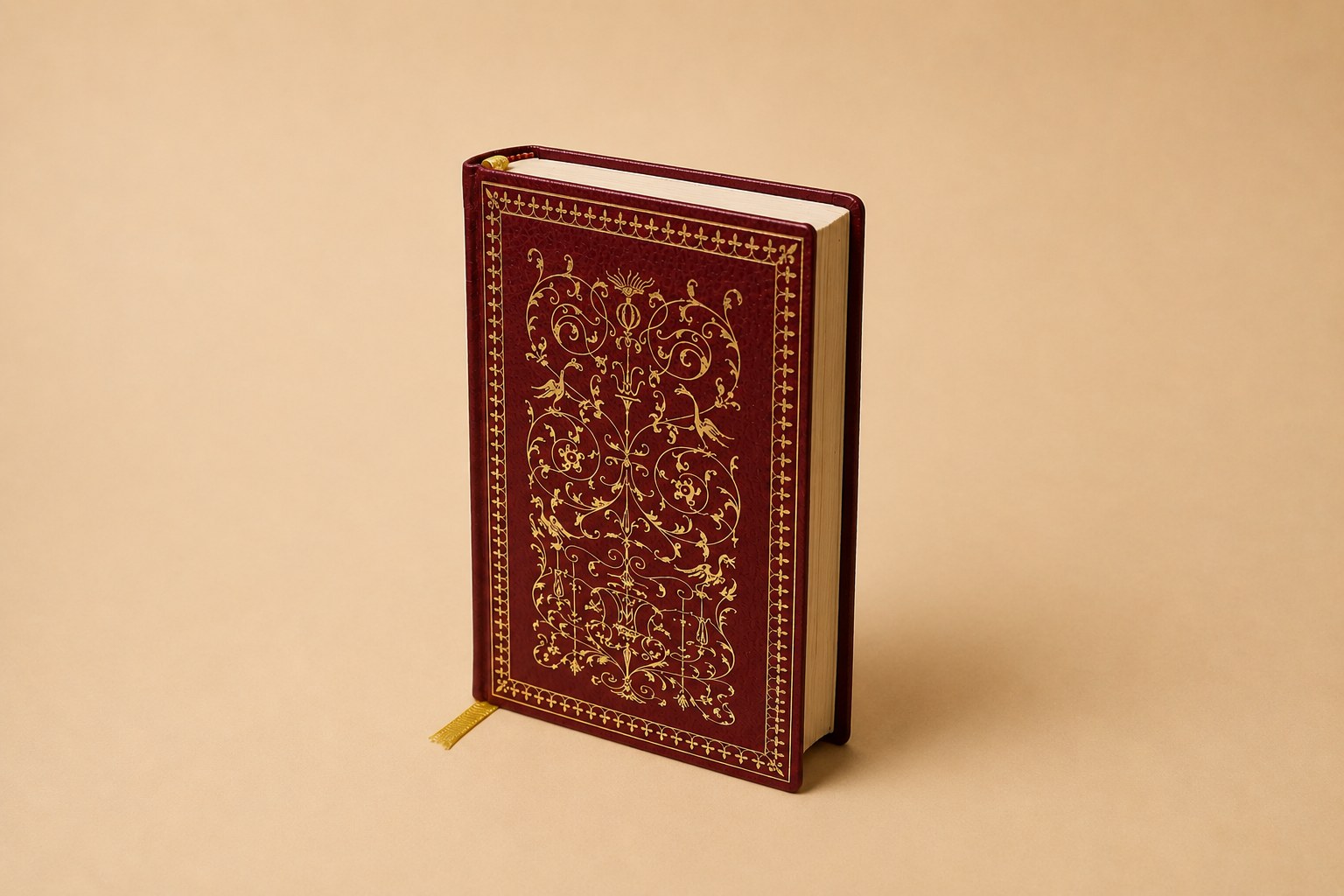
The Brothers Karamazov, Vol. I
The first half of what Freud called 'the most magnificent novel ever written': Garnett's pioneering translation in the 1968 Heron gilt edition, containing the Grand Inquisitor, with an old £1.25 pencil price as a fossil of its travels.
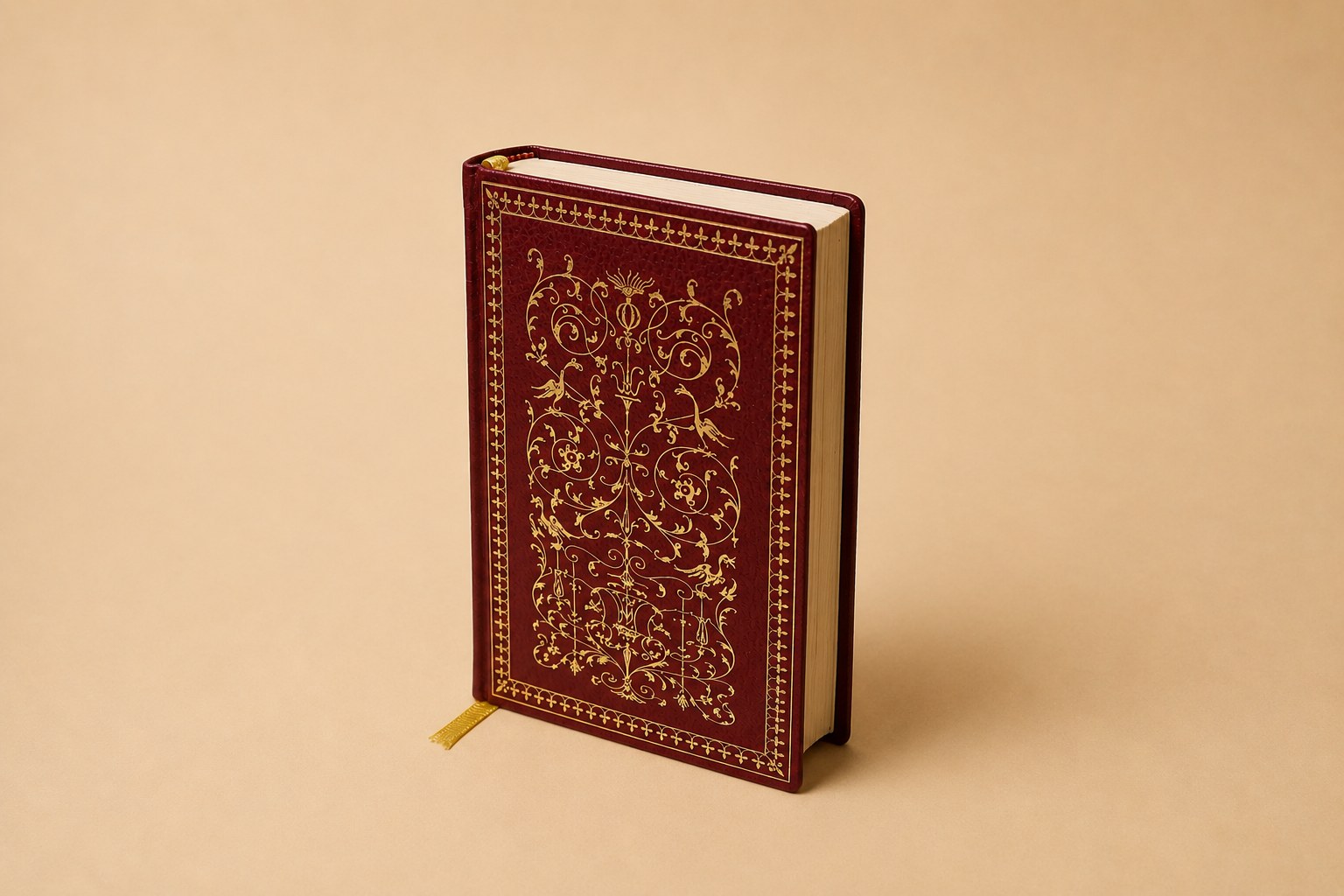
The Brothers Karamazov, Vol. II
The trial, the devil, and Dostoevsky's last written word of hope: the concluding volume of his final masterpiece in the 1968 Heron gilt edition, completing the set with Volume I.
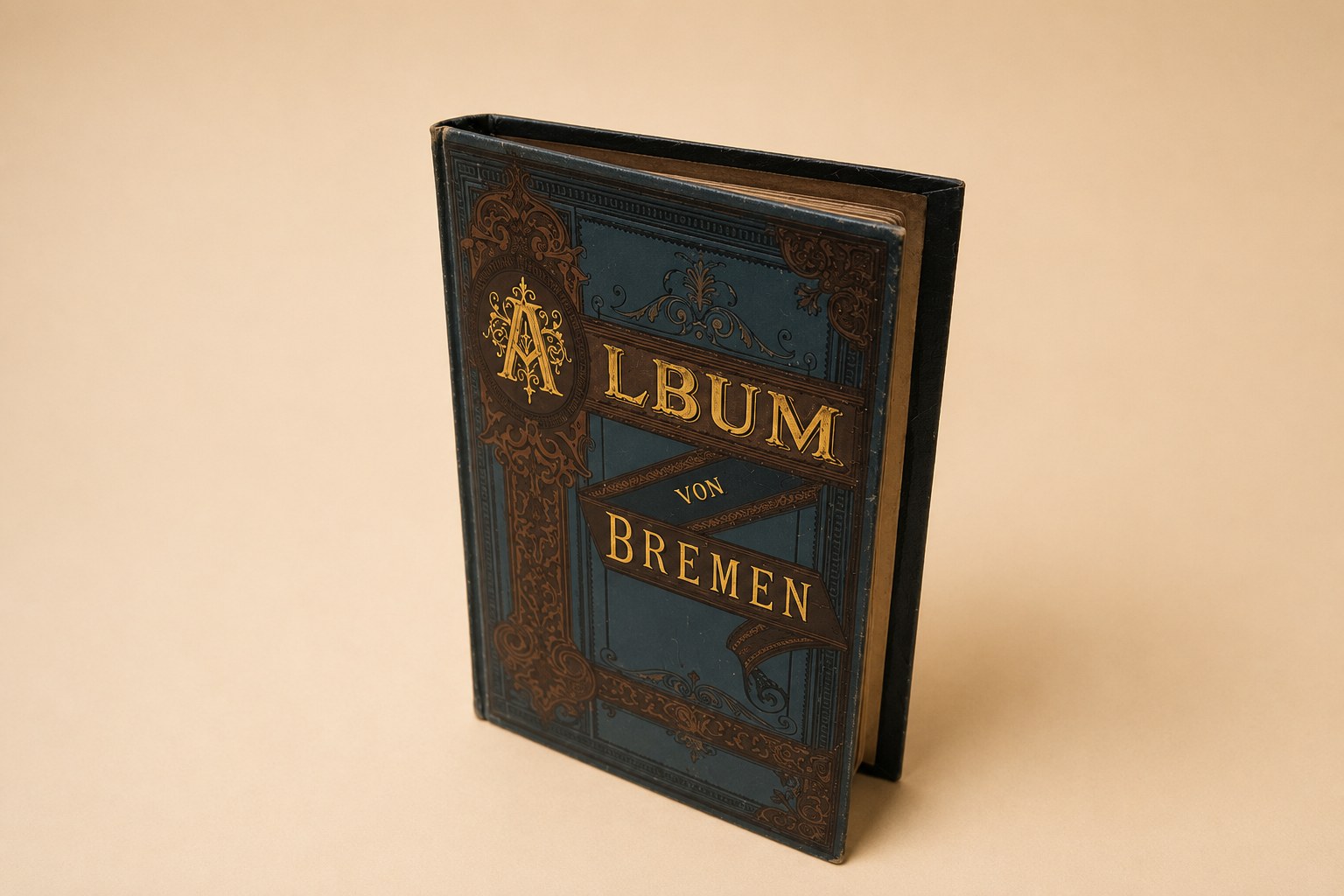
Album von Bremen
Twelve egg-white photographs of a city the bombs later erased: an 1891 concertina-fold souvenir of Hanseatic Bremen, including monuments that became UNESCO World Heritage 113 years after the shutter clicked.
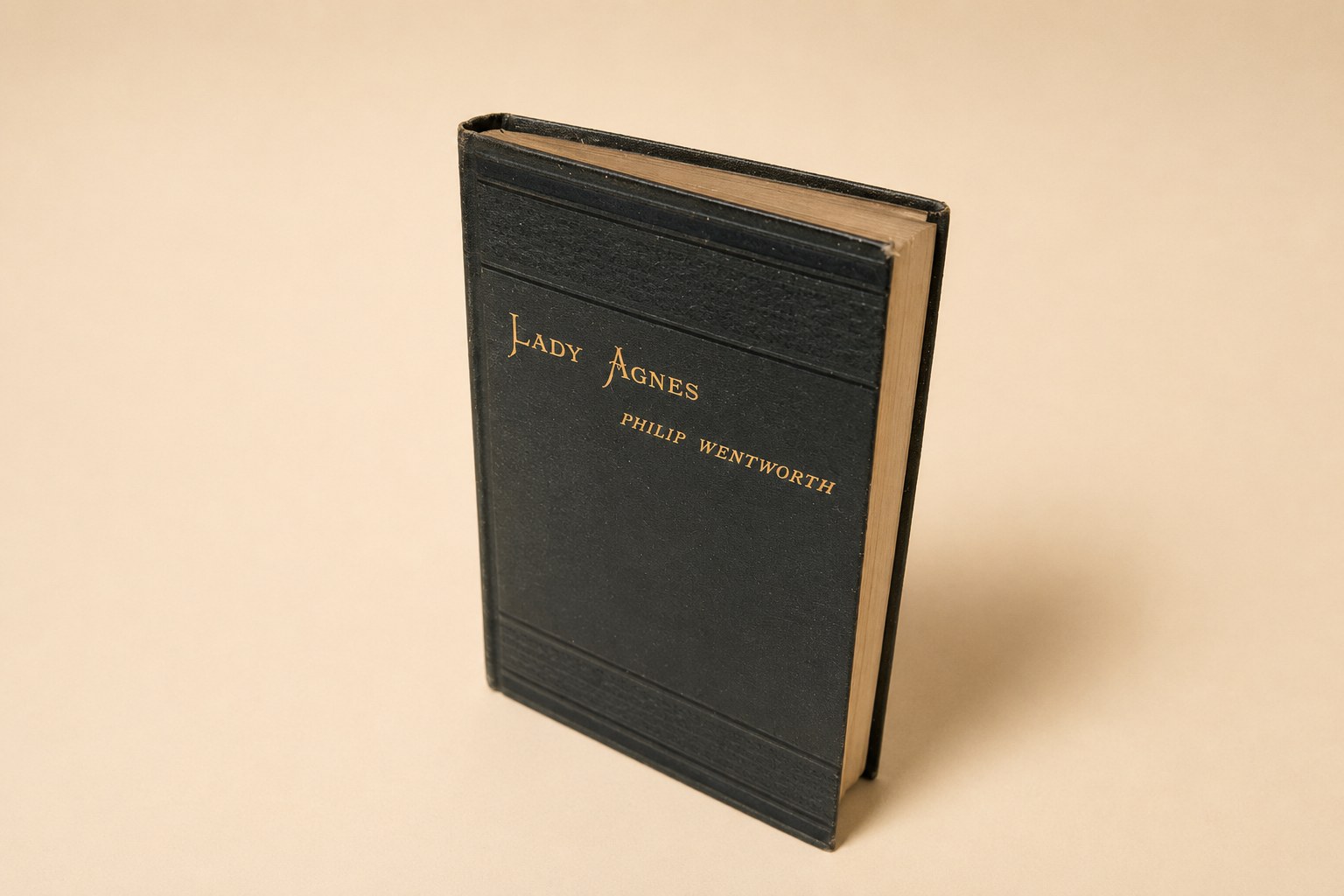
Lady Agnes and Other Poems
Thirty-one poems by a man history declined to remember: the first and only edition of an unknown Manchester poet's lifework, 1878, with a preface that fires one perfect shot at literary fashion.
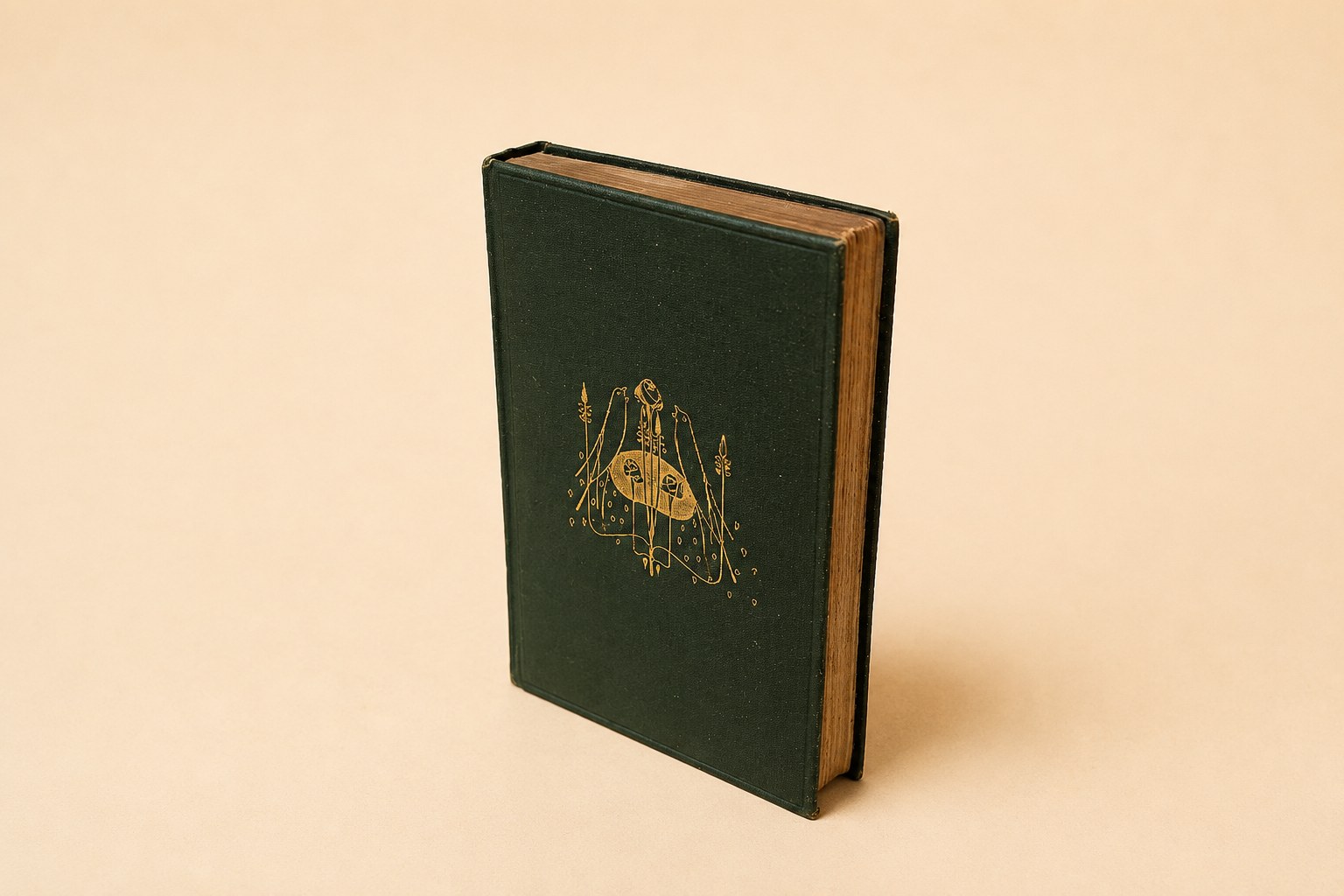
Poems by Lord Byron
Byron in Art Nouveau gilt, introduced by the critic who brought Symbolism to England, signed in pencil by Cecile Mary Davies two days before Valentine's Day, 1906. Price: one shilling and sixpence.
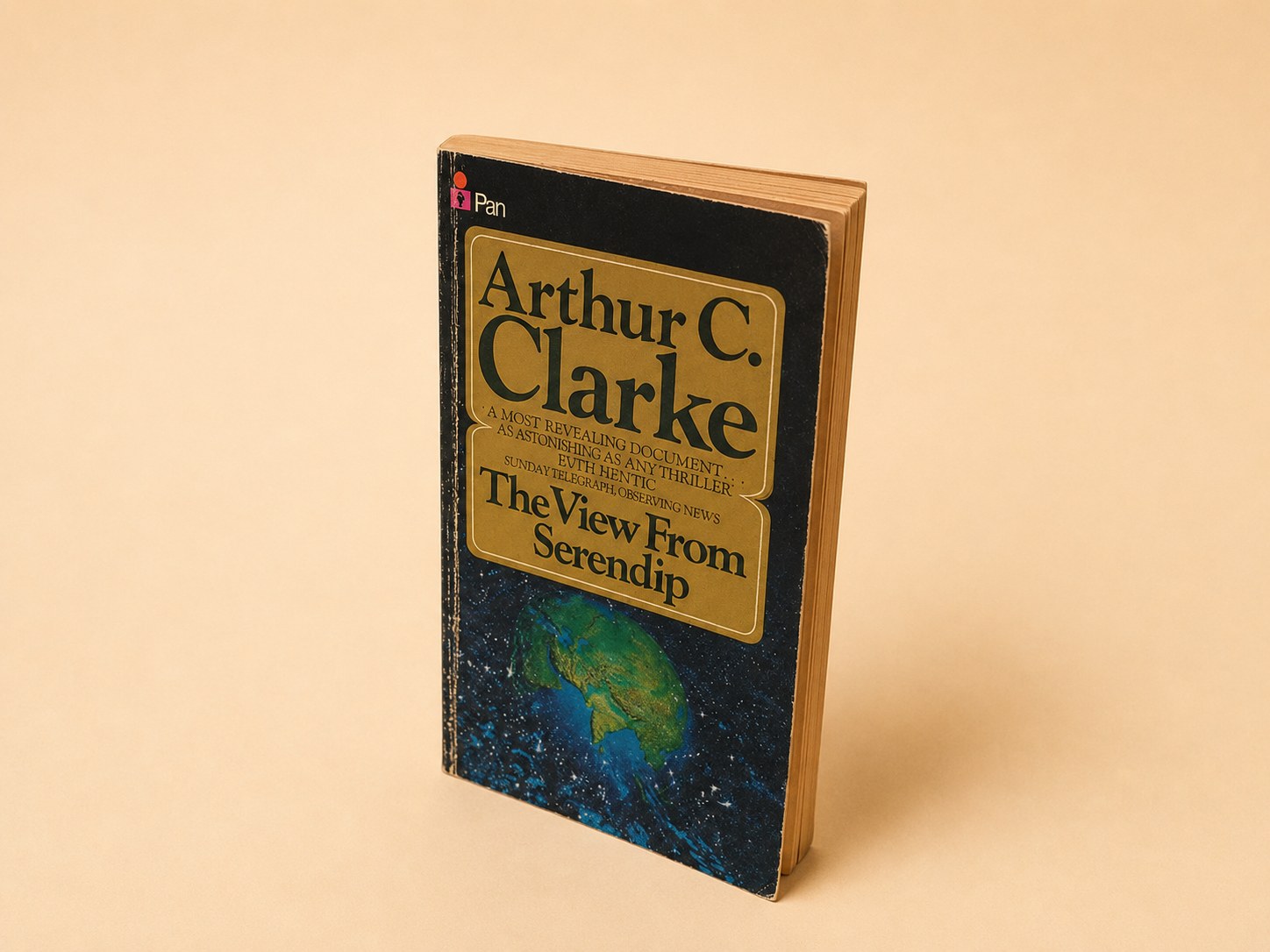
The View from Serendip
Clarke's Sri Lankan essays in the 1979 Pan paperback, inscribed by him at Colombo in 1980 to a 'Professor Shoenberg' — most likely the Cambridge physicist David Shoenberg.
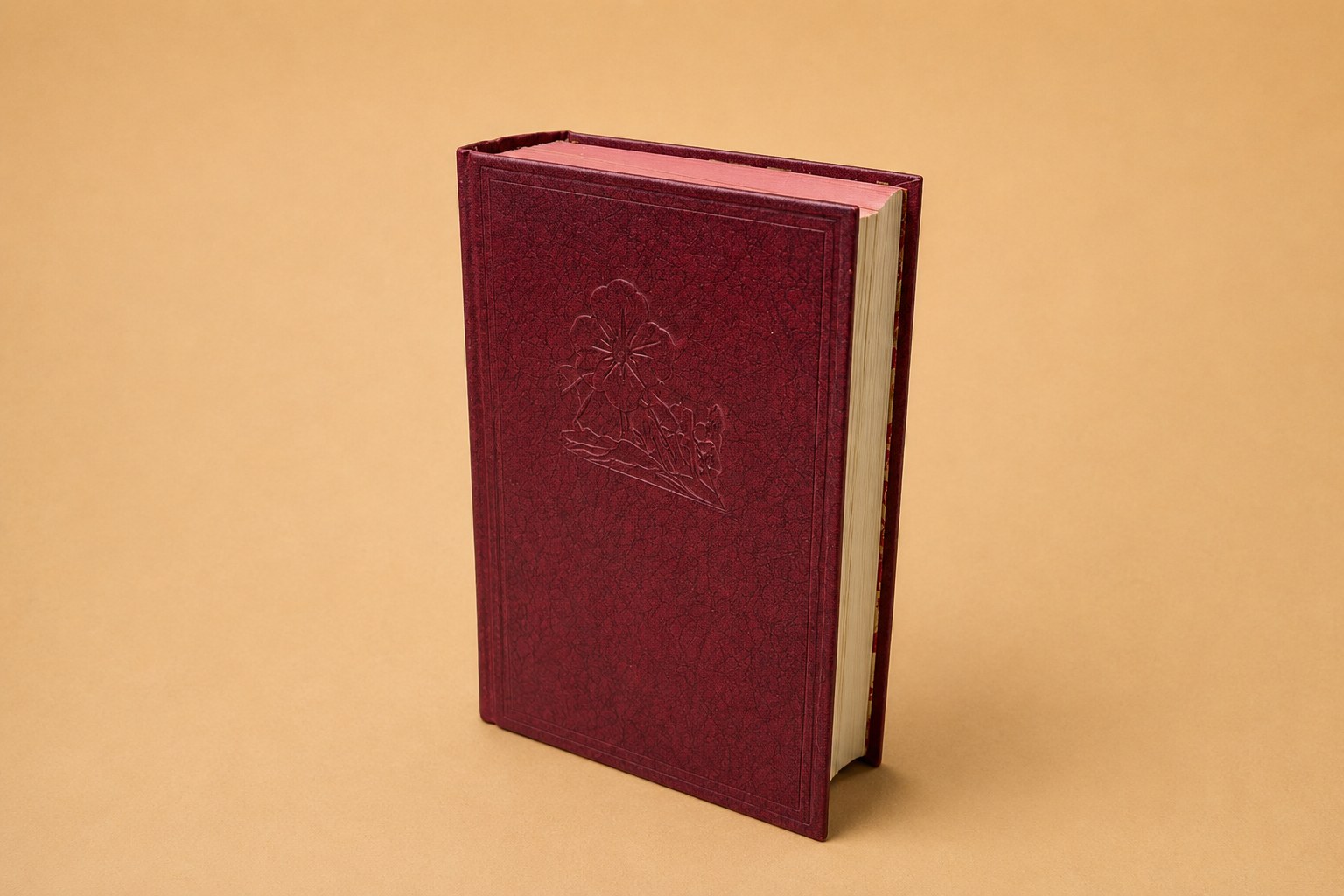
Fifty Amazing Stories of the Great War
One of Odhams' vast 1936 omnibus volumes: fifty first-hand stories of the First World War told largely by men who fought it, in flexible gilt-stamped covers.
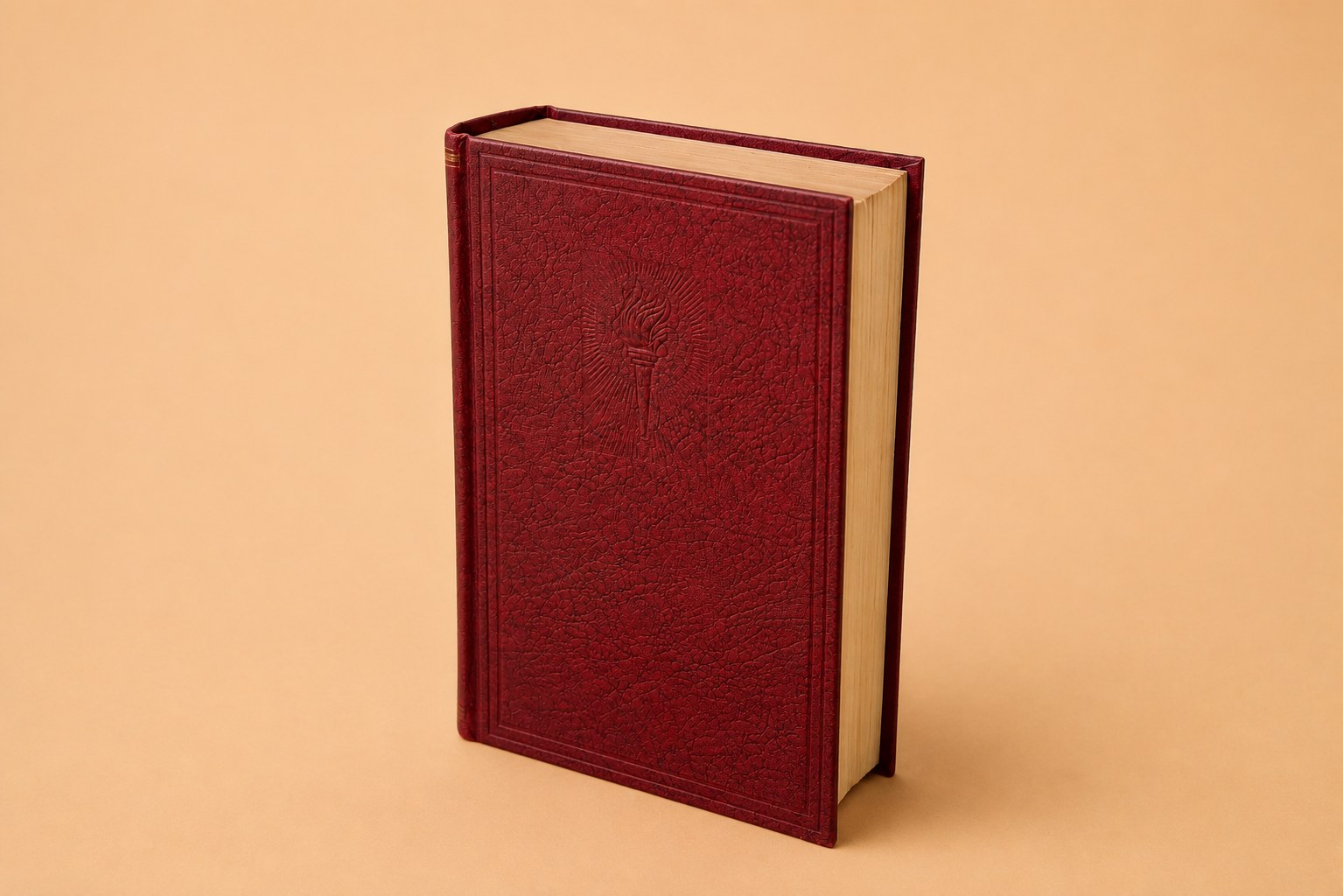
Fifty True Stories Stranger Than Fiction
A 1936 Odhams omnibus of fifty 'stranger than fiction' true tales, with contributors ranging from Winston Churchill and Rider Haggard to a Foreign Legion novelist.
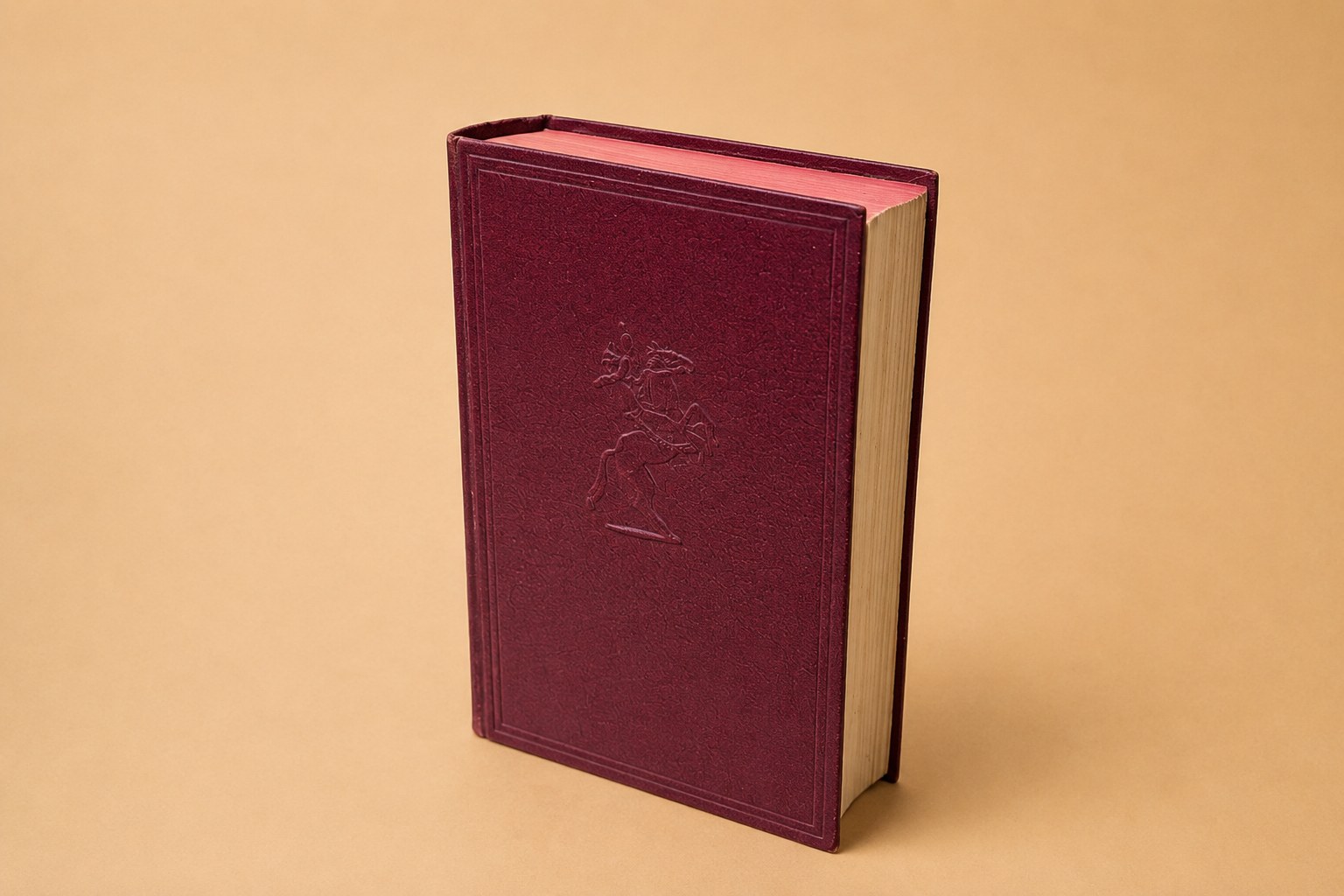
Fifty Thrilling Wild West Stories — Odhams Press (c.1938)
Fifty pulp Westerns bound as one fat Odhams omnibus (c.1938) — Max Brand, the creator of Hopalong Cassidy, the creator of Zorro, and even O. Henry between gilt covers.
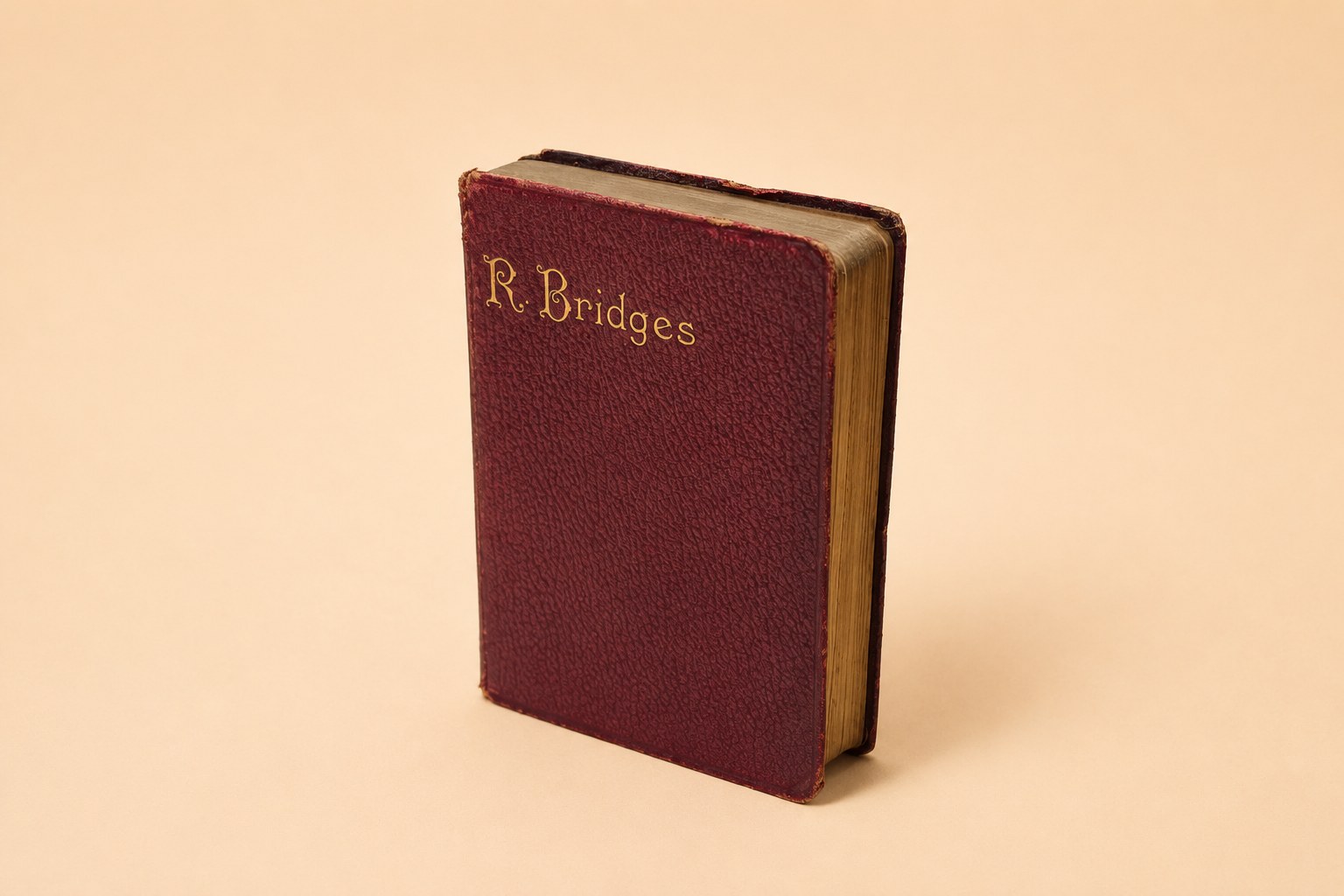
Poetical Works of Robert Bridges
The 1914 Oxford Edition of the Poet Laureate's verse, gift-inscribed 'To Dear Alice' at Christmas 1920, with two 1936 literary clippings — on Bridges, and on the Gielgud–Ashcroft 'Seagull' — laid inside.
The Canterbury Tales
Nevill Coghill's landmark modern-verse Canterbury Tales — Penguin Classics L22, the 1952 reprint of the 1951 translation that later became a West End musical — signed by an owner, 'Marion Sills'.
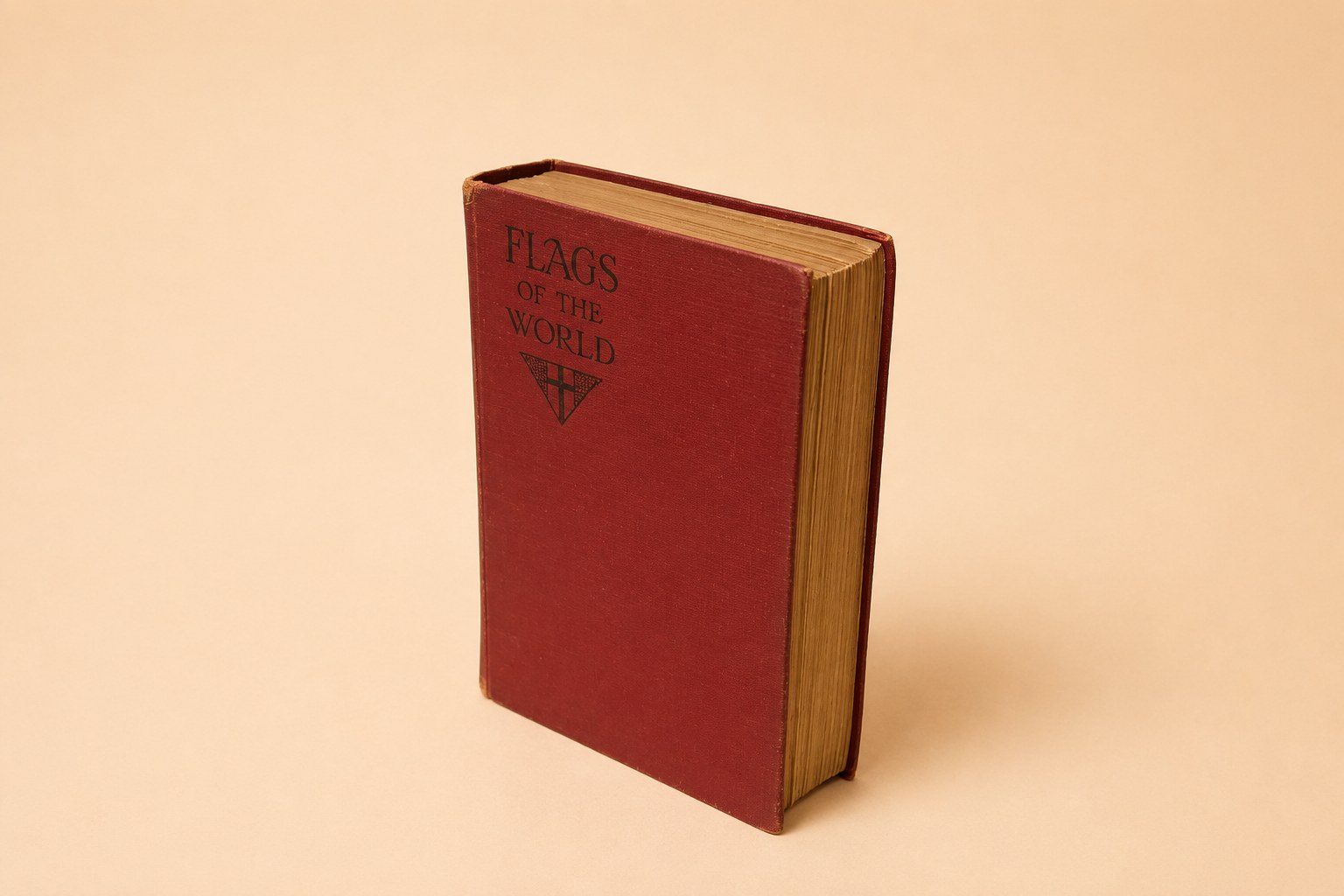
Flags of the World, Past and Present
Frederick Warne's richly illustrated flag book in its 1928 revised-supplement printing — the world's banners just after Versailles redrew the map — signed by an owner in 1929.
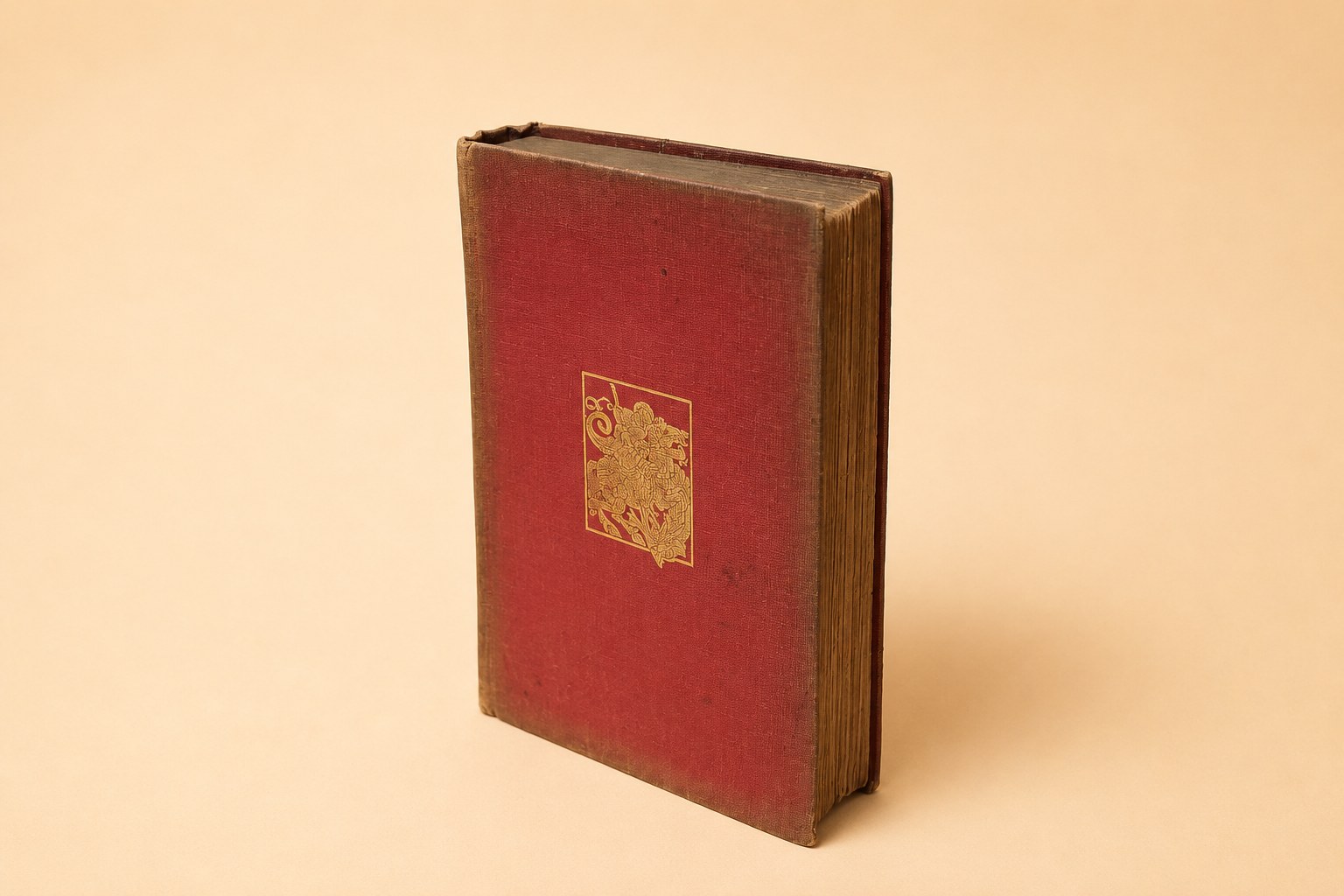
A Short History of England
G. K. Chesterton's contrarian 1917 first-edition history of England — a defence of the medieval common man against the Whigs — once owned by a 'Francesca Claremont', possibly the Tudor biographer.
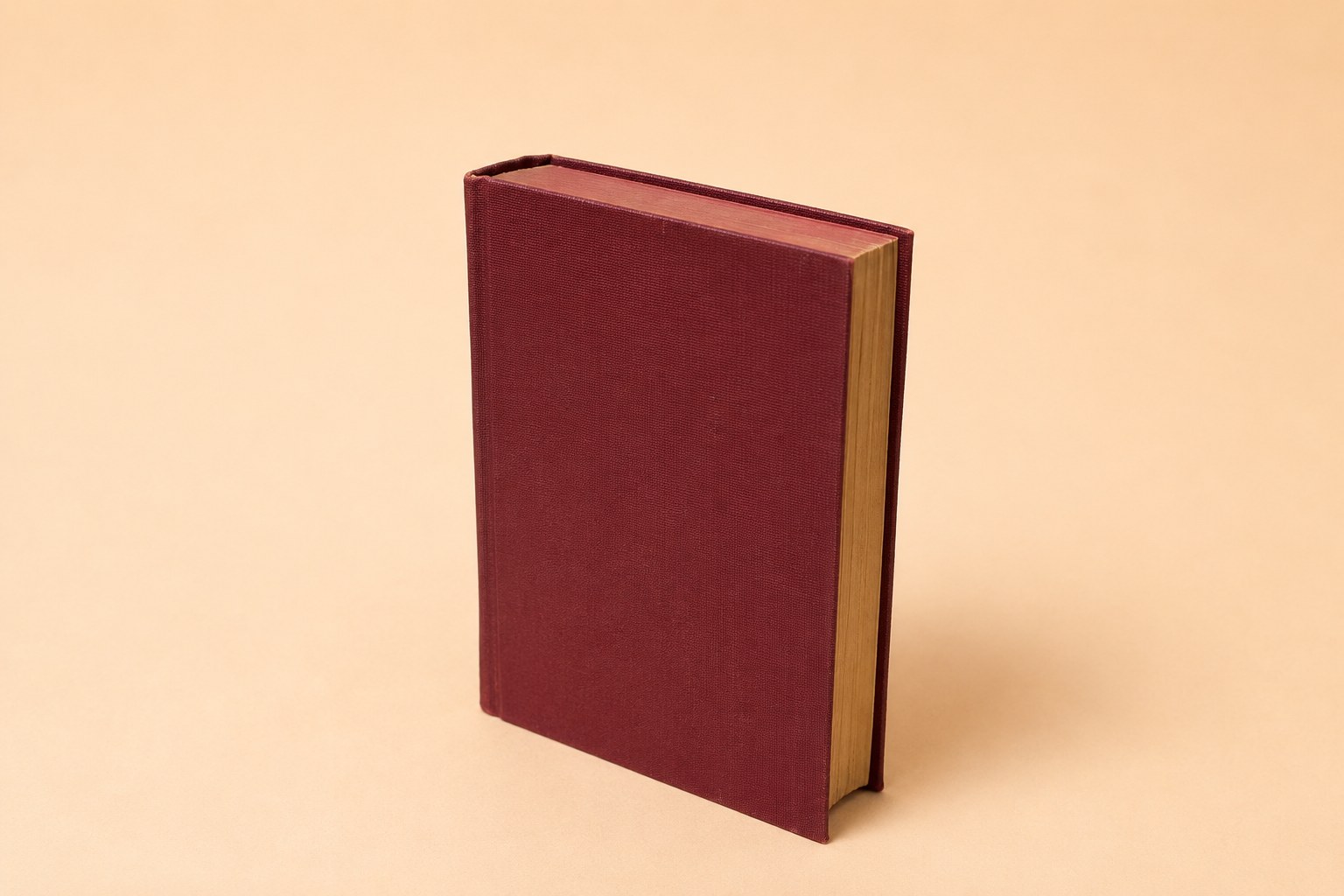
Abbeys, Castles and Ancient Halls of England & Wales: North & Wales
Volume III (North & Wales) of Timbs's Victorian gazetteer of castle-and-abbey legend, revised by Alexander Gunn — a Frederick Warne reprint, Caerphilly Castle as frontispiece.
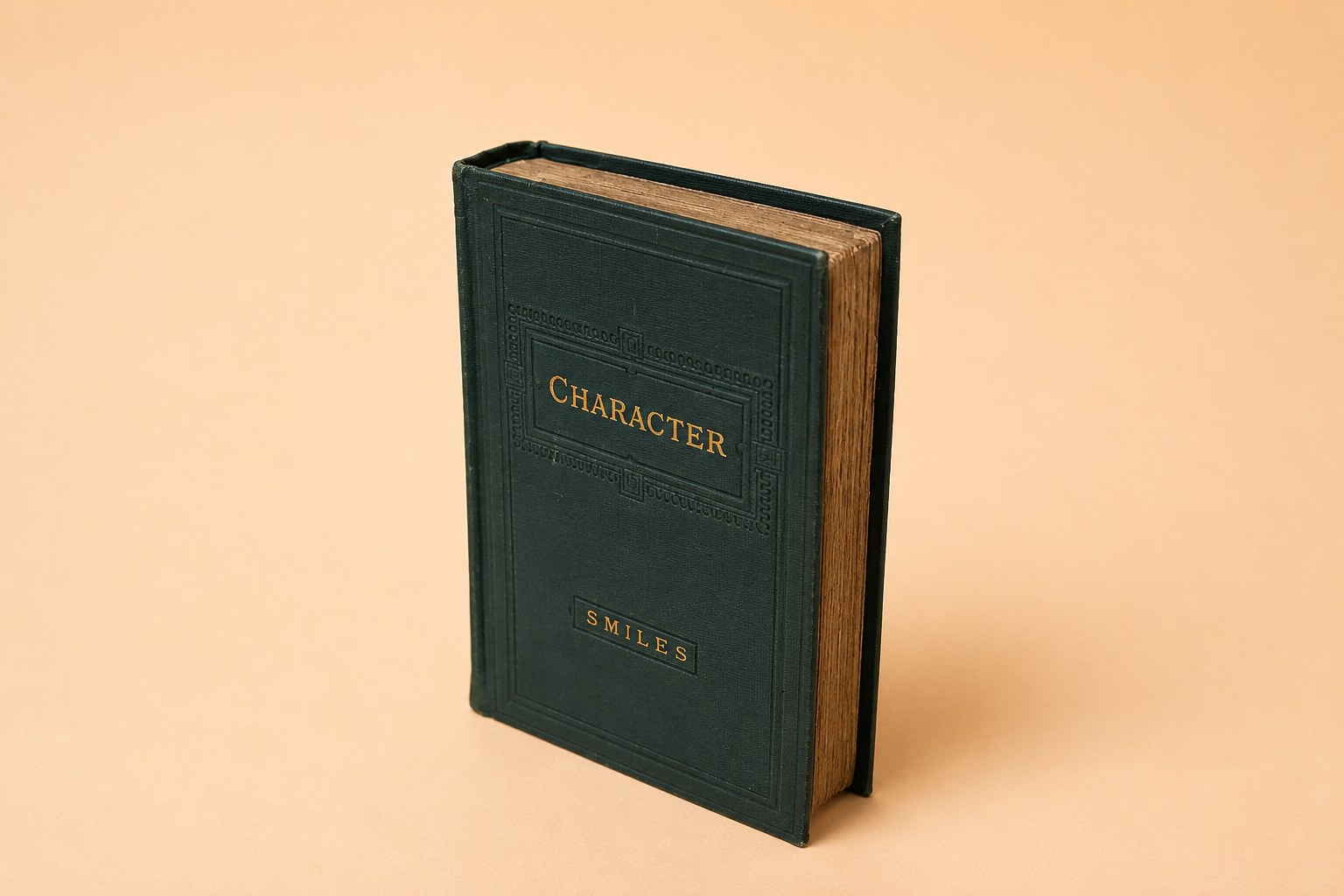
Character
Samuel Smiles's 'Character' (1874 New Edition, John Murray) — the sequel to 'Self-Help' and a cornerstone of the Victorian self-improvement gospel — with a woman's ownership signature.
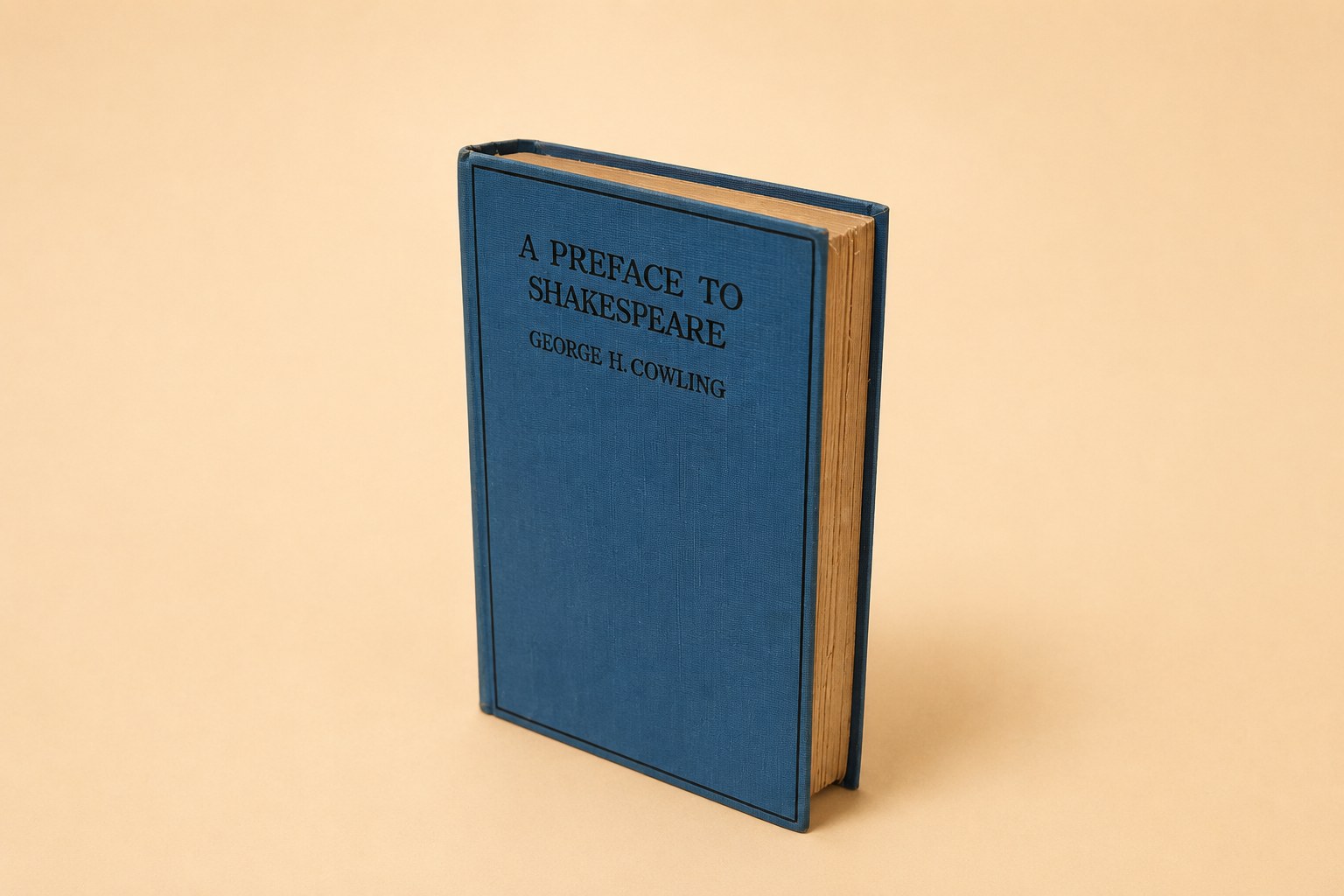
A Preface to Shakespeare
A 1925 first-edition Shakespeare primer by George H. Cowling — written at Leeds in the years he worked alongside Tolkien — bearing the bookplate of a 'James Craigie, M.A.'
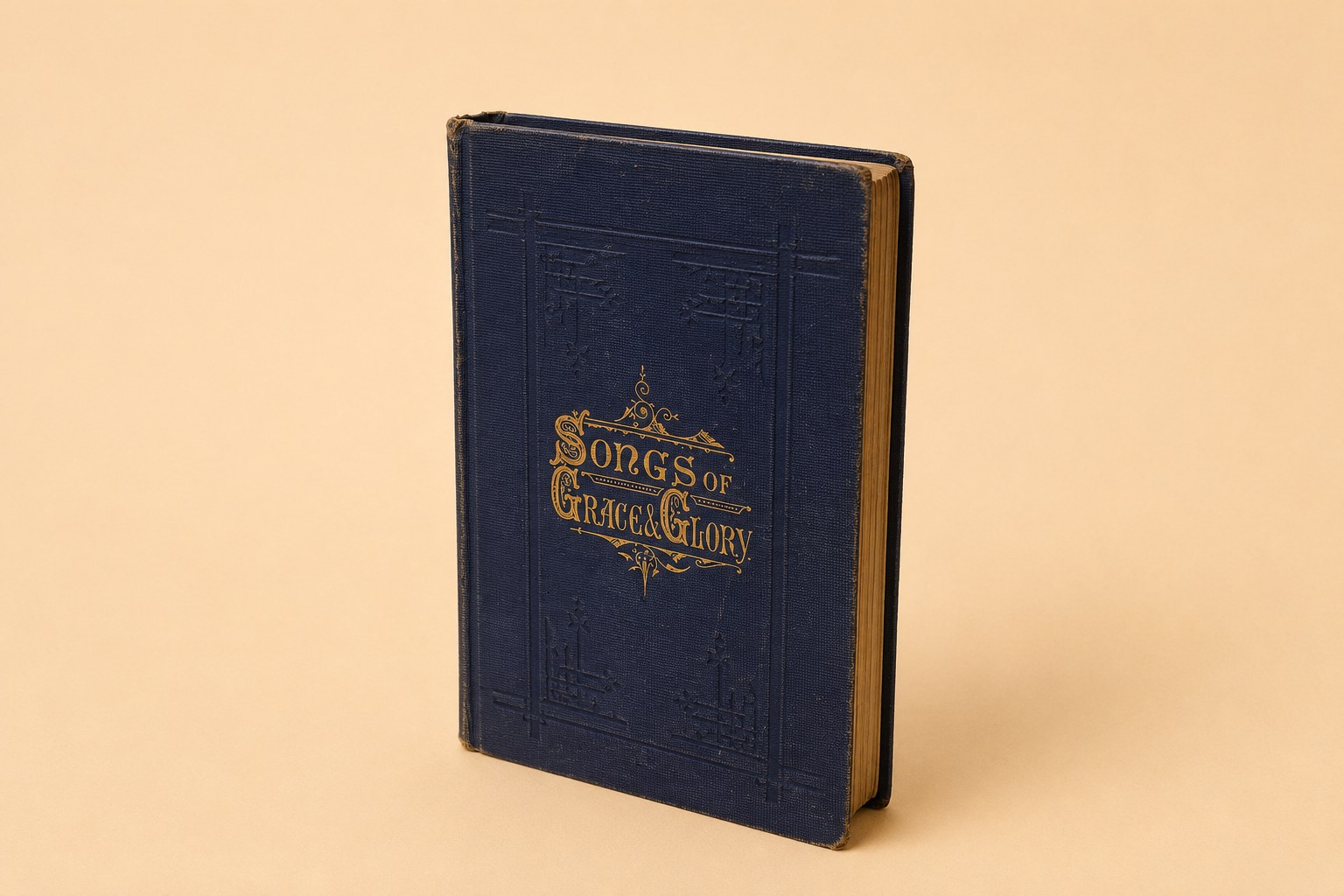
Songs of Grace and Glory
An 1872 Victorian evangelical hymnal of 1,025 hymns, edited by Charles Snepp with music by the famous hymnwriter Frances Ridley Havergal — signed 'Mary Hawes 1874'.
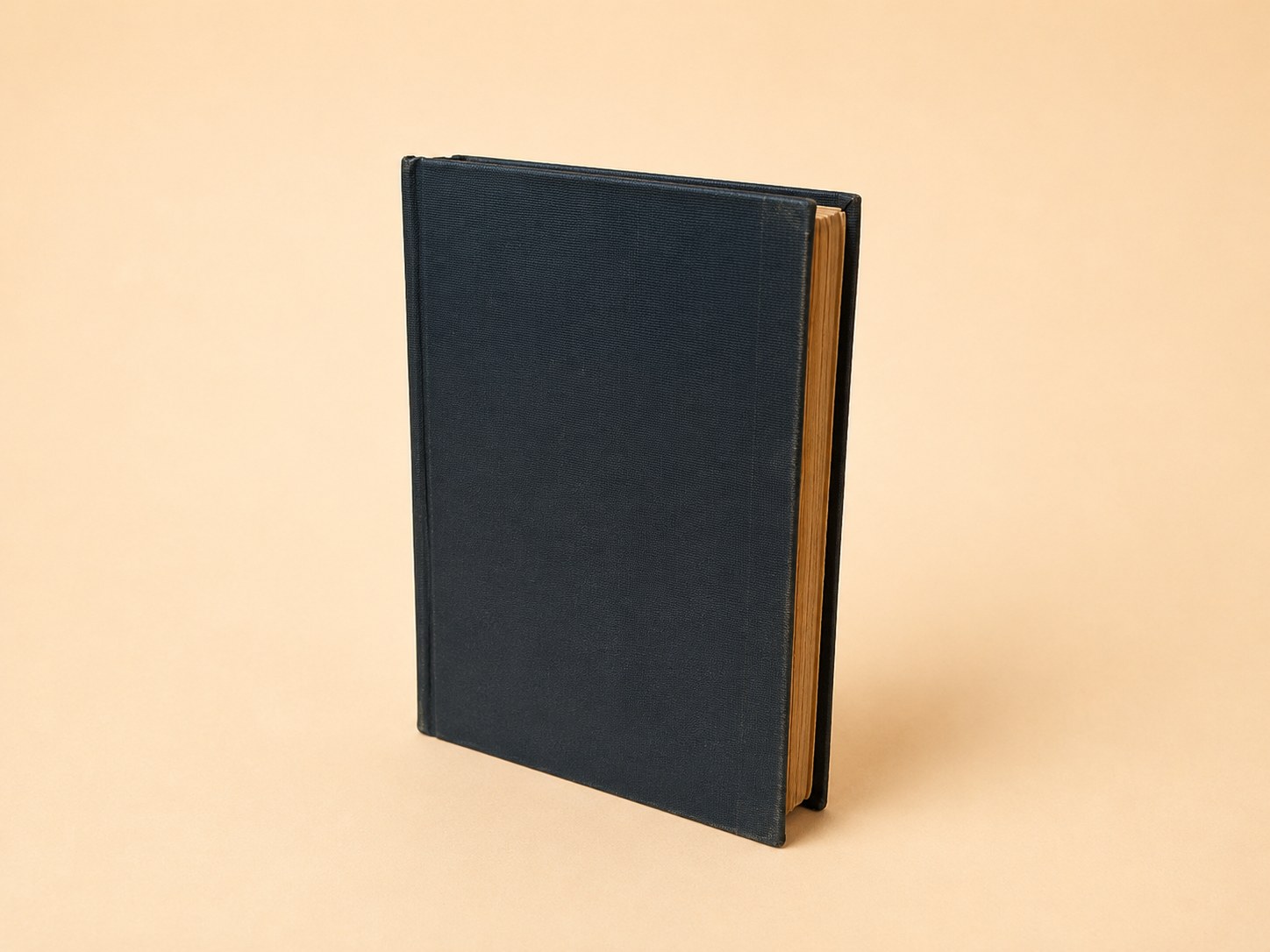
Song-Tide
An 1888 shilling selection of 'the Blind Poet' Philip Bourke Marston — friend of Rossetti and Swinburne — edited with a memoir by William Sharp, later the secret 'Fiona Macleod'.
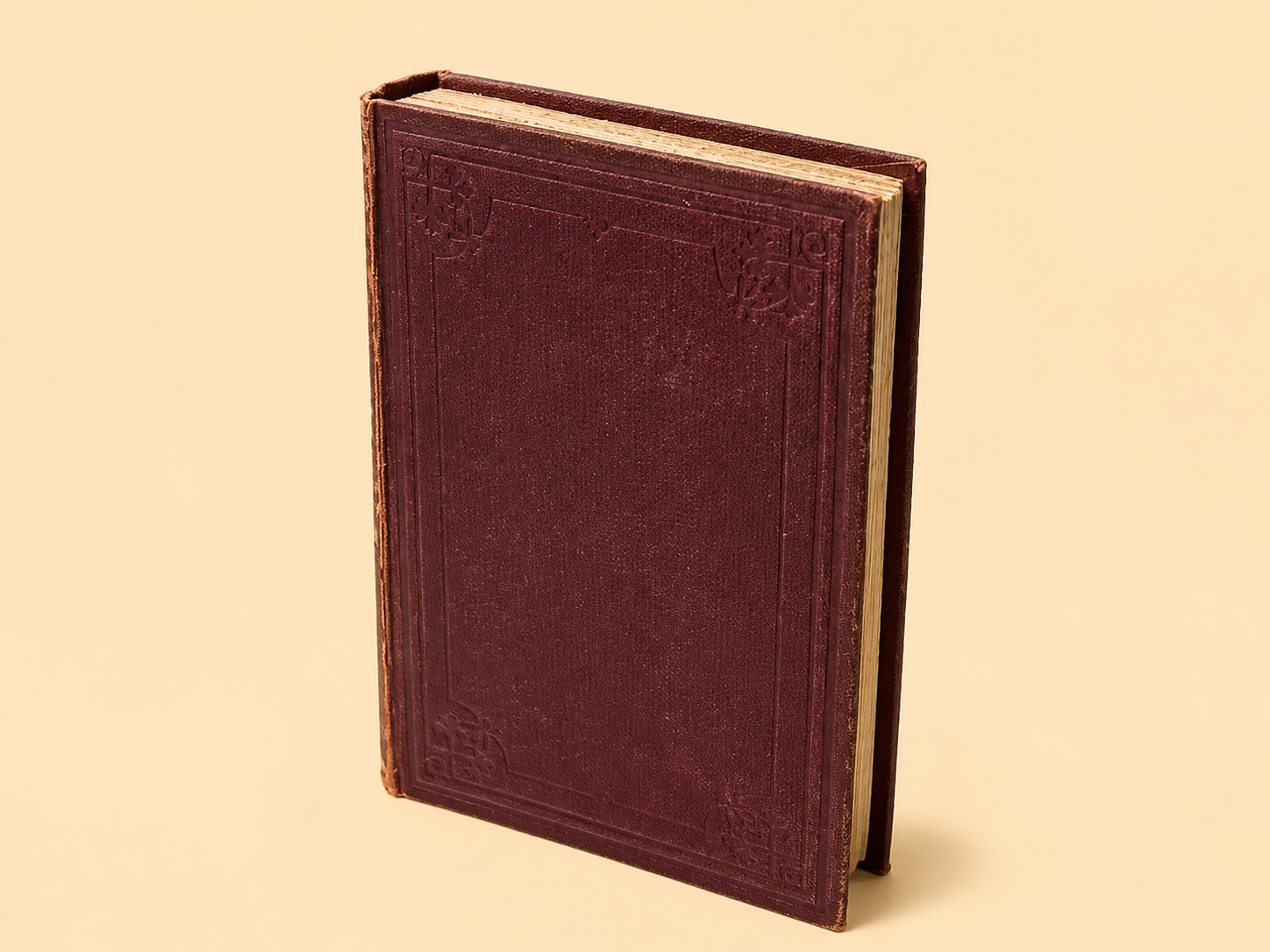
Lingard's History of England, Vol. I
Volume I of Lingard's Catholic history of England — Roman Britain to 1100, the span he knew best, centred on the conversion of the English.
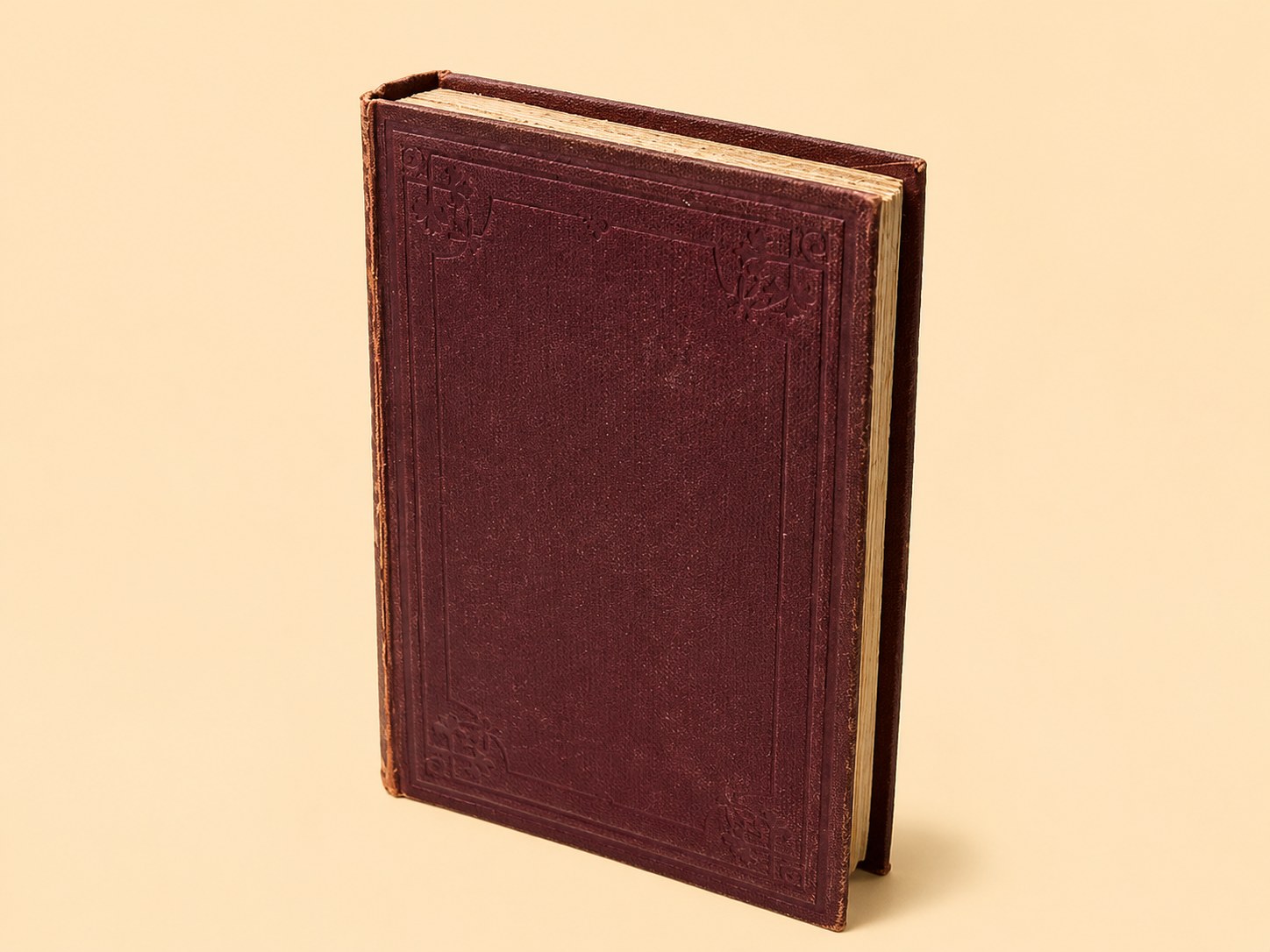
Lingard's History of England, Vol. II
Volume II of Lingard's history — Henry I to Edward I: Becket, Magna Carta and the first parliaments, told without the Whig gloss.
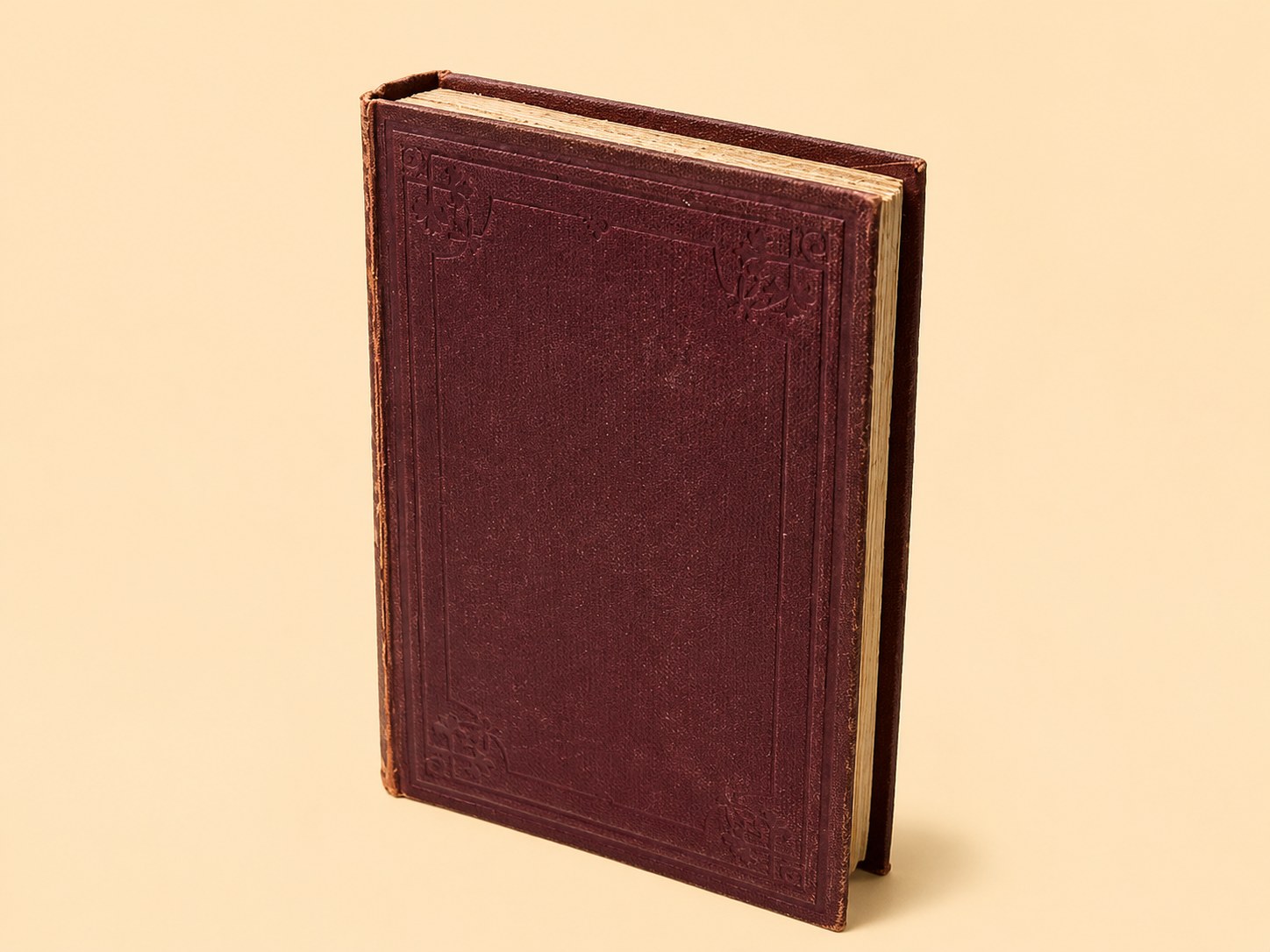
Lingard's History of England, Vol. III
Volume III of Lingard's history — the fourteenth century: Crécy, Agincourt, the Black Death, and the first fuse toward the Reformation in Wycliffe.
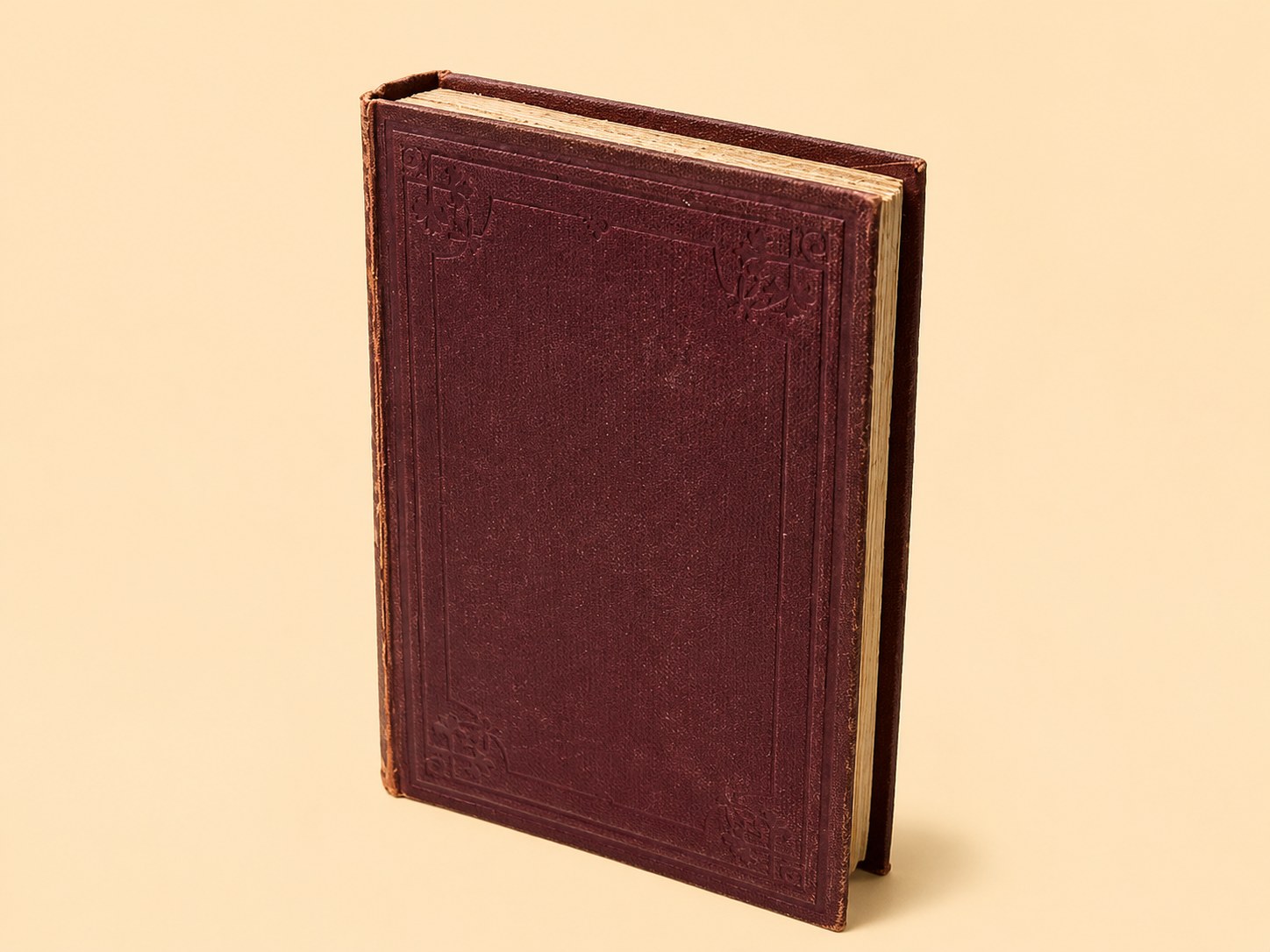
Lingard's History of England, Vol. IV
Volume IV of Lingard's history — Wars of the Roses to the eve of the break with Rome: the structural pivot of the whole work.
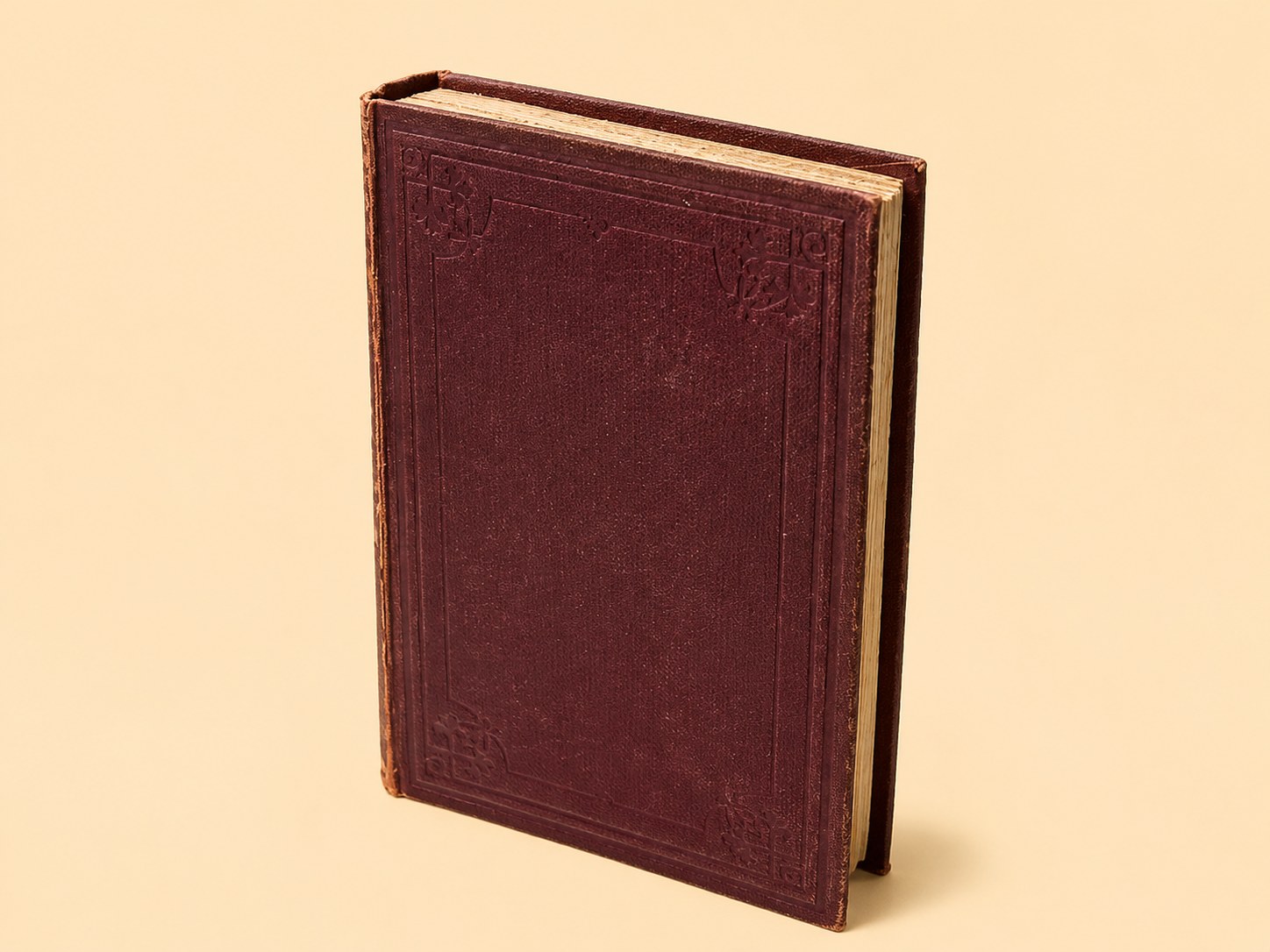
Lingard's History of England, Vol. V
Volume V of Lingard's history — the Reformation head-on: the break with Rome, the dissolution of the monasteries, and the see-saw of Henry, Edward and Mary.
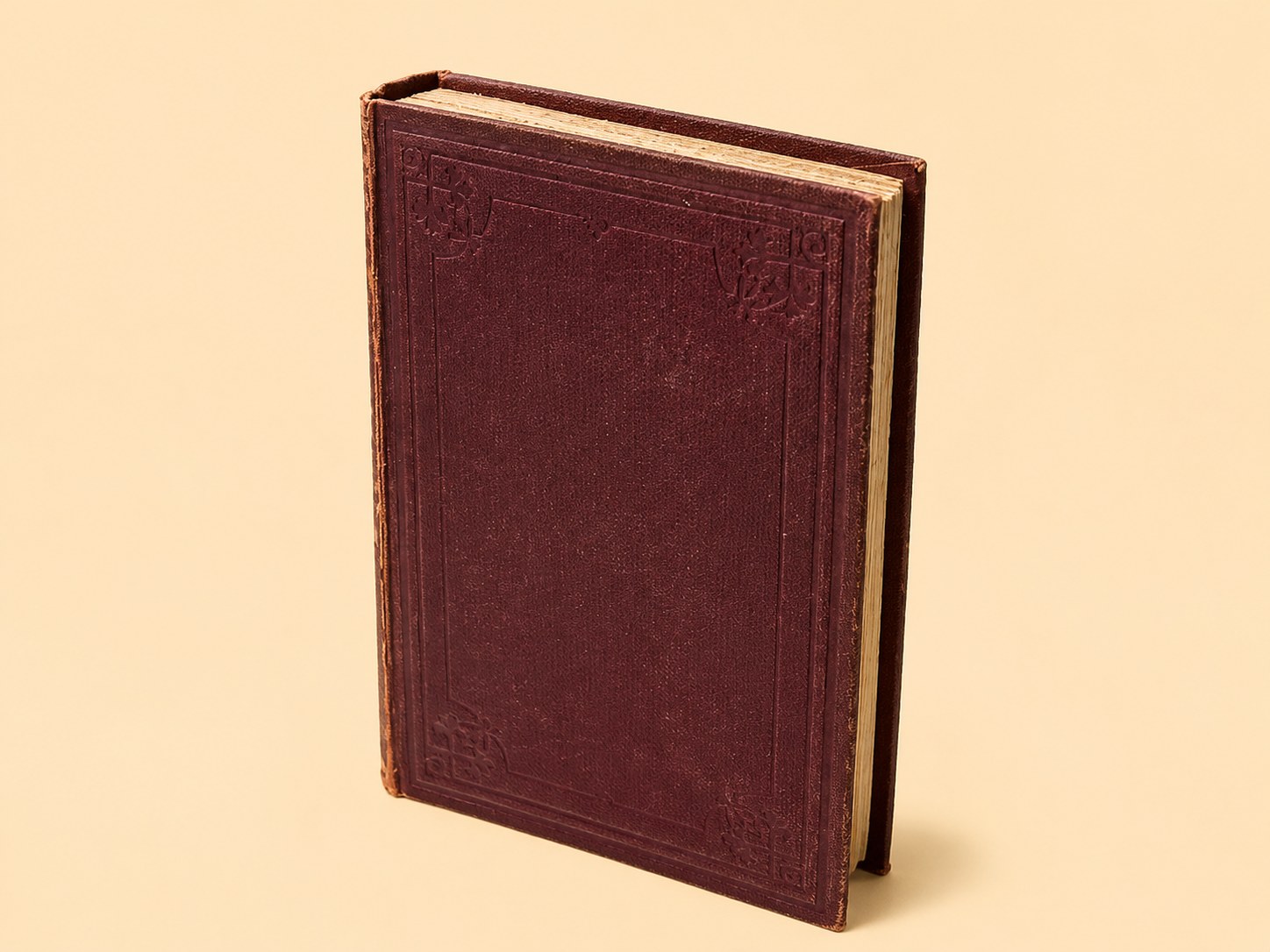
Lingard's History of England, Vol. VI
Volume VI of Lingard's history — 'Good Queen Bess' from the other side: Elizabeth's reign told from the standpoint of the Catholics it persecuted.
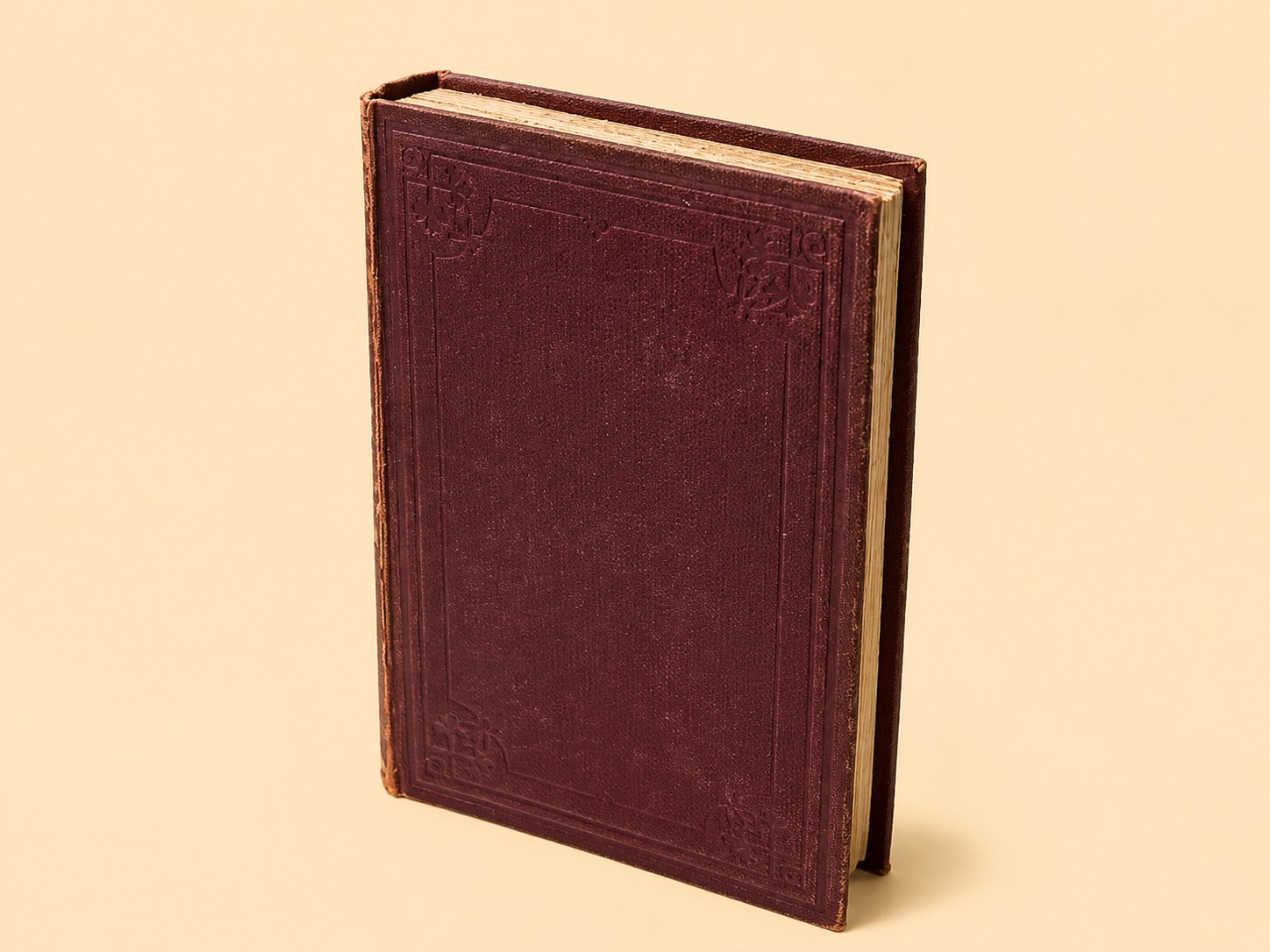
Lingard's History of England, Vol. VII
Volume VII of Lingard's history — the early Stuarts to the brink of civil war, including his measured verdict on the Gunpowder Plot.
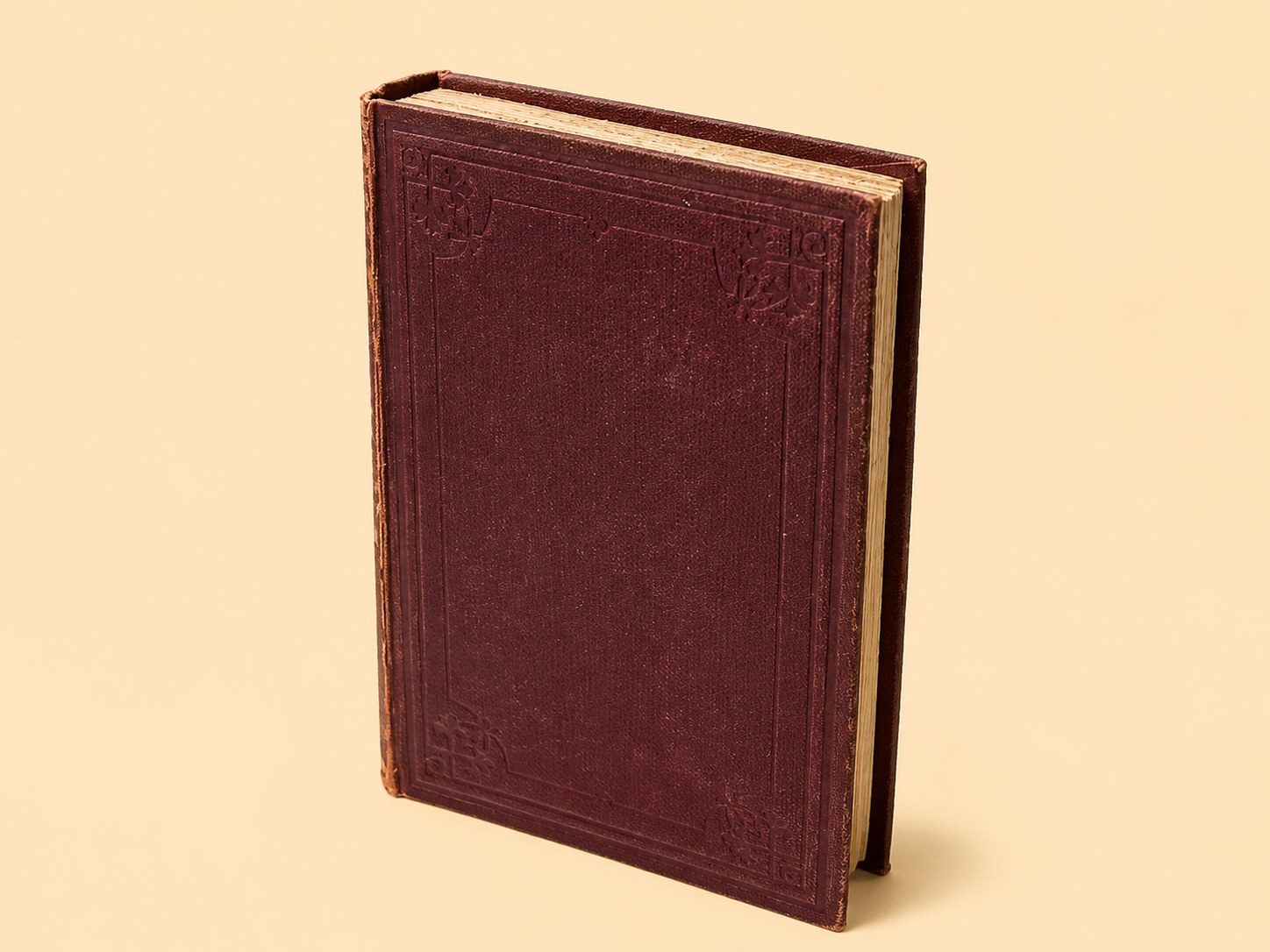
Lingard's History of England, Vol. VIII
Volume VIII of Lingard's history — the Civil War, the regicide and Cromwell's republic, narrated by a Catholic priest with conspicuous restraint.
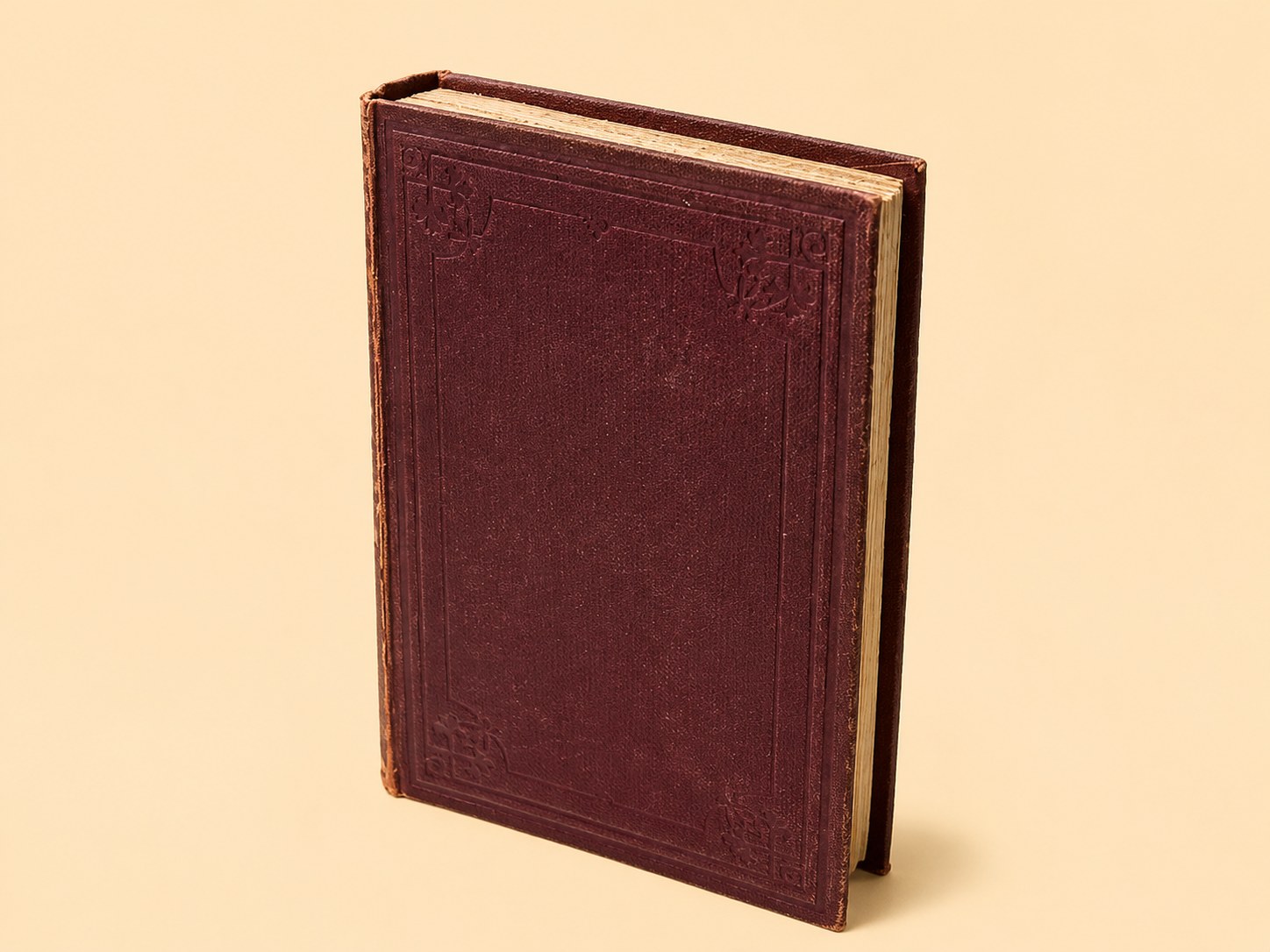
Lingard's History of England, Vol. X
Volume X, the last of Lingard's history — the fall of England's last Catholic king and the 1688 revolution the Whigs called Glorious.
French Pictures, Drawn with Pen and Pencil
A Victorian RTS gift-book of pen-and-pencil views of France by Samuel G. Green — this copy layered with a French family's marks: 'Marcelle Dubois, Kent', a gift from 'Mamoyke', and a child's hand-drawn title page.
Italian Pictures, Drawn with Pen and Pencil
The companion to the collection's French Pictures — an RTS 'Pen and Pencil' gift-book of wood-engraved Italy (Rome, Pompeii, Florence, Venice), begun by Samuel Manning and revised by S. G. Green; pencil owner's initials 'DH'.
The Immortal Gilbert & Sullivan Operas, Vol. 3
Volume 3 of the News Chronicle's 1930s illustrated Gilbert & Sullivan part-work — the 'odd volume' pairing Trial by Jury and the flop Grand Duke with Patience and Ruddigore — endorsed by the last great D'Oyly Carte comedian, Sir Henry Lytton.
A Popular History of the Great War, Vol. IV
Volume IV (1917) of Sir J. A. Hammerton's mass-market 1933 Great War history from the Amalgamated Press — the year of Passchendaele, Vimy, Caporetto, the American entry and the Russian Revolution.
A Popular History of the Great War, Vol. III
Volume III (1916) of Sir J. A. Hammerton's mass-market 1933 Great War history from the Amalgamated Press — the year of Verdun, the Somme, Jutland, the Easter Rising and the coming of the tank.
A Popular History of the Great War, Vol. I
Volume I (1914) of Sir J. A. Hammerton's mass-market 1933 Great War history — the opening year: the outbreak, the invasion of Belgium, Mons, the Marne, Tannenberg and First Ypres.
A Popular History of the Great War, Vol. II
Volume II (1915) of Sir J. A. Hammerton's mass-market 1933 Great War history — the year the war spread: Gallipoli, Second Ypres and first gas, the Lusitania, Loos and the U-boat.